The management plan for the Seogye-dong 116 Moatown area passed a Seoul Metropolitan Government integrated review with amendments, paving the way for a floor-area ratio of up to 470 percent, a maximum height of 35 stories and 438 units under a quasi-residential zoning upgrade.
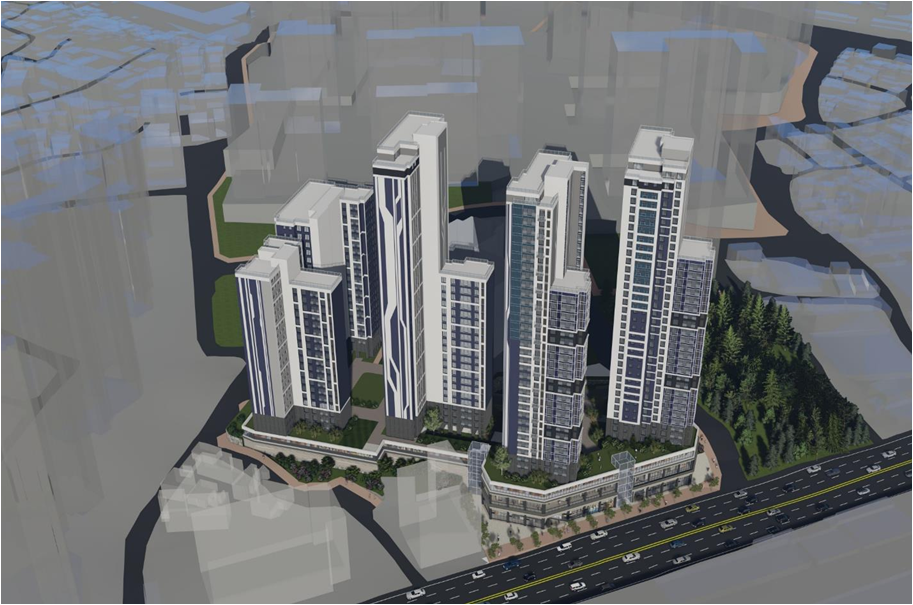
Yongsan-gu said the management plan for the Moatown project in the Seogye-dong 116 area was approved with amendments at the 11th Small-Scale Housing Improvement Integrated Review Subcommittee, held by the Seoul Metropolitan Government on Oct. 8.
The plan marks the first instance in any Seoul autonomous district where a Moatown project applies special provisions under the small-scale housing improvement program to rezone land to quasi-residential status. A quasi-residential zone accommodates commercial and business functions alongside its primary residential use. The approval lays the groundwork for upgrading the aging housing stock in the Seogye-dong area and expanding housing supply.
The Moatown scheme consolidates small-scale housing improvement projects in aging low-rise residential neighborhoods and upgrades shared infrastructure such as roads. The Seogye-dong 116 area sits close to Seoul Station and enjoys strong transit access, but 84.6 percent of its buildings are classified as deteriorated and the neighborhood is densely packed with multi-family and multi-unit housing, making residential improvement a priority.
Under the management plan, the site will accommodate an apartment complex with a floor-area ratio of up to 470 percent and a maximum height of 35 stories. The number of units is set to grow from the current 213 to 438, including 111 rental units. Yongsan-gu expects the project to contribute to expanding housing supply in central Seoul.
Alongside the residential complex, the plan calls for improvements to pedestrian and streetscape environments and the provision of shared community facilities. Coordinated architectural planning with neighboring projects — including the Seogye Integrated Rapid Redevelopment Zone and the Seoul Station transit-oriented urban renewal redevelopment zone — will drive broader residential improvements across the western Seoul Station area.
Yongsan-gu has maintained ongoing communication with the project association and worked closely with the Seoul Metropolitan Government to support the preparation of the management plan and the review process. The district said it will continue providing administrative support to ensure that subsequent steps — including a public re-notification reflecting the review outcome and the formal decision and announcement of the management plan — proceed without delay.
Yongsan-gu District Mayor Kim Kyung-dae said the approval "is an important step toward improving the residential environment in Seogye-dong and expanding housing supply in the city center." He added that the district would "carefully listen to residents' opinions, work closely with the Seoul Metropolitan Government and the association to carry out follow-up procedures without a hitch, and create a comfortable living environment through unstoppable Yongsan development."
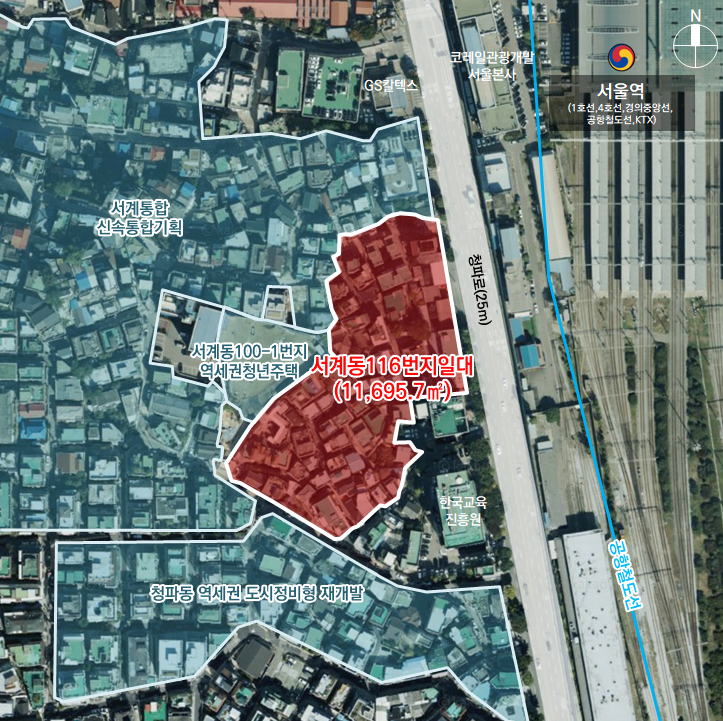
※ The floor-area ratio, maximum number of stories and unit count are based on the management plan approved with amendments at the integrated review and are subject to change during the subsequent public re-notification, formal plan decision and announcement, and project implementation process.
seouldream01@heraldcorp.com