Partnerships announced at GTC Berlin
Samsung Electro-Mechanics to build dedicated lines at Sejong, Busan plants
To supply substrates for compute chipsets and networking
LG Innotek unveils sensing solutions using HSB technology
Joint development of humanoid robot hand and vision sensors
Nvidia accelerates AI ecosystem expansion with Korean firms
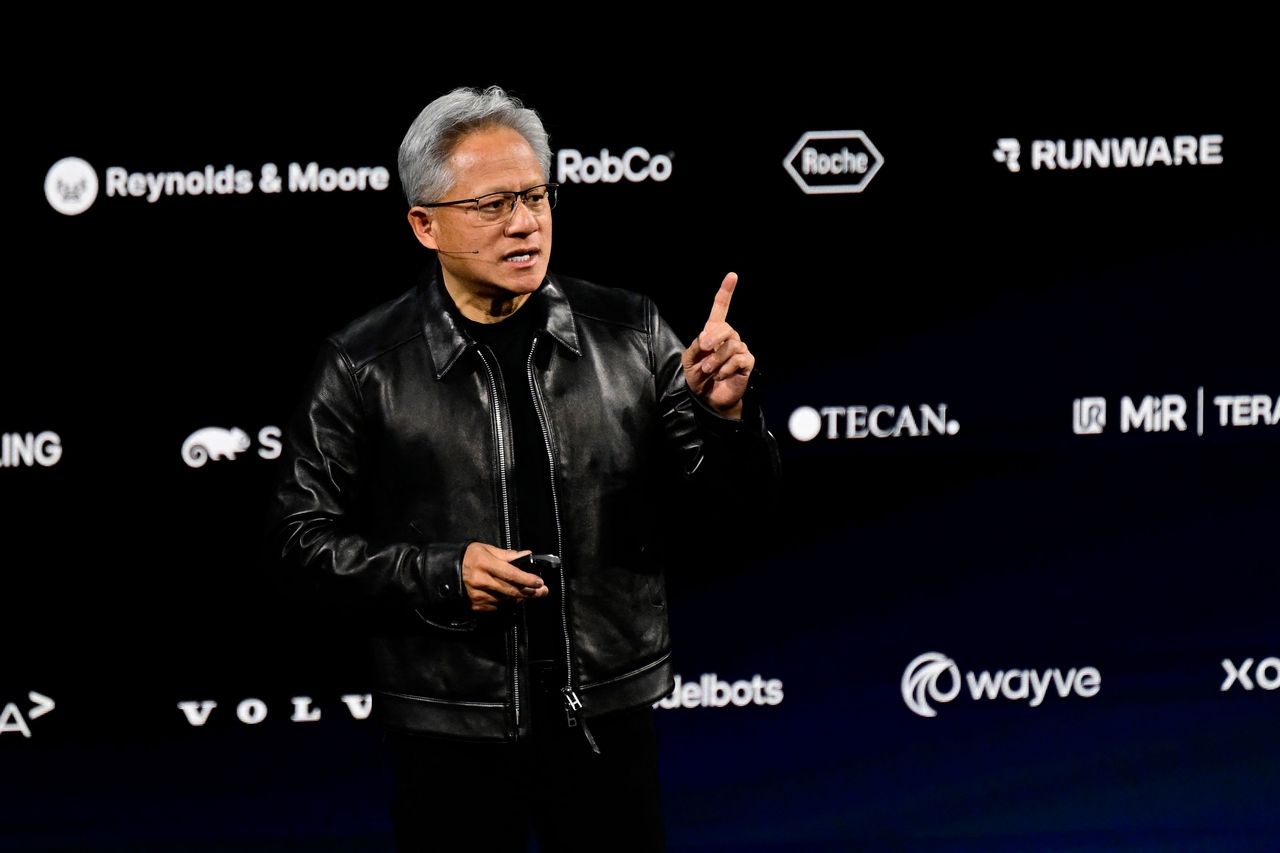
Nvidia is stepping up cooperation with South Korean companies as it works to expand its AI ecosystem, teaming up with Samsung Electro-Mechanics to boost production capacity and secure a stable supply of semiconductor package substrates — a component currently in short supply.
The chipmaker is also partnering with LG Innotek to jointly develop sensing solutions for humanoid robots, including vision sensing and robotic hands, as it pushes to accelerate the era of physical AI. The partnerships are expected to strengthen the growth prospects of both Korean companies, whose technological capabilities have now received recognition from one of the world's leading chipmakers.
Nvidia announced the partnerships with Samsung Electro-Mechanics and LG Innotek at GTC Berlin, which opened in the German capital on Tuesday (local time).
Nvidia signed a strategic business partnership with Samsung Electro-Mechanics on Wednesday to expand next-generation AI infrastructure, agreeing to establish dedicated semiconductor package substrate production lines at Samsung Electro-Mechanics' plants in Sejong and Busan. The two companies will jointly invest in the new process capacity expansion.
Under the partnership, Samsung Electro-Mechanics will supply Nvidia with AI semiconductor package substrates on a multi-year basis starting this year, providing substrates for compute chipsets as well as network switch package substrates that handle ultra-high-speed chip-to-chip connections inside data centers.
Nvidia's share of Samsung Electro-Mechanics' substrate revenue is expected to grow as dedicated factory investment proceeds. Shipment volumes to Nvidia from the package substrate business are projected to grow at a double-digit annual rate or more starting this year. By 2028, Nvidia is expected to account for a significant portion of Samsung Electro-Mechanics' total package substrate production capacity.
The partnership was driven by Nvidia's need to secure a stable supply of semiconductor substrates. The company plans to expand its substrate production capacity to 2.5 times the current level over the next three years, broadening its global supply chain in anticipation of rising demand for AI factories. Samsung Electro-Mechanics has been chosen as a key partner in that effort.
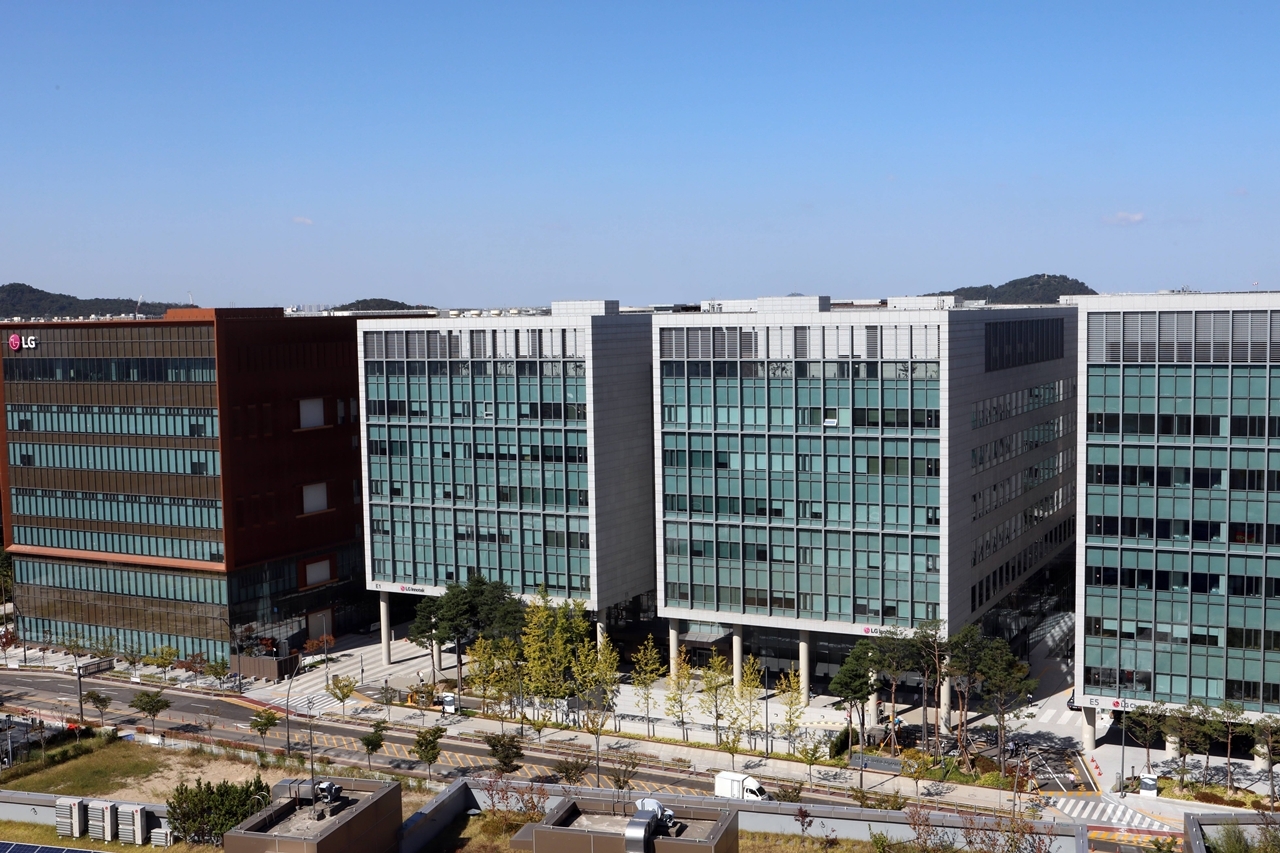
At GTC Berlin, LG Innotek unveiled a lineup of sensing solutions incorporating Nvidia's latest HSB (Holoscan Sensor Bridge) technology, including a megapixel camera module and a multimodal vision system that combines multiple cameras and sensors.
HSB is Nvidia's proprietary technology for transmitting data collected by sensors. It allows sensor data to be sent directly to an AI computer without passing through a CPU, enabling faster information processing. The industry regards HSB as a core technology set to drive the physical AI ecosystem going forward.
The two companies plan to expand collaboration in physical AI sensing solutions based on HSB technology, covering vision sensing for humanoid robots and robotic hands. They intend to develop sensing solutions compatible with Nvidia's next-generation platform and plan to unveil them at CES and GTC next year.
The partnerships are seen as further validation of the technological capabilities of Samsung Electro-Mechanics and LG Innotek, two of South Korea's leading electronic components makers.
Samsung Electro-Mechanics is set to solidify its position in the global market by scaling up its high-value AI semiconductor package substrate business, which carries high technological barriers to entry. Nvidia has recognized the company for its advanced packaging process technology.
As substrate area expands and layer counts increase, achieving ultra-fine circuit patterns that prevent signal loss and maintaining flatness that suppresses warpage caused by thermal deformation become critical to securing yield. Samsung Electro-Mechanics said it applies its most advanced process technology to the substrates it supplies to Nvidia.
LG Innotek, meanwhile, has demonstrated its optical design expertise built up across mobile, autonomous driving and robotics, as well as its compound sensing capabilities spanning cameras, LiDAR and radar.
The partnership is also expected to help LG Innotek expand its foothold in the physical AI market. The company aims to broaden its reach among global physical AI companies that use Nvidia's platform, increasing opportunities to supply camera and sensing solutions incorporating HSB technology.
jeongwan@heraldcorp.com