A forum Thursday brings together 15 Assembly members from innovation city districts and local government heads to chart the path forward for relocating more than 350 public institutions out of the greater Seoul area
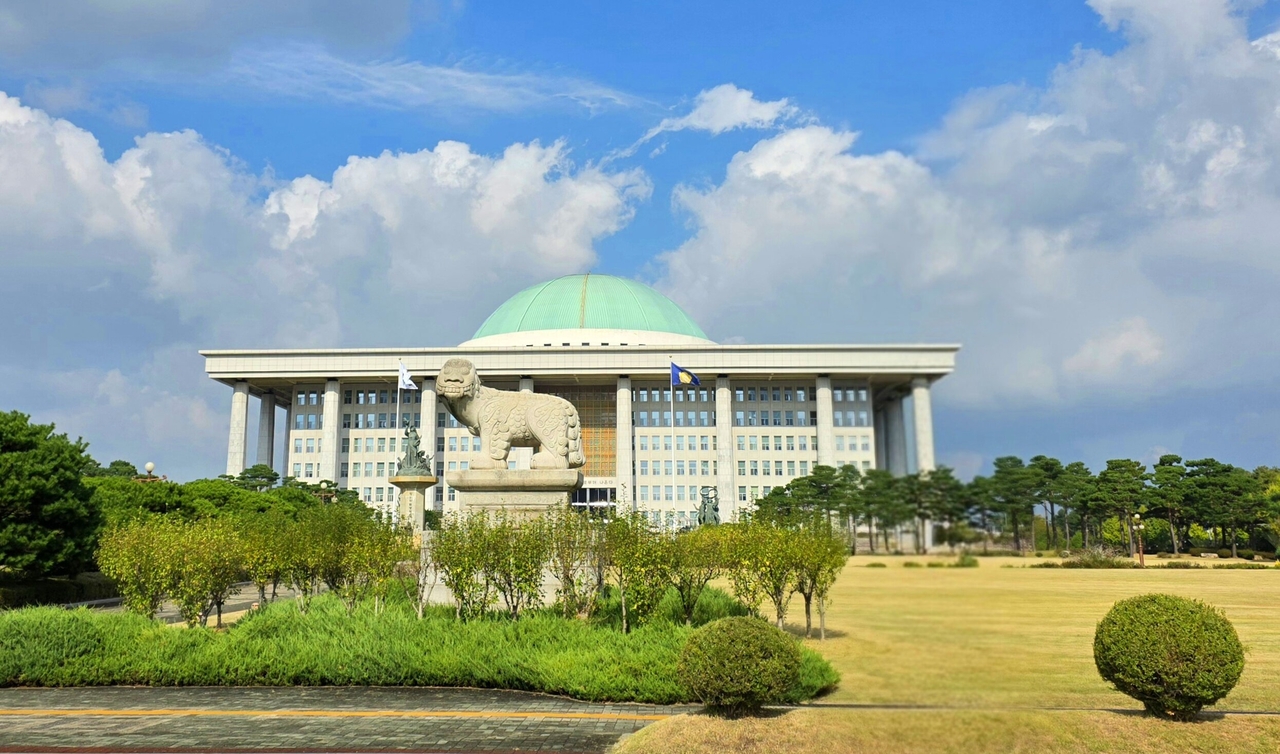
A National Assembly forum on the second round of public institution relocations and the development of innovation cities opened Thursday morning at Room 1 of the second-floor small conference hall in the National Assembly Members' Office Building, running about three hours from 9:30 a.m. The event was hosted by 15 Assembly members representing constituencies that include Jeonju, Wonju, Jinju and Naju, and organized by the National Innovation City (District) Council and the Innovation City Policy Research Institute.
With the government's second-round relocation plan expected to be announced within a few weeks, the forum is expected to produce substantive debate on how innovation cities can prepare and what changes may follow once institutions begin to move.
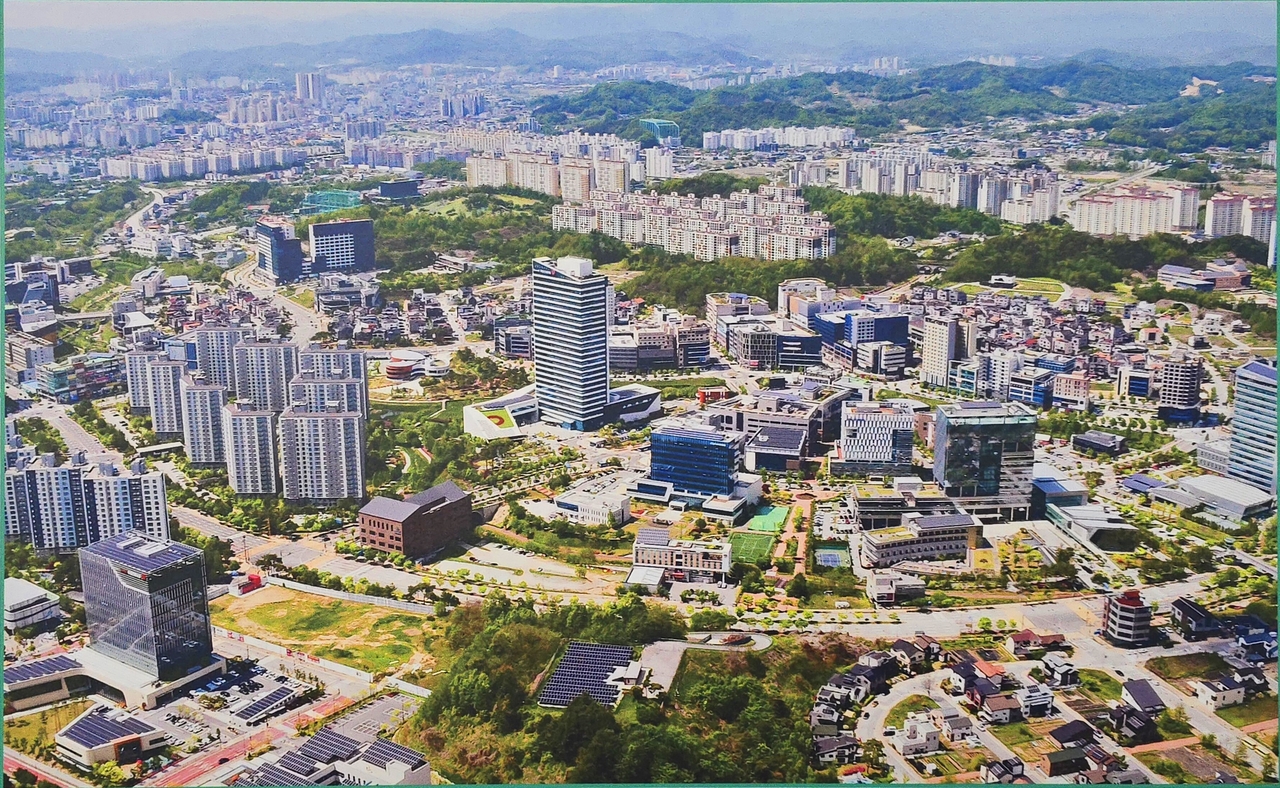
The government has already established a principle of concentrating public institutions in existing innovation cities — rather than dispersing them across regions — as a way to cut costs, help employees adapt more smoothly, and improve the efficiency of central and local government operations.
Because the cities represented at the forum are ones where public institutions could begin operations with relatively little preparation, organizers expect the discussions to be particularly forward-looking and detailed.
Earlier, Prime Minister Han Seong-sook announced at a press conference at Government Complex Seoul on Sept. 3 that the government would push ahead swiftly with relocating public institutions to the regions. She said the government would announce a relocation plan in the fourth quarter of this year covering more than 350 public institutions in the greater Seoul area, with the aim of minimizing the number that remain, and would begin the actual moves next year.
The government plans to move away from distributing institutions evenly across regions and instead cluster related agencies around innovation cities to build regional growth engines.
"We will avoid a piecemeal, share-the-spoils approach and instead gather the energy of regional growth like a bonfire, maximizing the strength of regional hubs," Han said.
Key participants leading the forum include Assembly members Shin Jeong-hun (Naju-Hwasun, Climate and Environment Committee, Democratic Party of Korea), Kang Dae-sik (Daegu Dong-gu and Gunwi-gun District B, Land and Transportation Committee), Choi Eun-seok (Daegu Dong-gu and Gunwi-gun District A, Political Affairs Committee), Song Eon-seog (Gimcheon, Budget and Accounts Committee and Political Affairs Committee, People Power Party) and Kim Seong-beom (Seogwipo, Agriculture, Food, Forestry, Oceans and Fisheries Committee, Democratic Party of Korea). Local government representatives attending include Naju Mayor Yun Byeong-tae, Jinju Mayor Jo Gyu-il, Gimcheon Mayor Bae Nak-ho, Eumseong-gun Governor Jo Byeong-ok, Daegu Dong-gu District Mayor U Seong-jin, Jeonju Deputy Mayor Yun Dong-uk, Jincheon-gun Deputy Governor Jeon Do-seong, Wanju-gun Deputy Governor Yi Jong-hun, Ulsan Deputy District Mayor Kim Sang-uk, and working-level officials from Wonju in Gangwon Province and Seogwipo on Jeju.
Assembly members who co-hosted the forum but were unable to attend due to other commitments include Park Seong-min (People Power Party, Ulsan Jung-gu), Park Jeong-ha (People Power Party, Wonju District A), Song Gi-heon (Democratic Party of Korea, Wonju District B), Im Ho-seon (Democratic Party of Korea, Jincheon-Eumseong-Jeungpyeong), Kim Yun-deok (Democratic Party of Korea, Jeonju District A), Lee Sung-yoon (Democratic Party of Korea, Jeonju District B), Jeong Dong-yeong (Democratic Party of Korea, Jeonju District C), Ahn Ho-young (Democratic Party of Korea, Wanju-gun), Park Dae-chul (People Power Party, Jinju District A, South Gyeongsang Province) and Kang Min-guk (People Power Party, Jinju District B, South Gyeongsang Province).
abc@heraldcorp.com