Nigeria alleges 2.5% stake and $4.4 million success fee paid to local broker were bribes for government officials
KNOC board documents describe broker's share as 'incentive the government wants'
Rep. Choi Su-jin warns corruption defense, if upheld, could result in full dismissal of claims
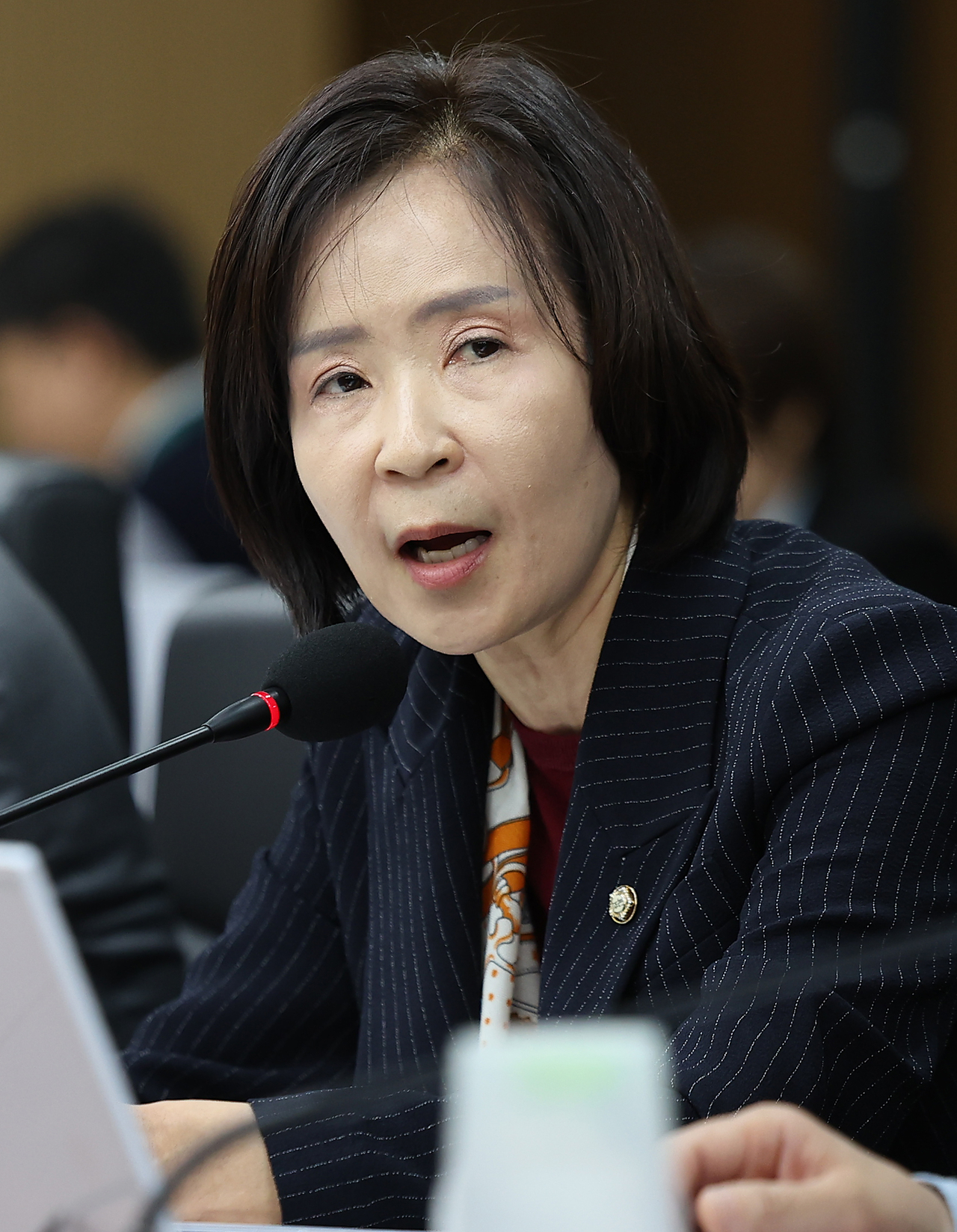
Korea National Oil Corporation could be forced to bear enormous legal costs on top of losing its case in an ongoing International Centre for Settlement of Investment Disputes arbitration against Nigeria worth hundreds of billions of won, a lawmaker warned Thursday.
Nigeria has gone on the offensive, characterizing a 2.5% participating interest and a $4.4 million success fee that KNOC promised a local broker during the acquisition of oil block rights as illegal lobbying and bribery targeting Nigerian government officials. If the arbitration tribunal accepts the corruption defense, KNOC's entire claim could be dismissed outright and taxpayers left to cover massive legal costs, the lawmaker said.
According to a trip report on the Nigeria ICSID arbitration proceedings that People Power Party Rep. Choi Su-jin obtained from KNOC, Nigeria pressed hard during main hearings held in Paris last November, arguing that the 2.5% participating interest and $4.4 million success fee paid to the local broker were bribes directed at Nigerian government officials.
KNOC has long maintained that Nigeria's cancellation of its oil block rights amounted to a unilateral, politically motivated contract breach by the new government. The corporation has argued that the reduction of a $231 million signature bonus was a legitimate arrangement officially agreed upon with the Nigerian government in exchange for commitments to invest in downstream infrastructure — including power plants and gas pipelines — and that the fees paid to the broker were fair compensation for overseas consulting services.
In the ICSID proceedings, however, Nigeria has pushed back against KNOC's account and is contesting the validity of the contract itself. The Nigerian government contends that the broker's compensation — the 2.5% stake and the $4.4 million success fee — was in effect a bribe aimed at its own officials. Nigeria has also pointed to the fact that the arrangement was handled covertly through a side letter whose stated date was backdated to before a payment deadline.
Furthermore, the downstream projects that KNOC claimed to have faithfully carried out in exchange for the bonus reduction were effectively abandoned under a January 2009 agreement releasing the corporation from its performance obligations, Choi said. Most damaging, she added, KNOC's internal board documents describe the broker's stake as "an incentive the government wants," and the corporation deliberately omitted that detail from a report to the Board of Audit and Inspection.
The problem, Choi said, is that a large body of circumstantial evidence supporting Nigeria's bribery allegations has emerged from KNOC's own internal documents and witness testimony. The board approval documents describe the broker's stake as "an incentive the Nigerian government wants" — a characterization KNOC's witness at the hearing called "a loose translation."
Under ICSID precedent, if bribery or corruption is proven in the process of securing an investment, the "corruption defense" principle applies — the investor's entire damages claim is dismissed regardless of the merits of the underlying case.
Should the tribunal accept the corruption defense on the basis of circumstantial evidence from KNOC's internal documents, the corporation would not only fail to recover its investment but would also be liable for the full costs of both its own legal fees and Nigeria's litigation expenses.
"KNOC has blamed the failure of the Nigeria project on a change of government in the other country, yet in the actual arbitration it is being attacked on the grounds that the 2.5% stake and the $4.4 million success fee paid to the broker were bribes for government officials," Choi said. "The corporation's board documents and the omission from the Board of Audit and Inspection report are now being used as the opposing side's primary weapons."
She added that describing the broker's stake as an "incentive" while omitting it from the audit report "is a clear failure of internal controls and an attempt to conceal misconduct." Choi called on KNOC to mount a thorough arbitration defense while fully briefing the National Assembly on the circumstances behind the board document's drafting, the reasons for the audit omission, and the cumulative legal costs incurred to date.
The ICSID case is now awaiting a final ruling after both sides completed their final written submissions and cost claims in April.
oskymoon@heraldcorp.com