Jeon Do-yeon, Jo In-sung take lead acting honors; 'Hope' wins best director, actor and cinematography
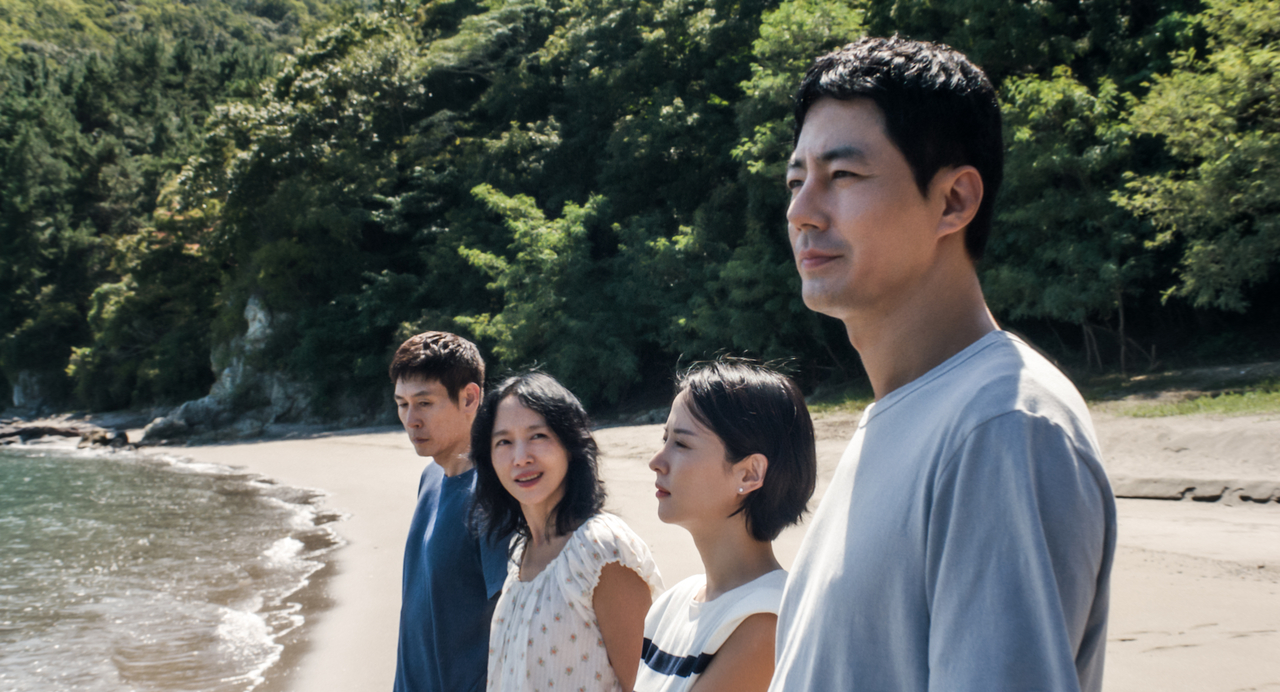
Director Lee Chang-dong's "Possible Love" has been named the best Korean film of the year by the country's film critics, with Jeon Do-yeon taking the best actress prize.
The Korean Film Critics Association announced Monday that "Possible Love" had won the top prize at the 46th Korean Film Critics Awards, while director Na Hong-jin's "Hope" claimed three awards.
The association selected eligible works released between October 2025 and September 2026, following a preliminary round among members and a final jury meeting on Friday.
"Possible Love" follows two couples — a pair of laid-off workers and a documentary filmmaker couple — who meet during the making of a film and confront each other's contrasting lives and hidden desires. It is Lee's first feature in eight years since "Burning" (2018) and stars Jeon Do-yeon, Sul Kyung-gu, Jo In-sung and Jo Yeo-jeong. Produced and financed by Netflix, the film won the Silver Lion — Grand Jury Prize, the second-highest honor, at the 83rd Venice International Film Festival in September. It opened in Korean theaters on Sept. 23 and will be available on Netflix on Nov. 6.
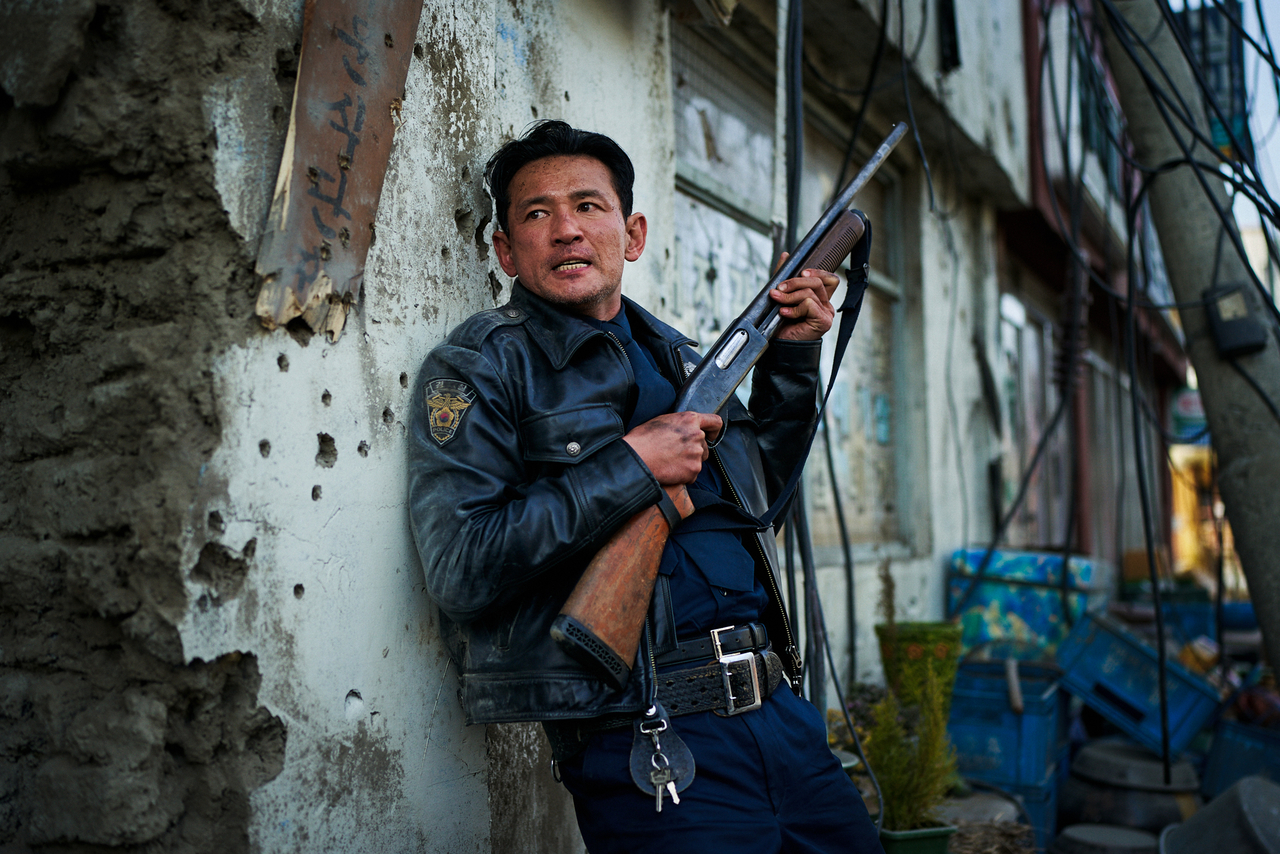
Na's "Hope" swept the best director, best actor — Jo In-sung — and best cinematography — Hong Kyung-pyo — categories. The film centers on a small fishing village near the demilitarized zone thrown into chaos by the appearance of an unidentified entity. "Hope" drew considerable attention when it was invited to the competition section of the 79th Cannes Film Festival in May, the first Korean film to compete there in four years, though it left without a prize. Jo, who also appeared in "Possible Love," took the best actor award for his role in "Hope." Cinematographer Hong wins the award for the second time, having previously received it for Lee's "Burning" in 2018.
The best supporting actress prize went to Ye Su-jeong for "People and Meat," while Oh Jung-se won best supporting actor for "Wild Thing." "People and Meat" claimed three honors in total, also winning the ensemble acting award and the domestic section of the FIPRESCI Korea prize, which went to director Yang Jong-hyeon. The film follows three elderly people living alone — scraping by collecting recyclables and selling vegetables on the street — as they seek out free meals of meat, with Park Geun-hyeong, Jang Yong and Ye Su-jeong in the lead roles. The independent film opened last October and drew an audience of 40,000 within about two months.
Park Ji-hoon won best new actor for "The King's Warden," while Seo Su-bin took best new actress for "Master of the World." The best new director prize went to Kim Bo-sol for the animated film "Gwangjang," who also received the independent film support award in the feature category. The documentary category of the independent film support award went to director Park Bong-nam for "1980 Sabuk."
The best screenplay award went to Byun Sung-hyun and Lee Jin-seong for "Good News," a black comedy inspired by the 1970 hijacking of a Japanese passenger aircraft that was released on Netflix last October. The best technical award went to sound director Kim Young-ho for "Salmokji," and the best music award to composer Lee Min-hwi for "Pavane."
This year saw the introduction of a new OTT original series category, created to bring critical attention to performances by actors working across both film and streaming. The inaugural winners are Shin Hye-sun for best actress in "Lady Dua," Hyun Bin for best actor in "Made in Korea," Jang Young-nam for best supporting actress in "Donggung," and No Jae-won for best supporting actor in "Made in Korea."
The lifetime achievement award goes to veteran actor Ko Eun-a, whose real name is Lee Kyong-hee. She made her debut in director Jeong Jin-woo's "Nan-ui Biga" in 1965 and was a prominent screen presence throughout the 1960s and '70s. In 1987, she took over a theater in her hometown of Busan that bore her name, embarking on a career as a cinema operator, and later participated in the management of Hapdong Film. The association cited her contributions to broadening the foundation of Korean cinema by expanding her role from actor to film industry executive and civic figure.
The critics' merit award went to Kim Du-ho, a film critic who served as the association's 15th president. The new critics' award was given at the excellence level — with no grand prize — to Lee Jun-hyeok and Im Tae-gyu. The international film award went to M&M International, the distributor of "Two Prosecutors," and the international section of the FIPRESCI Korea prize went to director Lee Sang-il for "Kokuhō."
The association's annual selection of 10 notable Korean films — the "Critics' Top 10" — includes "Possible Love" (Lee Chang-dong), "Good News" (Byun Sung-hyun), "People and Meat" (Yang Jong-hyeon), "Salmokji" (Lee Sang-min), "Master of the World" (Yoon Ga-eun), "Assassin(s)" (Heo Jin-ho), "The King's Warden" (Jang Hang-jun), "1980 Sabuk" (Park Bong-nam), "Pavane" (Lee Jong-pil) and "Hope" (Na Hong-jin).
The awards ceremony will be held at 6 p.m. on Nov. 4 at the Korean Film Archive's Cinematheque KOFA Theater 1 in Mapo-gu, Seoul, with actors Jo Han-cheol and Jang Seon hosting.
shee@heraldcorp.com