Labor-management working consultations held five times; no deadline set for talks
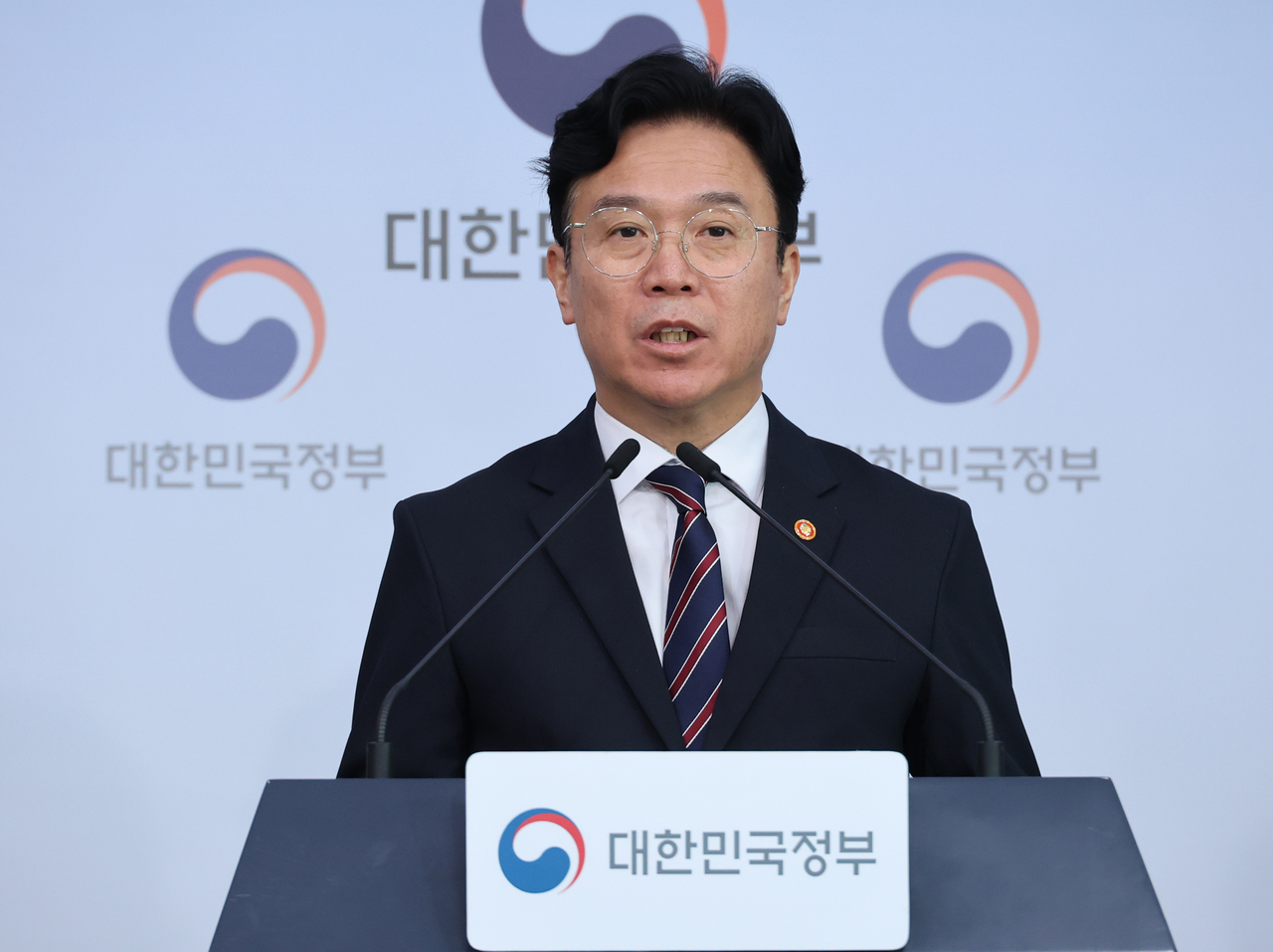
The Ministry of Employment and Labor said Tuesday it would work toward a reasonable solution through social dialogue between labor and management, as the Democratic Party of Korea moves to introduce two versions of a mega-special zone bill — one that includes labor exemptions and one that does not.
The ministry said in a press release that it would pursue a plan balancing the strengthening of advanced-industry competitiveness with worker protections, following thorough deliberation and debate on the proposed labor exemptions.
Rep. Park Sang-hyeok, who leads the Democratic Party's side on the National Assembly's Political Affairs Committee, is set to introduce the version that includes labor exemptions — such as relaxed working-hour regulations — while Rep. Choi Gi-sang, who leads the party's side on the Climate, Energy, Environment and Labor Committee, will introduce the version without them.
A wide gap remains between labor and management over the proposed exemptions.
Proposals under review within the government have included a "white-collar exemption" that would exclude high-income professionals meeting certain criteria from the 52-hour workweek cap, as well as an expansion of flexible working-hour arrangements for research and development staff. Extending the maximum contract period for fixed-term workers from the current two years to four years, and broadening the scope of permitted dispatch work, have also been discussed.
Business groups argue that greater flexibility in working hours and workforce deployment is essential to securing competitiveness in advanced industries, while labor groups have raised concerns about longer working hours and an expansion of non-regular employment.
To bridge those differences, the government has been conducting what it calls a "single-issue social dialogue" involving labor, management and related ministries. The process began with a vice-minister-level preparatory meeting on Sept. 18 and has since held five working-level consultations at the director-general level.
The ministry said it would not set a deadline for the talks, instead aiming through sufficient consultation to develop a plan that both strengthens competitiveness in advanced industries such as semiconductors and AI and fosters a healthy, sustainable working environment. It added that it plans to work closely with the National Assembly to ensure the outcomes of the social dialogue are reflected in the legislative review process.
fact0514@heraldcorp.com