Districts to select specialist firms, assist through inaugural general meetings
About 20 zones within Moa Towns eligible; applications accepted through year-end
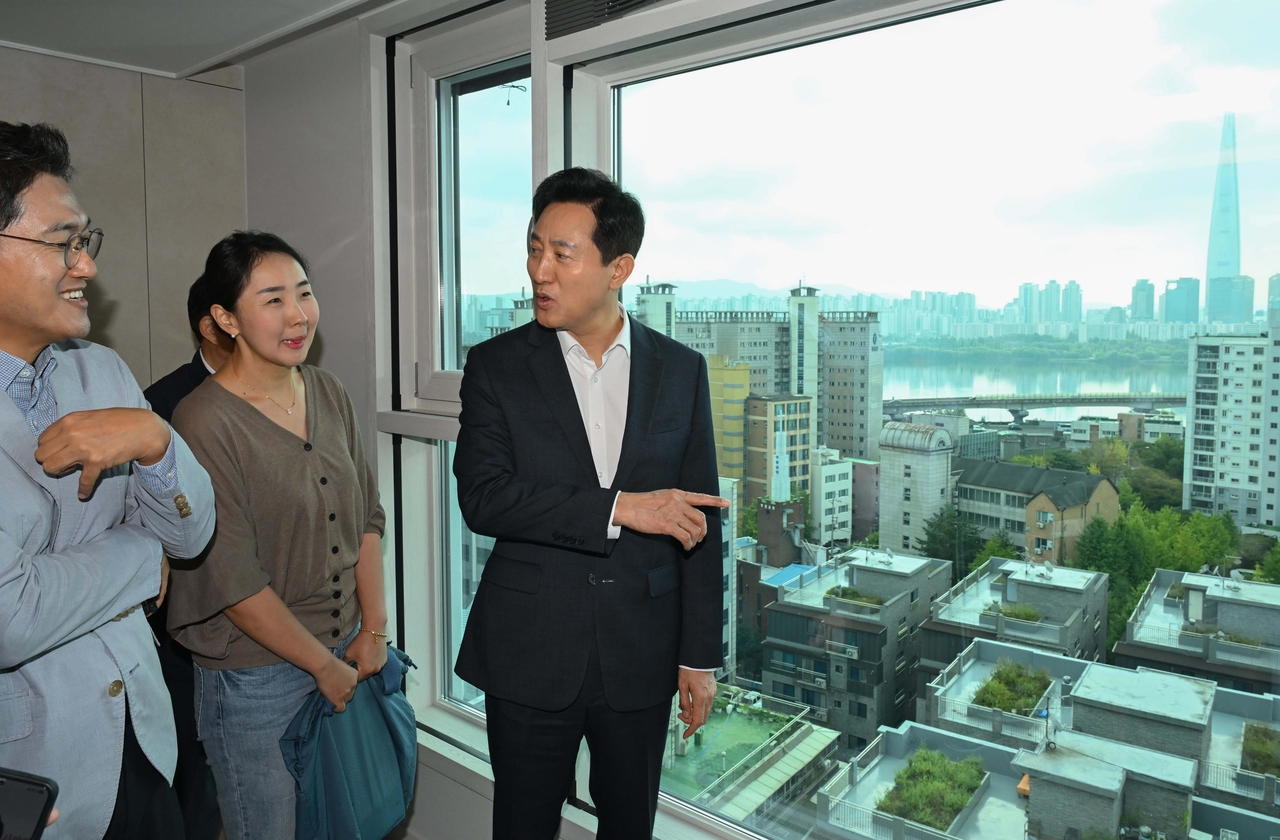
The Seoul Metropolitan Government will extend its public support program for housing cooperative formation — previously limited to large-scale redevelopment projects — to Moa Housing. Under the "Moa Housing Cooperative Formation Public Support Project," launched for the first time this year, individual districts will guide residents through the cooperative formation process while Seoul subsidizes part of the costs.
The city said Tuesday the initiative was designed to ease the burden residents face navigating complex administrative procedures and a lack of specialized information when forming a cooperative. Seoul plans to provide expert assistance from the earliest stages of cooperative formation to reduce the workload on residents and help accelerate redevelopment projects.
Each district, acting as the public support provider, will select a specialized redevelopment management firm to assist with the steps required to establish a cooperative. Key services include identifying landowners and property holders, drawing up a cooperative formation plan, organizing a residents' consultative body, collecting consent forms for cooperative establishment, drafting the cooperative's articles of association, and supporting the inaugural general meeting.
The support is intended to ensure residents have access to professional guidance throughout the cooperative formation process, easing procedural burdens in the early stages and reducing delays at the outset of a project.
Seoul will subsidize part of the costs incurred by districts in supporting cooperative formation, up to a maximum of 100 million won ($75,100) per zone. This year, the city plans to select and support about 20 zones within Moa Towns.
Eligible expenses include service fees for specialized redevelopment management firms and personnel costs such as allowances for members of residents' consultative bodies and the National Election Commission.
To qualify, a zone must be newly pursuing cooperative formation within a Moa Town, have 100 or more landowners and property holders, and be a neighborhood housing improvement project or small-scale reconstruction project intended to proceed through a cooperative structure.
Applying for public support requires the consent of at least 50 percent of landowners and property holders. However, a zone may still apply if the district mayor determines that public support is necessary even when the consent rate falls below 50 percent.
Existing Moa Town project zones wishing to participate may submit an application form, resident consent forms, copies of identification and other required documents to the Moa Town division of their respective district office. Zones newly seeking Moa Town designation may apply simultaneously when submitting a candidacy application under the integrated Moa Town planning process.
Seoul will accept applications on a rolling basis through the end of the year. After an initial review by the relevant district, submitted zones will be evaluated on resident consent rates, project feasibility, urgency of redevelopment and the district's capacity to carry out the work. A selection committee will then convene periodically to finalize the list of supported sites.
Myeong No-jun, head of the Seoul Metropolitan Government's housing bureau, said cooperative formation is a critical step toward getting Moa Housing projects fully under way. "We will provide professional support so that residents are not held back by complicated procedures or a lack of information, reducing early-stage delays and helping low-rise residential area redevelopment move forward smoothly," he said.
Meanwhile, Seoul has also moved to ease the financial burden on cooperatives by selecting seven sites for its Moa Housing early project cost loan support program, providing a total of 8 billion won in financing.
lucky@heraldcorp.com