Soliris biosimilar SB12 wins government PDP bid in market worth 250 billion won annually
Exclusive supply and technology transfer to local partner from 2027 for a decade
Cumulative supply tops 6 million units as company expands to three products in Latin America's largest market
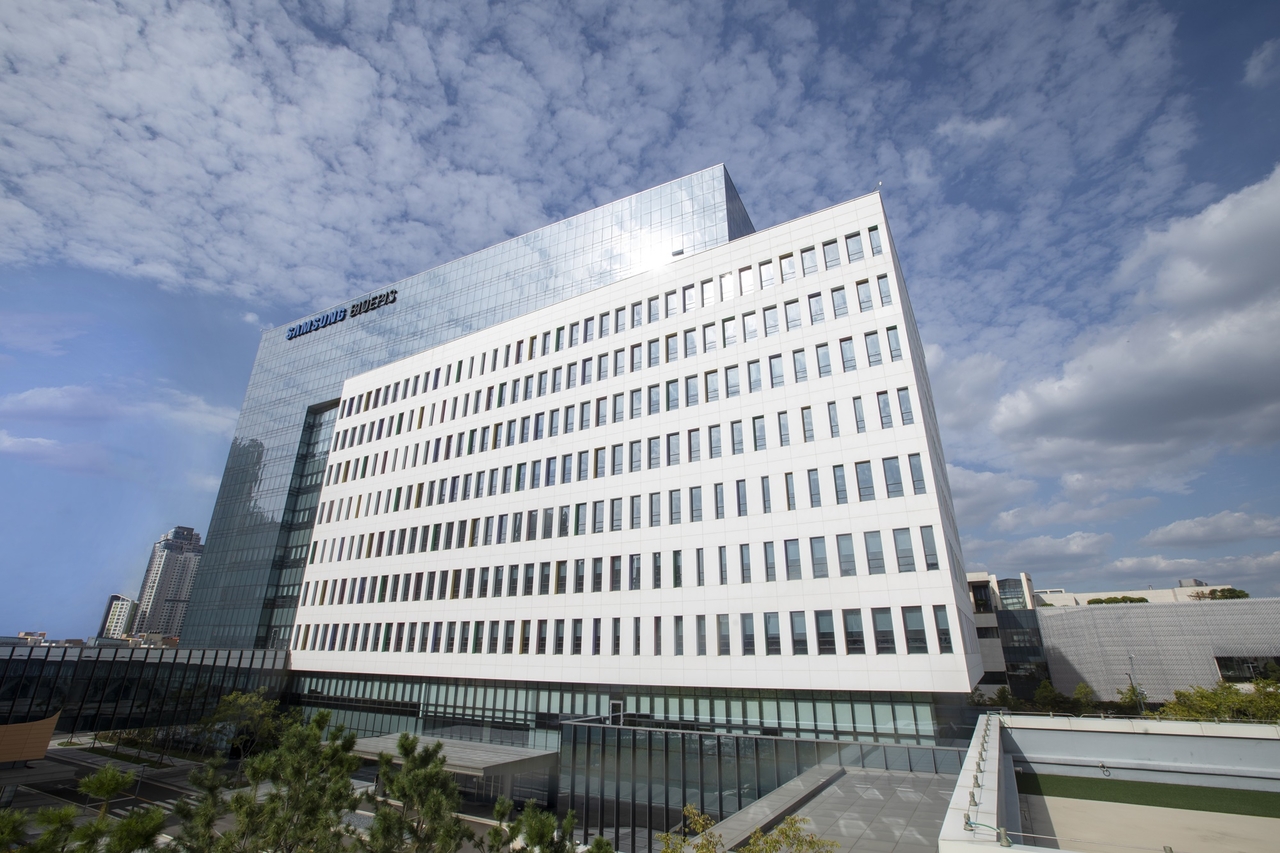
Samsung Bioepis will exclusively supply a rare disease biosimilar to the Brazilian government for 10 years, securing a foothold in Latin America's largest pharmaceutical market.
Samsung Bioepis announced Tuesday it had signed a local partnership, or PDP, agreement with Brazil's Ministry of Health to supply SB12 — a biosimilar of Soliris with the active ingredient eculizumab — for the treatment of rare diseases.
SB12 is an ultra-high-cost rare disease treatment used for conditions including paroxysmal nocturnal hemoglobinuria and atypical hemolytic uremic syndrome. It received marketing approval from Brazil's health regulator Anvisa in December 2024. The eculizumab market in Brazil was worth approximately 250 billion won ($186 million) last year.
Under the agreement, Samsung Bioepis will partner with local pharmaceutical company Bionóvis and state-run research institute Bahiafarma to exclusively supply SB12 to the Brazilian government-led market for 10 years beginning in 2027. The company will also carry out technology transfers to its local partners during the contract period.
Samsung Bioepis had previously signed PDP agreements with the Brazilian government for SB4 — a biosimilar of Enbrel with the active ingredient etanercept — in 2019, and for SB3 — a biosimilar of Herceptin with the active ingredient trastuzumab — in 2020, and has been supplying both products locally. Cumulative supply in the country has already surpassed 6 million units, and the new contract brings the company's government-supplied product lineup in Brazil to three.
Senior Vice President Jung Jin-han, who heads the CS3 team at Samsung Bioepis, said the company would "contribute to improving access for rare disease patients in Brazil through the stable supply of high-quality medicines." He added that having "demonstrated excellence in drug quality, manufacturing and supply stability," the company would "actively collaborate with local partners to advance Brazil's biopharmaceutical industry."
The deal is significant because it secures a stable, long-term revenue stream built on trust with a national government in a biosimilar market where bidding competition is typically fierce, while cementing Korean biotech's dominance in Latin America's largest and most difficult-to-enter market.
silverpaper@heraldcorp.com