Revised regulations take effect Oct. 29
Tourism oversight elevated to presidential level
Membership expanded to 15 ministry heads
Advisory panel of up to 20 experts to be appointed
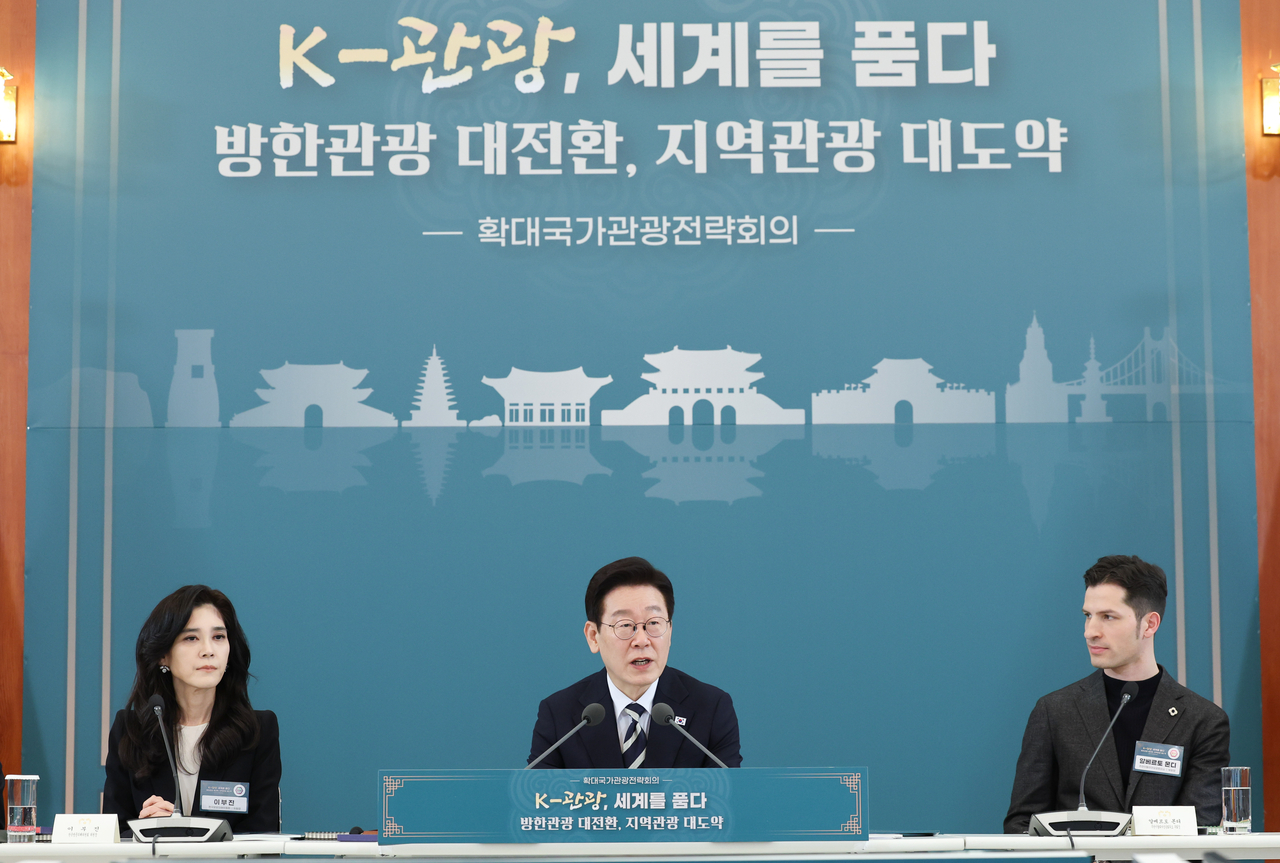
A revamped National Tourism Strategy Council, to be chaired directly by the president, will launch Oct. 29. Membership will expand to 15 ministries, and the culture minister will be elevated to serve as the council's lead coordinator. The council will convene twice a year — once each half — and will establish a system to evaluate policy outcomes and feed results into subsequent plans.
The Ministry of Culture, Sports and Tourism said Tuesday that the Cabinet approved a full revision of the presidential decree governing the council's composition and operations. The revised decree, which restructures the National Tourism Strategy Council under direct presidential authority, takes effect Oct. 29.
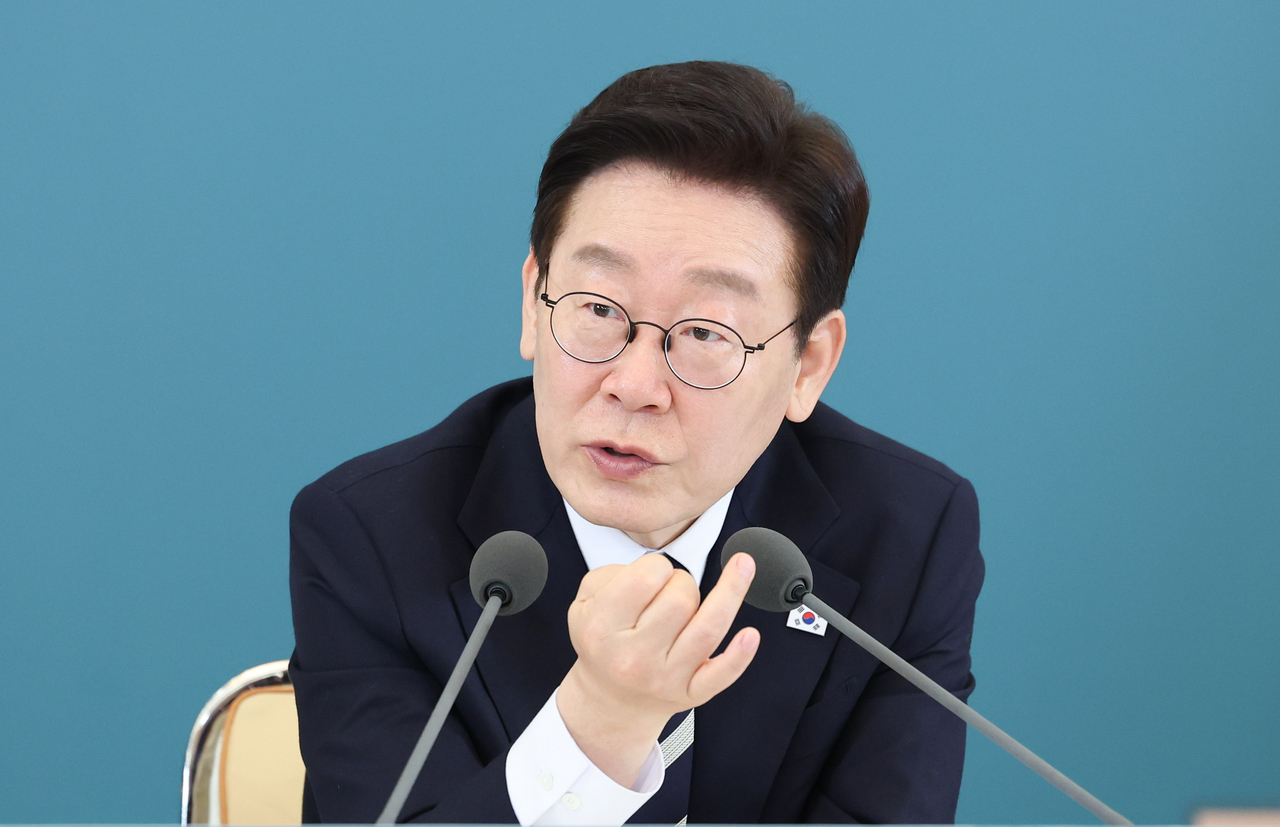
The revision follows an amendment to the Framework Act on Tourism passed in April, which transferred the council chairmanship from the prime minister to the president. The government added the ministers of Trade, Industry and Energy and Employment and Labor as new members — the former overseeing the exhibition industry under the MICE (meetings, incentives, conferences and exhibitions) tourism sector, and the latter handling workforce development and job creation in tourism. Their inclusion brings total membership to 15 ministry heads. The chief of the Office for Government Policy Coordination, previously a member, was removed following the shift to presidential oversight. The council's command structure will also be reorganized to include the senior presidential secretary for tourism policy at Cheong Wa Dae.
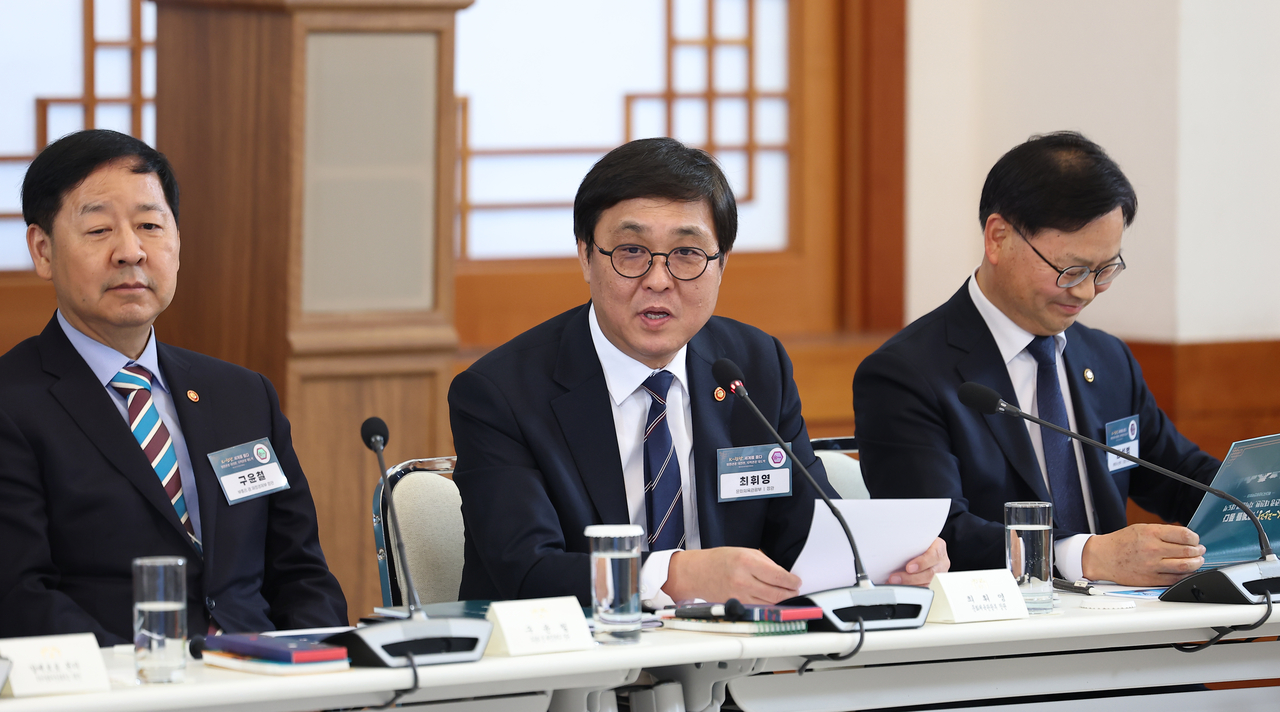
The role of lead coordinator on the council will be elevated from the Culture Ministry's second vice minister to the minister, who will work to ensure that decisions reached at the council translate into concrete policy. A preparatory vice ministerial coordination meeting that previously set the agenda will be renamed the working-level coordination meeting, with the senior presidential secretary for tourism policy serving as chair and handling cross-ministry coordination.
The revision also broadens channels for private-sector and local government participation. The culture minister will appoint an advisory panel of up to 20 experts covering inbound tourism, regional tourism, tourism infrastructure and the tourism industry. A regional tourism promotion council — chaired by the Culture Ministry's second vice minister and composed of deputy heads of metropolitan and provincial governments — will also operate to deliberate on agenda items ahead of full council meetings.
The council's deliberation and coordination mandate now explicitly includes the formulation of tourism promotion plans and the evaluation and incorporation of implementation results. The government has institutionalized a feedback loop in which each ministry's progress is reviewed and fed into the next round of planning.
Culture, Sports and Tourism Minister Choi Hwi-young said the president-led council has established "a tourism public-private partnership tailored to Korea, where cross-ministry bodies, the private sector and local governments join forces." He added that the revised decree "will serve as a powerful policy foundation for the tourism industry — both a strategic growth engine for the nation and a breakthrough against regional depopulation."
terry@heraldcorp.com