On-site forum held for beauty, food and packaging firms
Companies cite testing costs and technical document burdens
Ministry of SMEs and Startups to cover up to 100 million won in certification costs
Nationwide education and consultation sessions set for next month
As the European Union's packaging regulations take full effect, South Korean small and medium-sized exporters are facing mounting costs for testing, certification and documentation. The government has moved to ease the burden, offering up to 100 million won ($74,500) per company to cover certification, testing and consulting expenses.
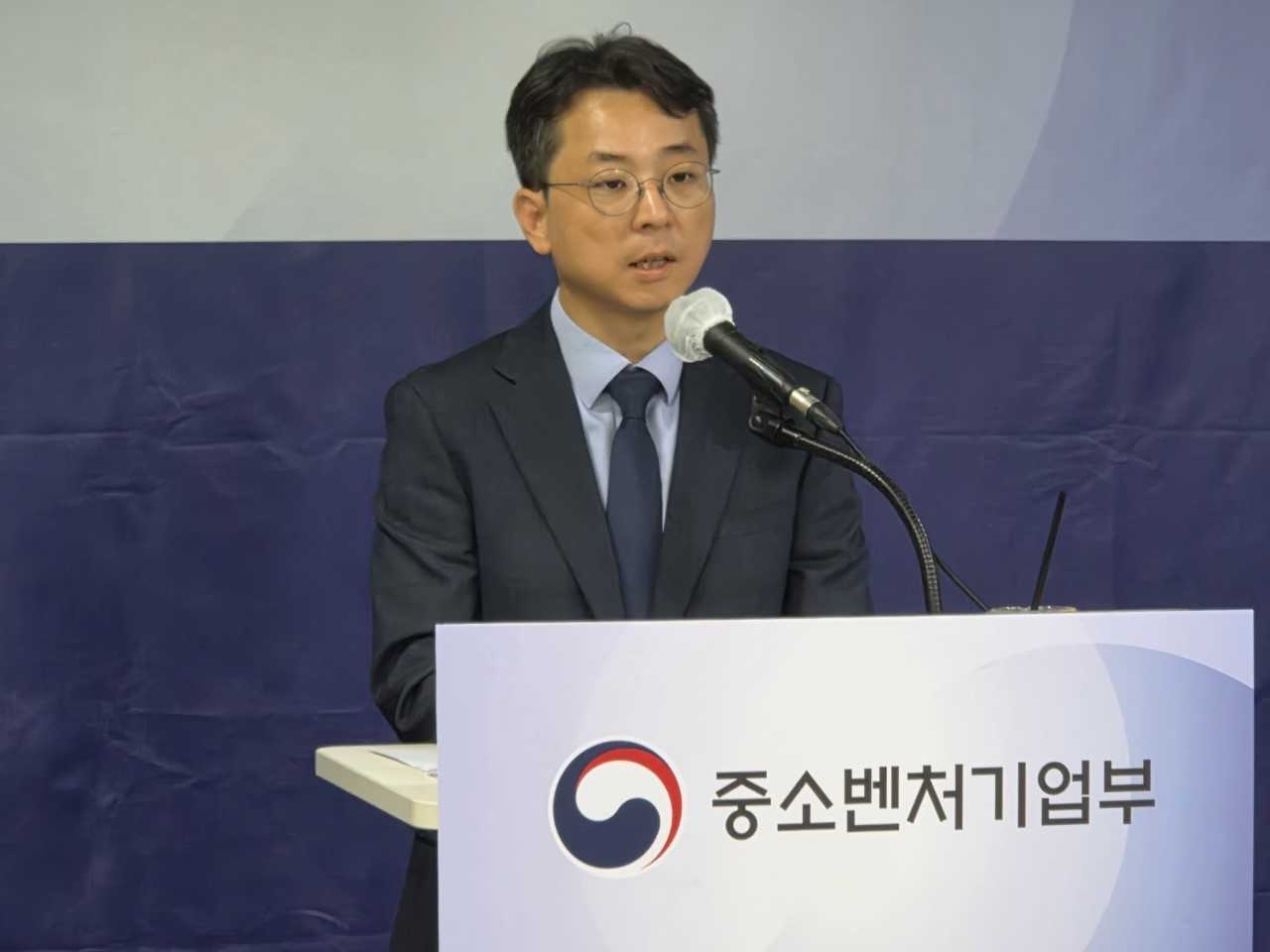
The Ministry of SMEs and Startups held a forum Tuesday at the Startup Venture Campus in Mapo-gu, Seoul, to hear directly from affected businesses. The session, titled "SME Forum on Responding to EU Packaging and Packaging Waste Regulation," was chaired by Director General for Global Growth Policy Shim Jae-yun.
The EU's Packaging and Packaging Waste Regulation, known as PPWR, sets requirements for all packaging placed on the EU market — covering restrictions on hazardous substances, recyclability, recycled content and labeling standards. Because the rules apply to companies outside the EU as well, South Korean small and medium-sized enterprises exporting to Europe must also comply.
Since Aug. 12, restrictions and conformity assessments for heavy metals in packaging and per- and polyfluoroalkyl substances in food-contact packaging have been phased in. Companies must prepare technical documentation and an EU Declaration of Conformity demonstrating that their products meet the applicable standards.
From 2030, additional requirements on recyclability and recycled content will be phased in progressively.
The challenge for smaller firms is that they often lack the specialized staff and financial resources needed to navigate the rules. Difficulties arise particularly when trying to obtain hazardous-substance data from packaging suppliers and when conducting product-by-product testing and analysis.
About 10 people attended Tuesday's forum, including representatives of small and medium-sized enterprises in the beauty, food and packaging sectors as well as industry experts. The Korea Testing & Research Institute shared an overview of the PPWR's key provisions and the current state of compliance efforts.
Participating companies said they struggle to obtain hazardous-substance information from their packaging suppliers and find the per-product testing and analysis costs prohibitive. They also flagged difficulties in drafting English-language technical documents and declarations of conformity.
In response, the ministry said it is channeling existing support programs toward PPWR compliance. Since April, it has been running a program for 100 small and medium-sized enterprises that bundles training, diagnostics, testing, technical documentation and EU representative appointment into a single package, covering up to 70 percent of total costs — capped at 7 million won per company.
The ministry has also added PPWR to the strategic support category of its overseas standards certification program, which covers 50 to 70 percent of certification, testing and consulting costs, up to 100 million won per company. Small and medium-sized enterprises wishing to participate may apply on a rolling basis through Nov. 30.
The ministry will also hold PPWR education and consultation sessions across five regional hubs nationwide from Nov. 16 to Nov. 25. The sessions will explain the regulation's key requirements and offer one-on-one expert consultations tailored to each company's situation.
"PPWR is becoming more than an environmental regulation — it is fast turning into a prerequisite for entering the European market," Shim said. "We will strengthen cost support, education and consultation based on on-the-ground feedback to ensure our small and medium-sized enterprises do not see their exports disrupted by packaging rules."
boo@heraldcorp.com