Governor attends 4th Sudeoksa Sansa Music Concert, vows to complete vision of S. Chungcheong as 'cultural city worth returning to'
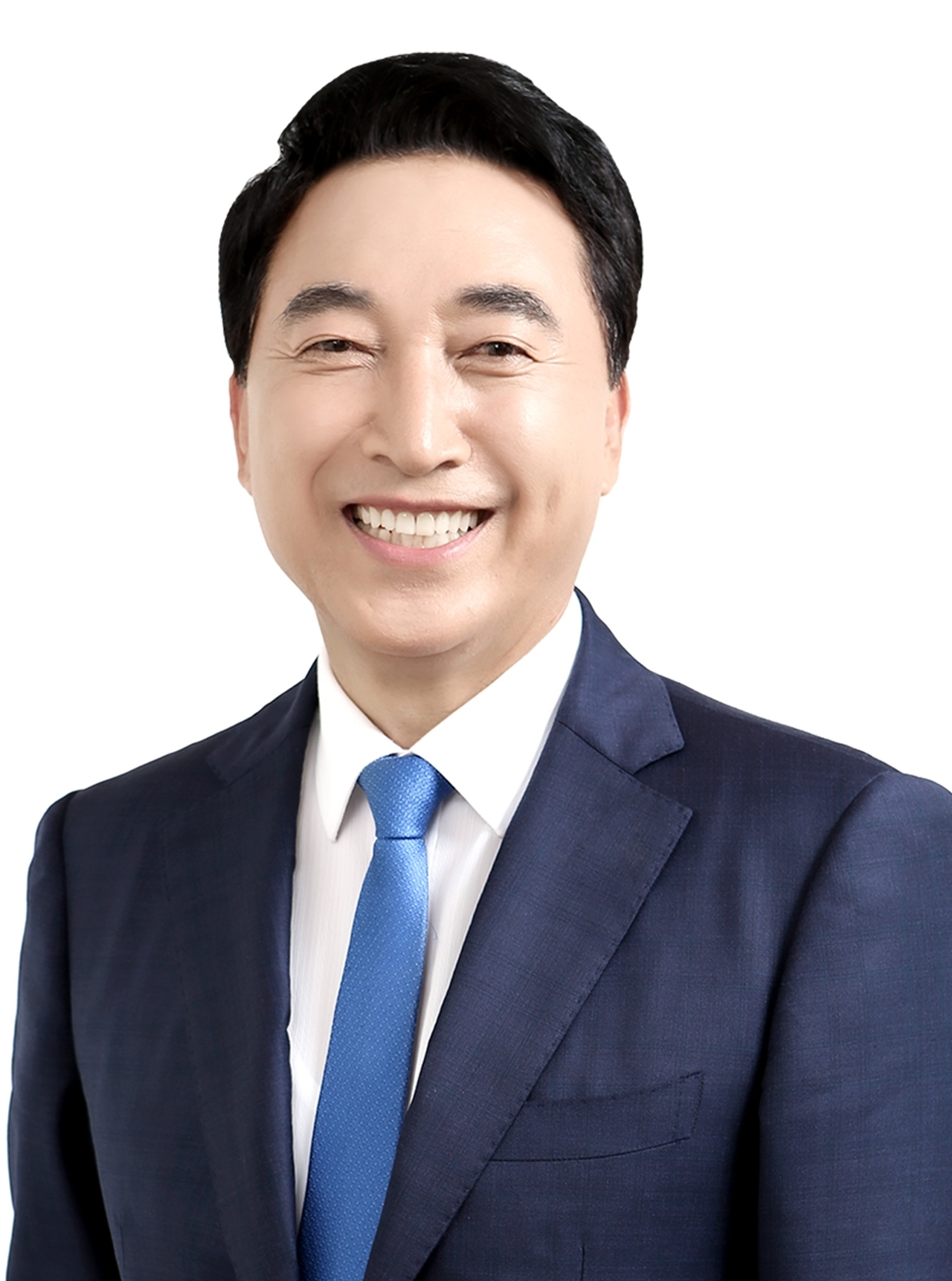
South Chungcheong Province Governor Park Soo-hyun attended the 4th Sudeoksa Sansa Music Concert on Monday, where the history and cultural heritage of the ancient Buddhist temple met contemporary popular music, and engaged with residents at the event.
Co-hosted by Sudeoksa temple and the Howon Cultural Foundation and supported by the provincial government and Yesan-gun, the concert drew about 1,000 attendees, including Park, head monk Dosin and other guests.
Popular singers Park Ae-ri, Park Ji-hyun, Ailee, Lim Chang-jung and Hong Ji-yun performed on stage, offering a diverse lineup. Local artists also took part, showcasing the region's cultural and artistic talent and adding meaning to the mountain temple concert through performances shared with the audience.
Speaking at the event, Park said it was "a place of communication and harmony where traditional heritage and contemporary art breathe together and warmly connect the community," adding that "art has the power to move people's hearts and unite a region as one."
Park then said the province would "combine the precious cultural heritage of Sudeoksa with the rich tourism resources of Yesan to complete the vision of South Chungcheong as a cultural city worth returning to and staying in." He added that the province would "take careful steps to ensure that all residents can enjoy culture and the arts in their everyday lives and share the joy and comfort that culture brings."
Meanwhile, Sudeoksa was founded in the late sixth century by the eminent Baekje Buddhist monk Jimyeong. The temple preserves a long history and cultural heritage, including its main hall, Daeungjeon, which is designated a national treasure.
Daeungjeon is particularly regarded as the oldest surviving wooden structure in South Korea, a fact confirmed through an ink inscription discovered during its dismantling and restoration in 1937, which established that it was built in 1308, the 34th year of King Chungnyeol's reign.
kwonhl@heraldcorp.com