
Markets lean toward a hold, but a third straight hike remains possible; September producer prices and early-October export figures also due; single-stock leveraged ETFs and AI hacking incidents set to face scrutiny in National Assembly audits
Attention next week will center on the Bank of Korea's benchmark interest rate decision and early-October trade data, as markets look for signals on the direction of monetary policy following back-to-back rate hikes in July and August. The release of producer price figures and comprehensive parliamentary audits of major economic ministries will add to a packed schedule of policy developments.
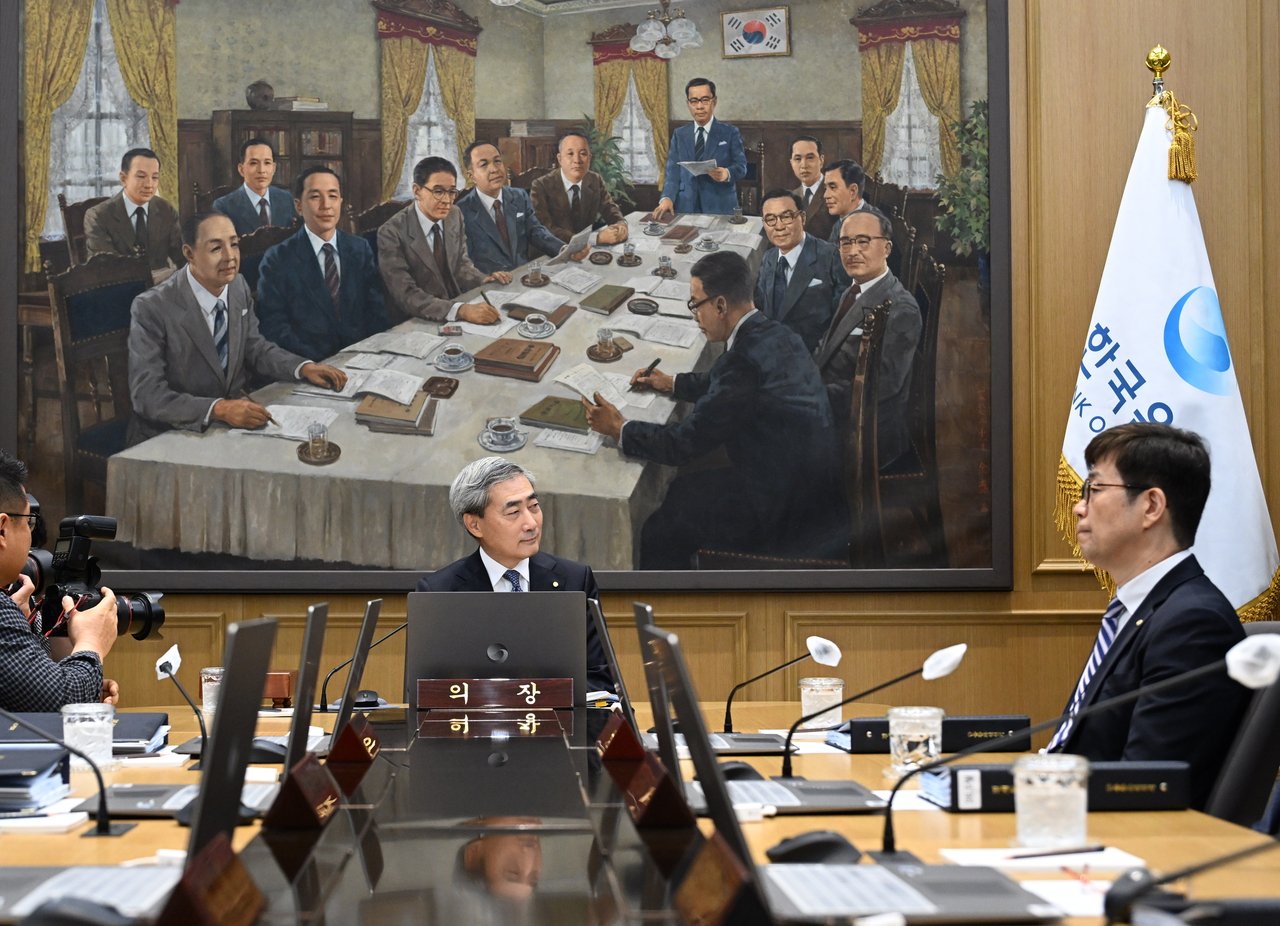
The Bank of Korea's Monetary Policy Board will hold its policy meeting Thursday to decide whether to adjust the benchmark interest rate, currently at 3.00 percent per year. The board raised the rate by 0.25 percentage points each in July and August.
Markets are leaning toward a hold this time, expecting the board to pause and assess the effects of the previous hikes. However, with inflation pressures still elevated and the real estate market remaining unsettled, the key question is whether the board will signal that further increases remain on the table.
Trade data will also draw close attention. The customs-cleared export and import figures for Oct. 1–20, due Wednesday, will show whether the recent export surge is holding. Exports for Oct. 1–10 came in at a preliminary $26.1 billion on a customs-cleared basis, up 102.0 percent from the same period last year. A continued strong showing in semiconductors and other key export items would bolster expectations for corporate earnings.
Also on Wednesday, the Bank of Korea will release the September producer price index. Producer prices rose for nine consecutive months from September last year before leveling off in June this year, then fell in July for the first time in 11 months. They have since resumed an upward trend, making the latest reading closely watched for its implications for the monetary policy outlook.
In the National Assembly, comprehensive parliamentary audits of financial regulators and major economic ministries will continue. At Monday's audit of the Financial Supervisory Service, the introduction of single-stock leveraged ETFs is expected to be a central issue. Lawmakers are likely to scrutinize the regulator's judgment and oversight responsibilities surrounding the rollout of the high-risk products, which track daily returns of individual stocks such as Samsung Electronics and SK hynix at a multiplied rate.
Financial Supervisory Service Director Lee Chan-jin said at a press briefing in June that he personally regretted not doing more to block the products' introduction. "I find myself reflecting on whether I should have thrown myself down and stopped it somehow — I have a lot of regrets," he said.
A string of recent AI hacking incidents at financial institutions is also expected to emerge as a key audit issue. The National Assembly's Political Affairs Committee has added the heads of the five major banks as additional witnesses. Other issues on the agenda include household debt management, oversight of real estate project financing sites, the planned relocation of the Financial Supervisory Service to a regional office, and administrative reform.
The comprehensive audits are scheduled in the following order: the Korea Fair Trade Commission on Wednesday, the Ministry of Economy and Finance, the Financial Services Commission and the Financial Supervisory Service on Thursday, and the Ministry of Planning and Budget and the Bank of Korea on Friday.
kacew@heraldcorp.com



