Hanwha Solutions held its 2026 Solution Academy on Thursday
"Direct refund" missing from government's production tax credit discussions, executive warns
R&D support also essential to beat China on perovskite tandem cells, company says
500kV XLPE technology validation completed
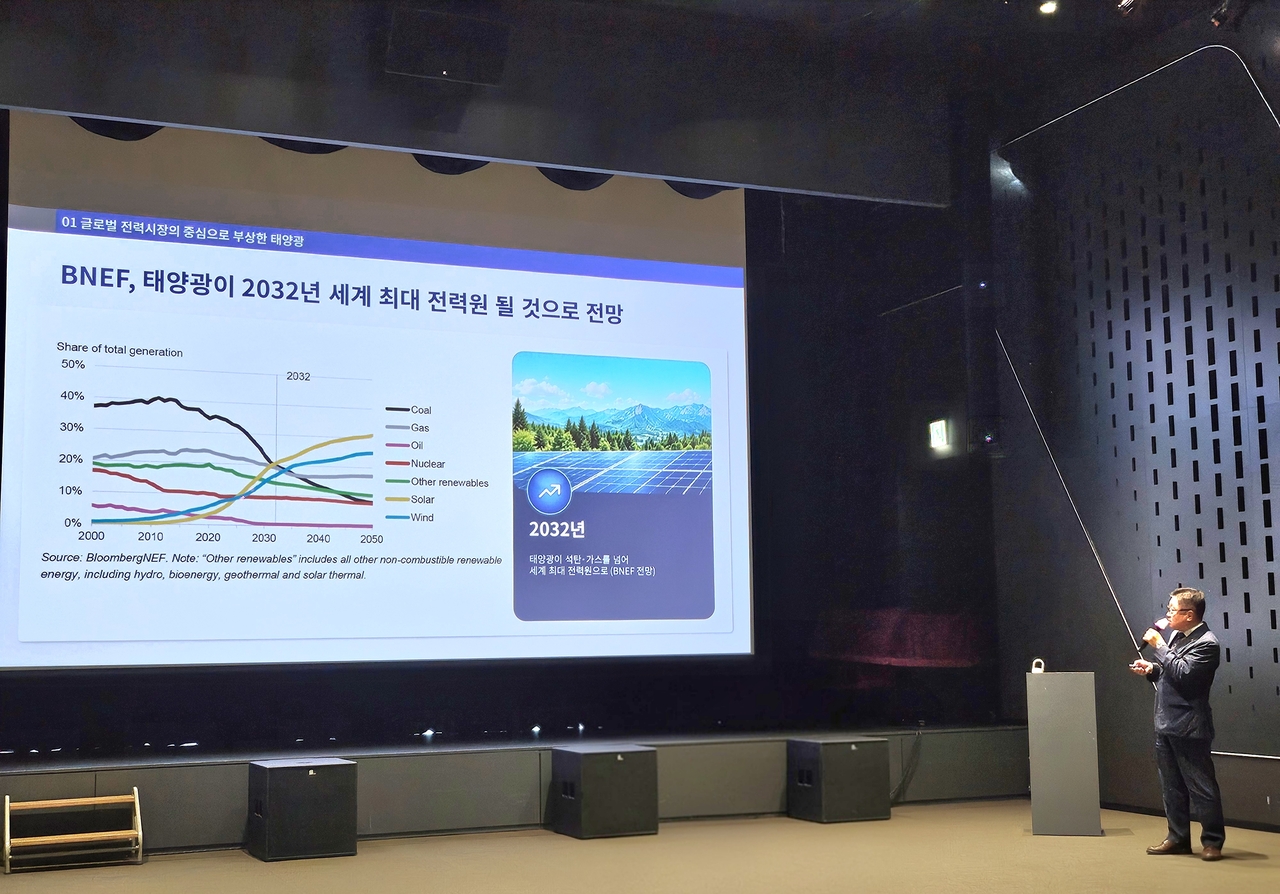
"The solar market is now an artificially tilted playing field because of China's subsidy blitz. Shouldn't we at least save the cell segment?"
Yoo Jae-yeol, executive vice president of Hanwha Solutions' Qcells Korea division, made the remarks Thursday at the 2026 Solution Academy held at Hanwha Building in Jangyo-dong, Seoul, calling solar cells "the most technology-intensive and highest-value-added segment in the solar value chain."
Production tax credit without 'direct refund' offers no real benefit to solar industry
The production tax credit currently being pursued by the government was cited as the most urgently needed policy measure for the solar industry. Modeled after the United States' Inflation Reduction Act, the production tax credit would provide tax incentives to companies that manufacture and sell industrial products domestically.
The measure was newly introduced in this year's tax reform package and is awaiting implementation. Its practical effectiveness for companies will depend on subsequent budget allocations and related decisions.
Yoo said he was concerned that key support mechanisms — particularly direct refunds — were missing from the current discussions. "The solar industry requires enormous capital expenditure and operating costs, and it takes time from initial investment to realizing operating profit," he said. "The production tax credit is meant to bridge that gap, but unlike in the United States, there is no substantive refund mechanism, which raises the concern that companies may not actually benefit from the regime."
The government is currently discussing the production tax credit with a focus on tax incentives. Solar component factories, however, typically run at a loss for the first several years due to the massive upfront investment required. Cash support during the early loss-making period matters more than benefits that only kick in once a company turns profitable.
Hanwha Solutions claims world-leading position in perovskite; calls for R&D support
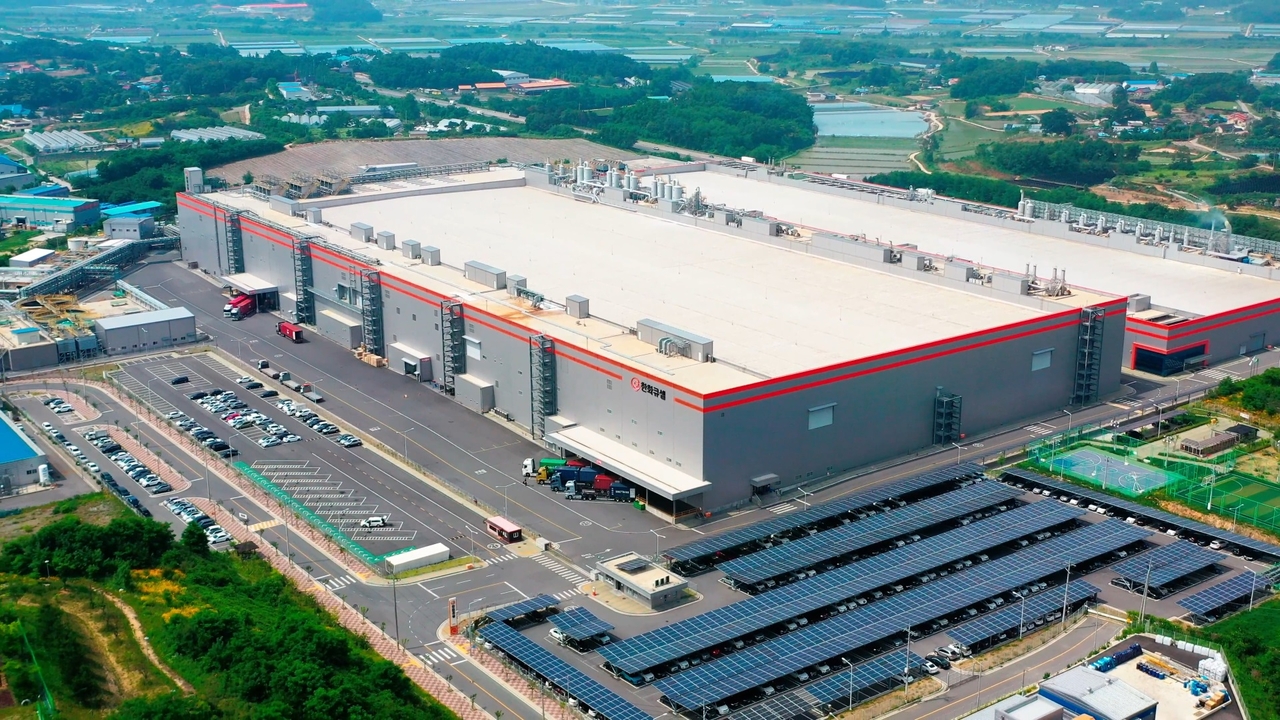
Calls also emerged for R&D support to be included in the production tax credit. Yoo said the entire world is staking its future on perovskite tandem solar cells — a next-generation material seen as an alternative to silicon — and that developing them first would allow South Korea to outpace China and strengthen its industrial competitiveness.
Hanwha Solutions has already achieved some results in perovskite tandem cells. The company has established a pilot line at its Jincheon factory in North Chungcheong Province and is targeting mass production by late 2028. "We achieved laboratory-level results a long time ago, and our pace toward mass production is the fastest in the world," Yoo said.
W&C division established European subsidiary last year
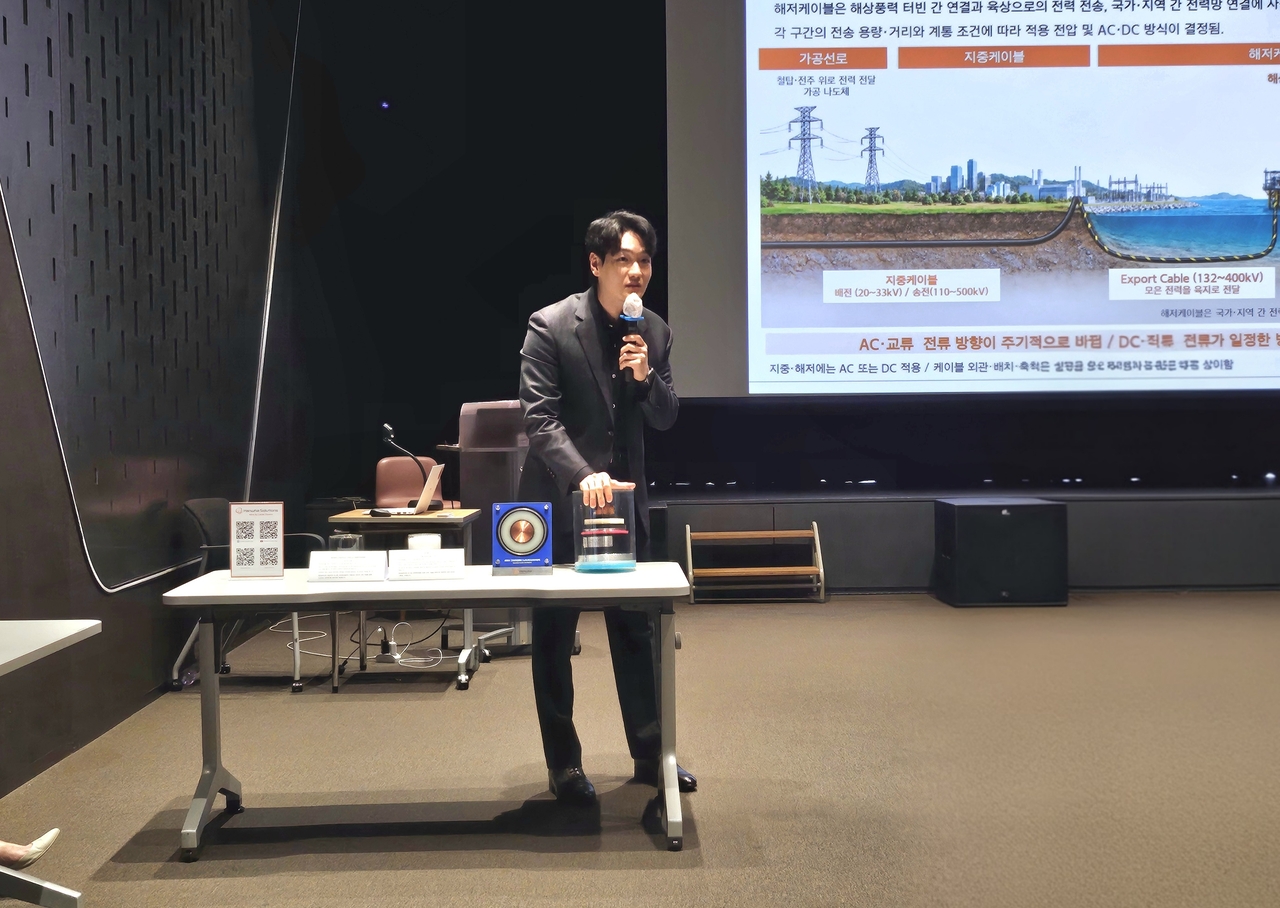
Hanwha Solutions' Wire & Cable division, known as W&C, presented an update on its cable R&D efforts in response to demand from AI data centers. The W&C division was elevated from a business unit within the chemicals segment to a standalone division last year. The company also established a European subsidiary, Hanwha Cable Solutions, targeting the European market.
Park Ji-hoon, a sales manager at the W&C division, said the European subsidiary was set up "to focus efficiently on Europe, where our end customers are," adding that the company is building a system capable of actively responding to industry issues by deploying technical personnel not only in Europe but also in China and South Korea. He added that the company currently operates warehouses in Finland, the Netherlands, Sweden and South Korea to meet delivery timelines for customers across 265 countries.
500kV XLPE validation, high-temperature HVDC development among recent milestones
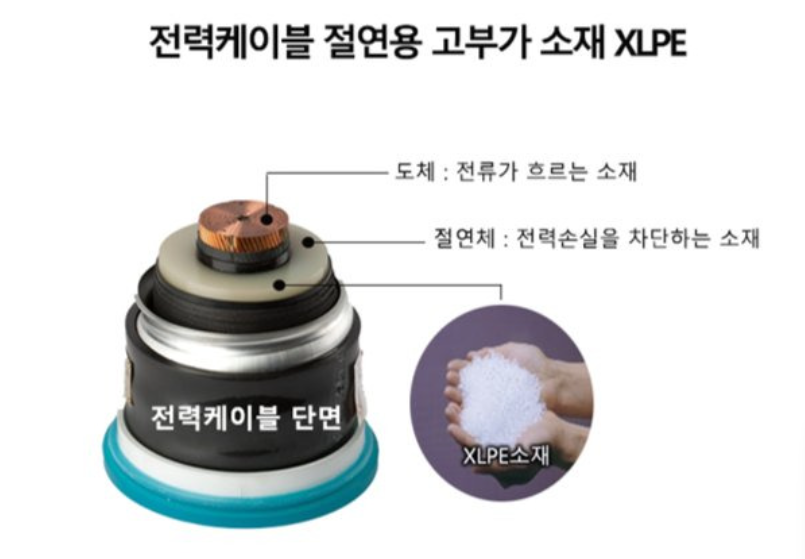
The W&C division highlighted three core technology areas: extra-high-voltage cables, submarine cables and high-voltage direct current cables.
Its most recent achievement is an XLPE insulation material for 500kV HVDC cables. Using polyethylene as its primary base, the material is designed to transmit power stably even in extremely high-temperature environments. Hanwha Solutions has completed technology validation of the 500kV XLPE material in collaboration with a Chinese cable manufacturer.
The W&C division is also conducting field demonstrations with customers for an HVDC material capable of operating at 90 degrees Celsius — compared with the industry average of 70 degrees — while an in-house pilot for XLPE recycling technology is also underway, reflecting active development across multiple new technologies.
Carlo Scarata, head of Hanwha Solutions' W&C division, said the successful validation of the 500kV cable material "is an important milestone demonstrating that Hanwha Solutions has secured global-level technological credibility in the field of cable materials for extra-high-voltage power transmission."
klee@heraldcorp.com