
'Thirty years of conviction, starting with four clay jars'
From traditional fermented pastes and red ginseng to homegrown-wheat pizza — all developed in-house
A year-round family experience space in the making
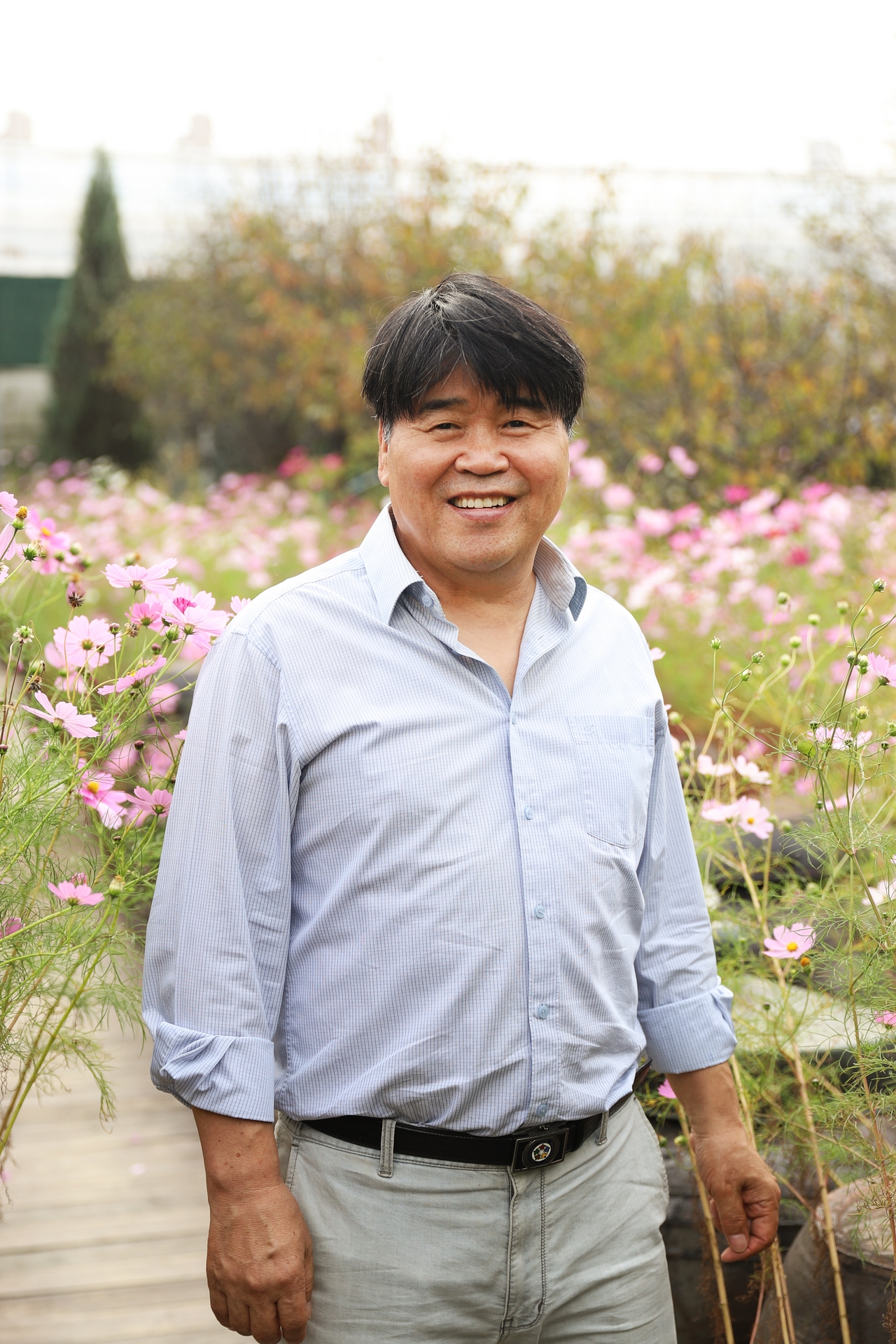
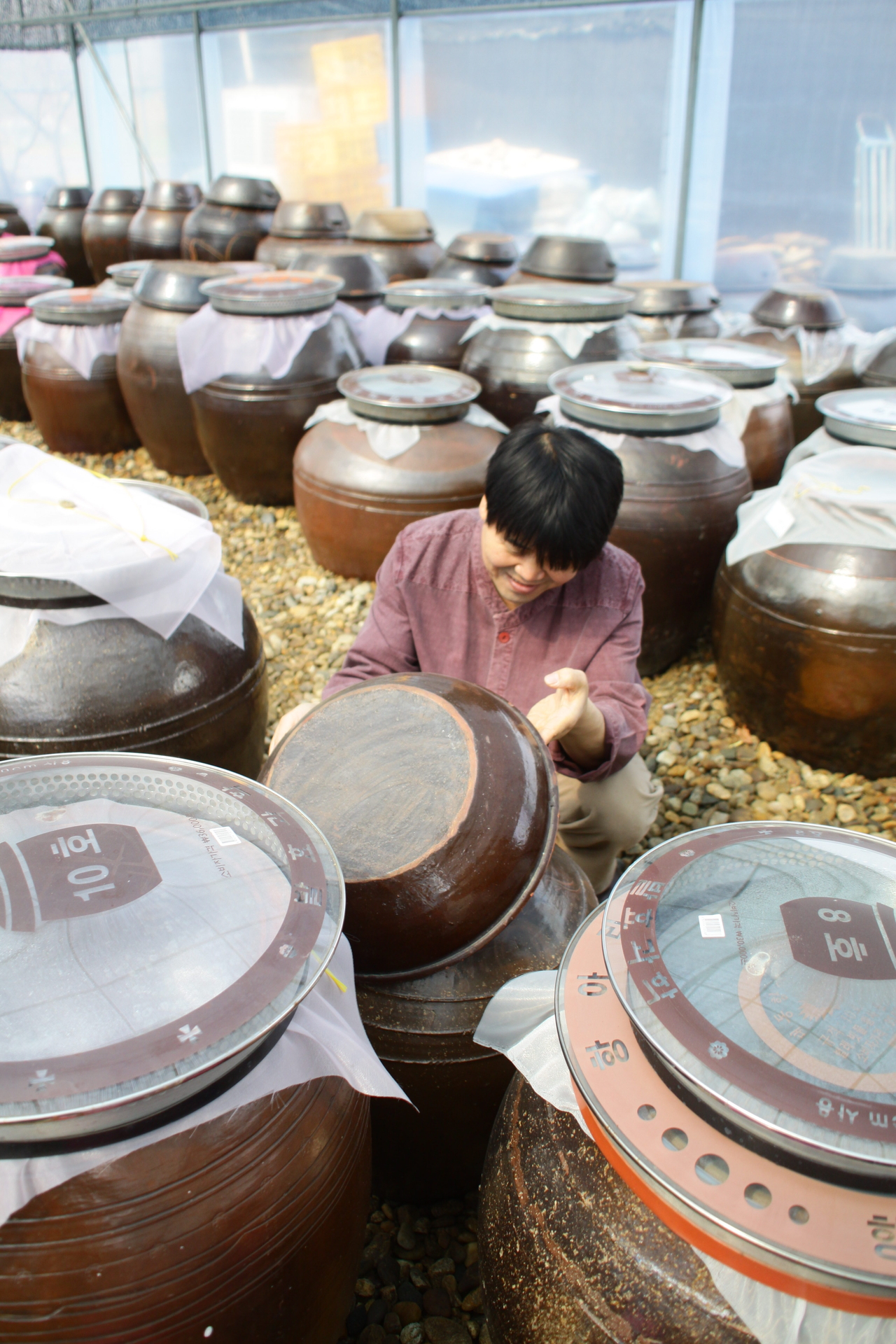
Step inside Jangsu Sanghoe in Gimpo, Gyeonggi Province, and the first thing that catches the eye is a row of earthenware jars. Doenjang and gochujang slowly mature in the open air, surrounded by plants and hands-on activity stations. In one corner, visitors can try making pizza from scratch using domestically grown wheat.
For Son Chan-rak, the man who built this place, Jangsu Sanghoe is far more than a retail outlet. It is the physical expression of more than 30 years spent asking a single question: what does it take to use good ingredients the right way?
Son entered the food business in 1989, leaving salaried work in his early thirties to open a rice-cake shop. What turned him into a serious student of food was his wife's illness.
Watching his family's health deteriorate, he began looking at food and the living environment with fresh eyes. He sought out answers on his own — traveling, reading and experimenting to understand how to handle quality ingredients in ways that preserved their natural flavor and character.
"When my family got very sick, I started seeing food completely differently," Son said. "Finding out for myself how good ingredients should be handled — that pursuit has never stopped."
Starting with four jars — a manufacturing method found the hard way
The first thing Son focused on was the production process itself.
He visited health-food producers and manufacturing sites across the country, studying how food was made and searching for methods that kept raw ingredients as close to their natural state as possible. He researched traditional double-boiling techniques and old-style fermentation methods, and when the equipment he needed did not exist, he built it himself.
He started with four clay jars. As neighbors began asking him to process ingredients for them, the jars multiplied to ten, and the business grew organically from there.
About a decade ago he relocated to Gimpo, and it was there that he began turning a long-held vision into reality — traveling the country to collect aged earthenware jars and fermenting his own batches of doenjang, gochujang and other traditional pastes.
What Son is building in Gimpo is not a simple food factory. It is a place where fermentation crocks, plants, food and hands-on experiences coexist in a single space — somewhere people can linger and rest.
His interests have expanded from traditional fermented pastes to red ginseng, ginger, Japanese apricot and other ingredients. Most recently he has been developing a pizza made with domestically grown wheat.
His starting point was always something he wanted to eat himself. A pizza lover, he decided to take control of every ingredient and began experimenting with dough. He settled on organic domestic wheat, incorporating Chinese yam and fermented liquid extracts to create a recipe entirely his own.
"The first question I ask when developing any product is whether I would eat it myself," Son said. "Using good ingredients raises costs, but I have always chosen to trim my own margin rather than cut corners on the ingredients."
The same logic underpins his manufacturing philosophy: rather than artificially amplifying flavor, he puts the emphasis on drawing out what the raw ingredients already have.
Following that approach, he has steadily broadened his product range from doenjang and gochujang to red ginseng, ginger and Japanese apricot. Son said his ginger and red ginseng products have earned him two ministerial commendations from the Ministry of Agriculture, Food and Rural Affairs.
From retail space to experience destination
The area Son has been pouring the most energy into lately is hands-on programming.
Jangsu Sanghoe currently offers a pizza-making experience in which visitors work through the dough and topping process themselves, then eat what they have made or take it home.
He plans to expand the offering considerably — a kimchi-making workshop and a makgeolli-brewing session are in preparation, and he is also sketching out a space centered on rice cakes.
The vision is to move well beyond a place where people simply buy something and leave, transforming it into a destination where children, parents and grandparents can come together to make food, eat and unwind.
"I want to add a kimchi workshop and a makgeolli workshop, and put together something around rice cakes as well," he said. "I want it to be a place where the whole family can come, make things with their own hands, eat together and take a break."
More than 30 years after founding the business in 1989, retirement is still a distant concept for Son. He says he finds working more comfortable than resting, and his days remain filled with researching new foods and tending to the space.
What began as a modest experiment with four clay jars has grown into a destination that encompasses traditional fermented pastes, fermented foods, domestic-wheat pizza and a growing slate of experiential programs.
The personal concern for his family's health that set everything in motion has evolved into a broader question — not just what to eat, but how to make it and where to share it with others. At Jangsu Sanghoe, the answer Son has been building for more than three decades is slowly taking shape.
7toy7@heraldcorp.com




