
Captive-bred adults to be released in bid to expand wild population
Release marks milestone in marine protected species restoration effort
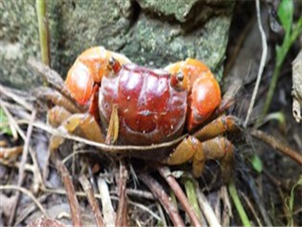
Five hundred captive-bred red-clawed fiddler crabs — an endangered species — are set to be released into the Bongam tidal flat in Changwon, South Gyeongsang Province. The release is part of a broader effort to restore wild populations of marine protected species whose habitats have shrunk due to coastal development, and to recover biodiversity in tidal flat ecosystems.
The Ministry of Oceans and Fisheries announced Monday that it will release 500 captive-bred adult red-clawed fiddler crabs at the Bongam tidal flat in Changwon on Tuesday.
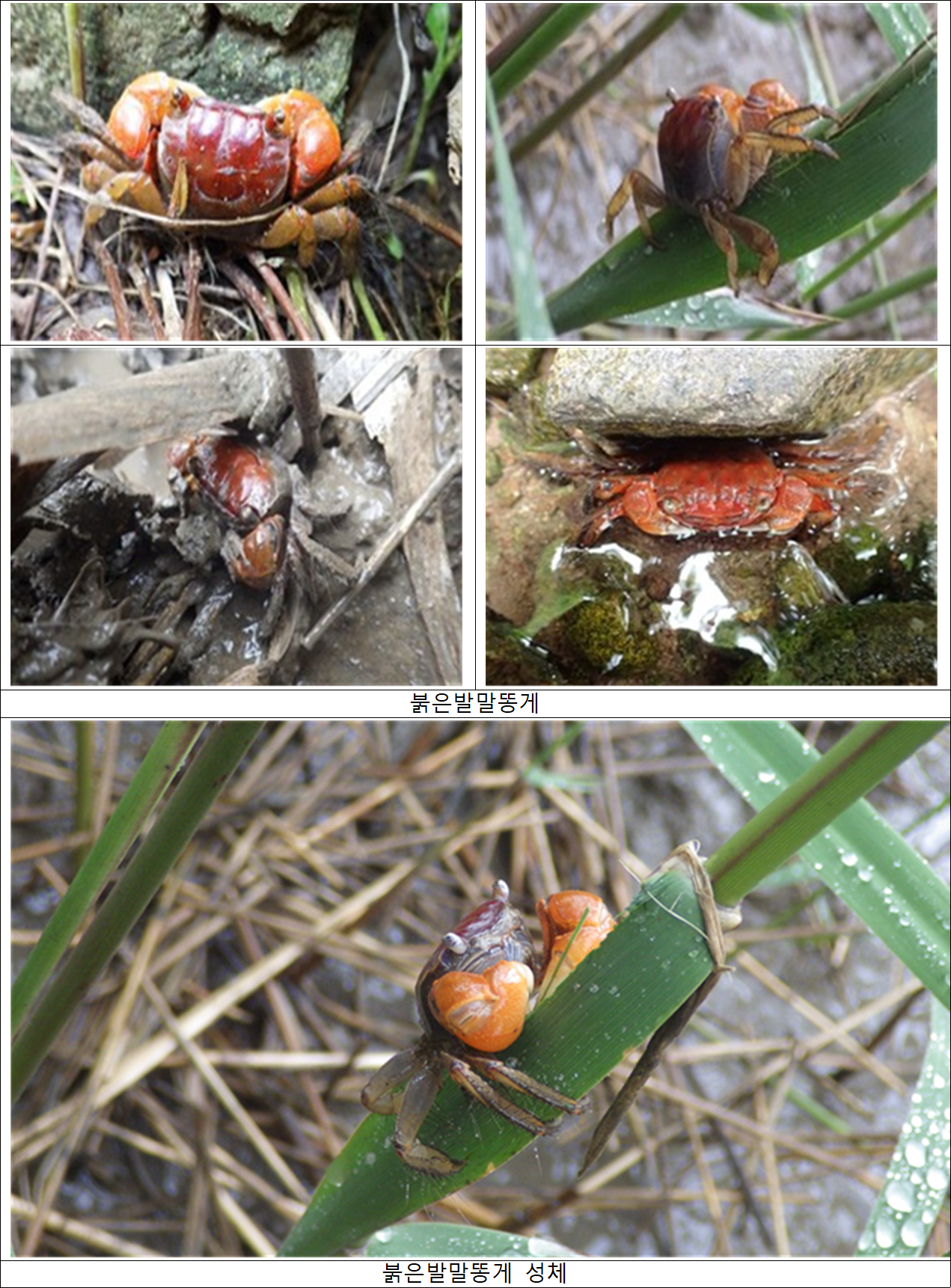
The red-clawed fiddler crab is distinguished by its reddish claws and measures roughly 3 centimeters in carapace length and 3.5 centimeters in width. The species inhabits stone walls and grassy areas near estuaries and coastal wetlands along the Yellow Sea, the South Sea and Jeju Island.
Once commonly sighted, the crab's population plunged as coastal development destroyed its habitat. It is now designated both a marine protected species and a Class II endangered wild species under South Korean law.
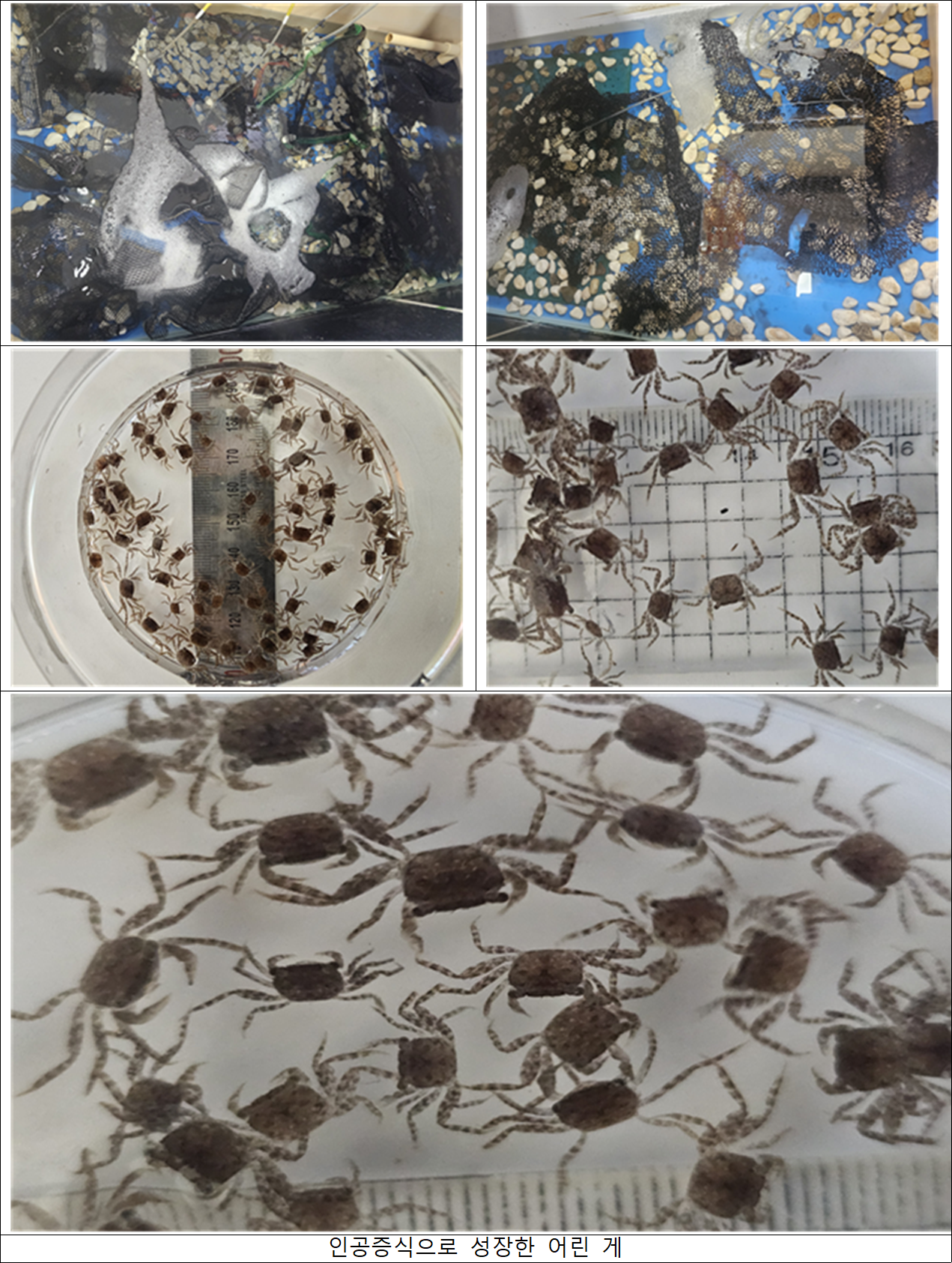
The individuals to be released were raised to adulthood through indoor captive breeding by a joint research team from the National Marine Biodiversity Institute of Korea and Gunsan University. The release is notable in that it applies the breeding results — secured through the ministry's ex-situ conservation institution support project — directly to the restoration of natural habitats.
The Bongam tidal flat, where the crabs will be released, was designated a wetland protection zone in 2011. It is considered a suitable habitat for the species, with salt-tolerant plants such as reeds and a steady inflow of fresh water.
The ministry expects the release to contribute to expanding the wild population of the red-clawed fiddler crab and to bolstering biodiversity at the Bongam tidal flat.
"Restoring marine protected species requires simultaneous efforts to breed individuals and to protect the habitats where they can survive," said Kim Hyeon-seong, director of the ministry's marine ecology division. "We will continue to actively support ex-situ conservation institutions so that their breeding achievements can translate into greater marine biodiversity."
adastra@heraldcorp.com




