From Mapo-gu's salted shrimp festival to Gangnam's K-pop extravaganza, Seoul's district festivals draw crowds by leaning into local history, culture and nature — with more events lined up this fall
Festival season is in full swing across Seoul.
Gangnam-gu's 2026 Gangnam Festival and Seocho-gu's Seoripul Festival both drew large crowds in recent weeks. Mapo-gu's salted shrimp festival runs Friday through Sunday, followed by Songpa-gu's Hanseong Baekje Cultural Festival and Gangdong-gu's Gangdong Prehistoric Culture Festival.
What sets Seoul's signature festivals apart is a clear, distinctive theme rooted in each district's history, culture and character. Success is not simply a matter of drawing large numbers — a festival must tell a story that belongs to its neighborhood and give people a reason to return.
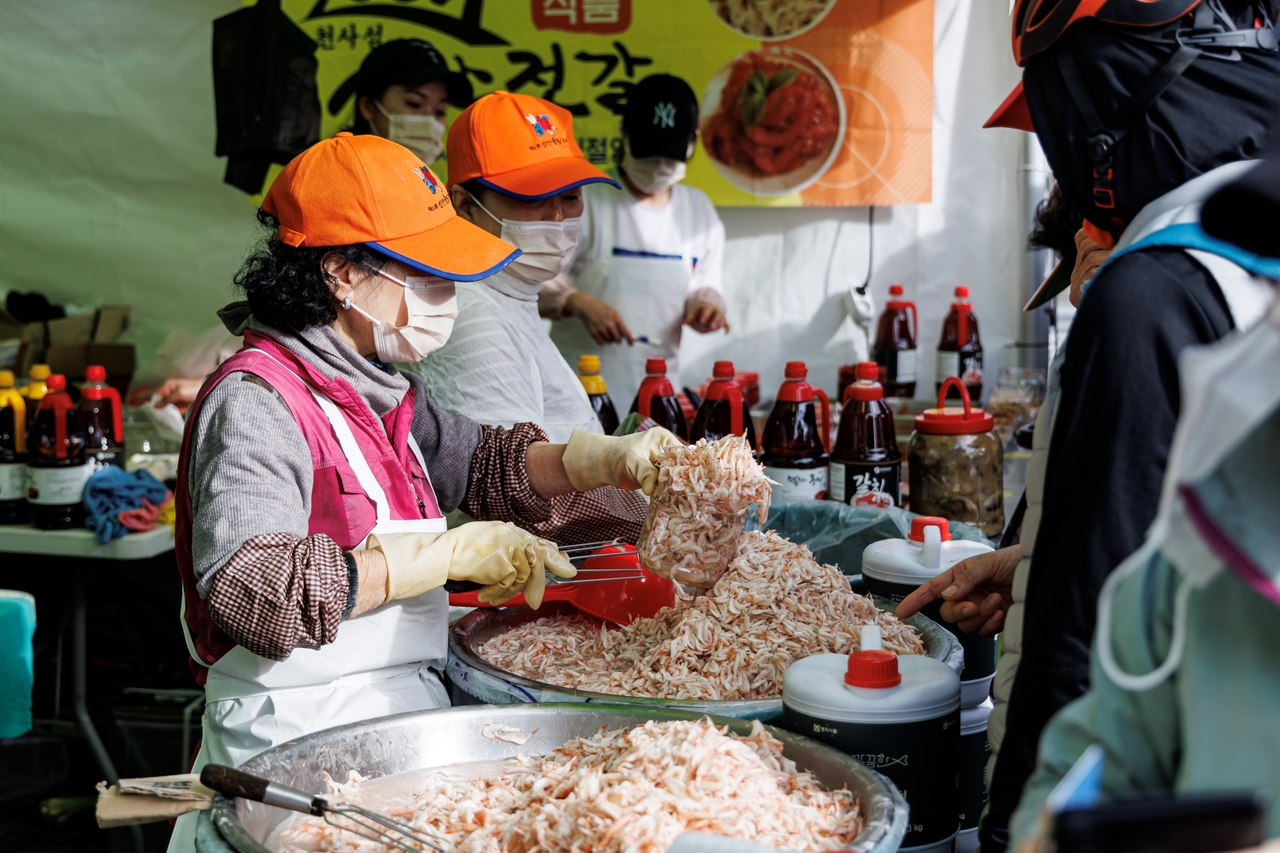
The 19th Mapo Naru Saeujeot Festival runs Friday through Sunday at World Cup Park's Peace Plaza in Mapo-gu. It has grown into one of the city's defining kimchi-season events, drawing on the historical role of the old Mapo Naru wharf as a hub for salt and salted shrimp.
Middle-aged visitors and seniors come to buy quality salted shrimp and enjoy seasonal seafood such as gizzard shad, while trot music performances by well-known singers add to the festive atmosphere.
Now in its 19th year, however, the festival may be ready for its next chapter. Organizers could strengthen content that brings the history and culture of Mapo Naru to life more vividly, moving beyond the current formula of shrimp sales, food stalls and concerts. Broadening the program to appeal to younger visitors and foreign tourists would sharpen the festival's competitive edge.
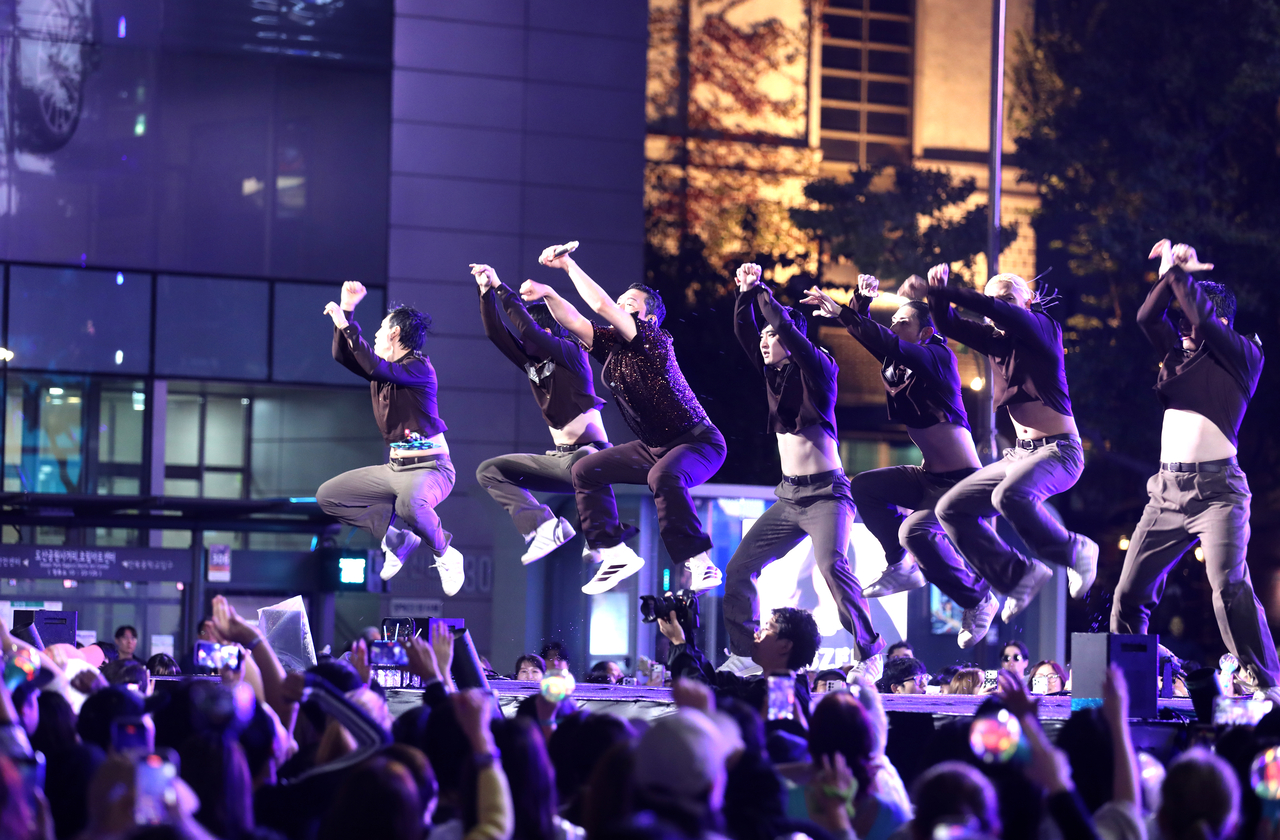
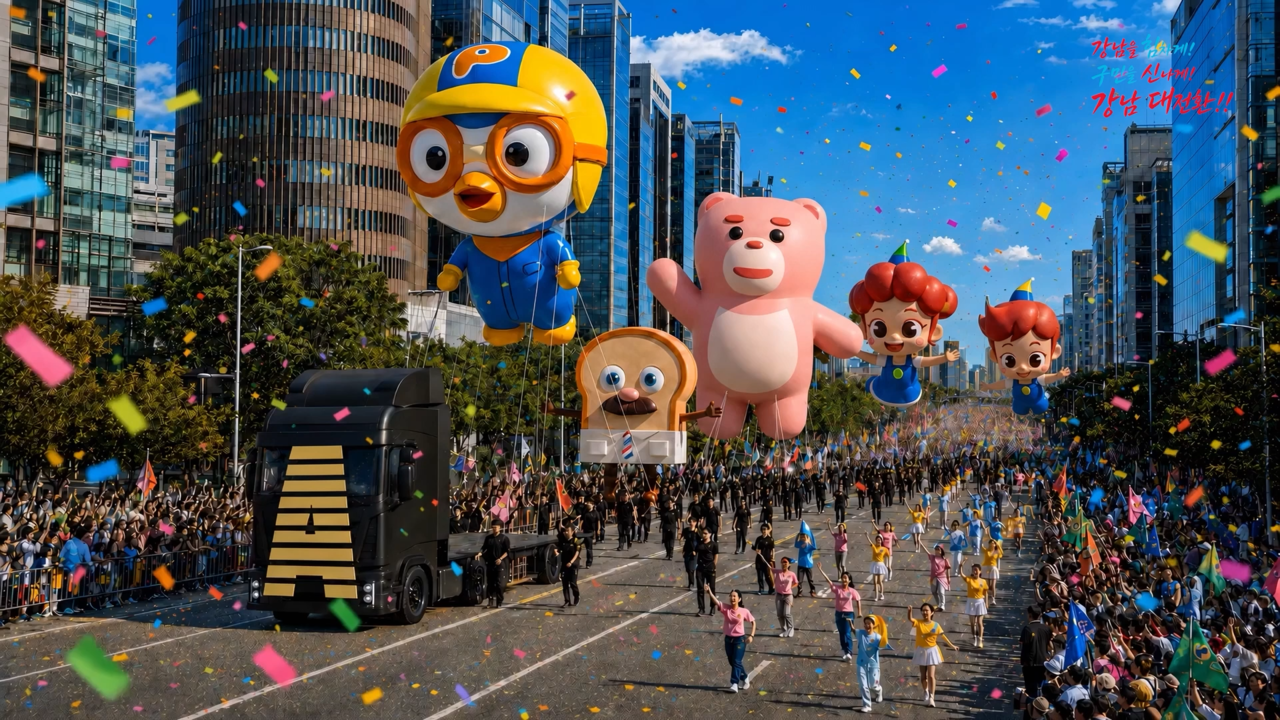
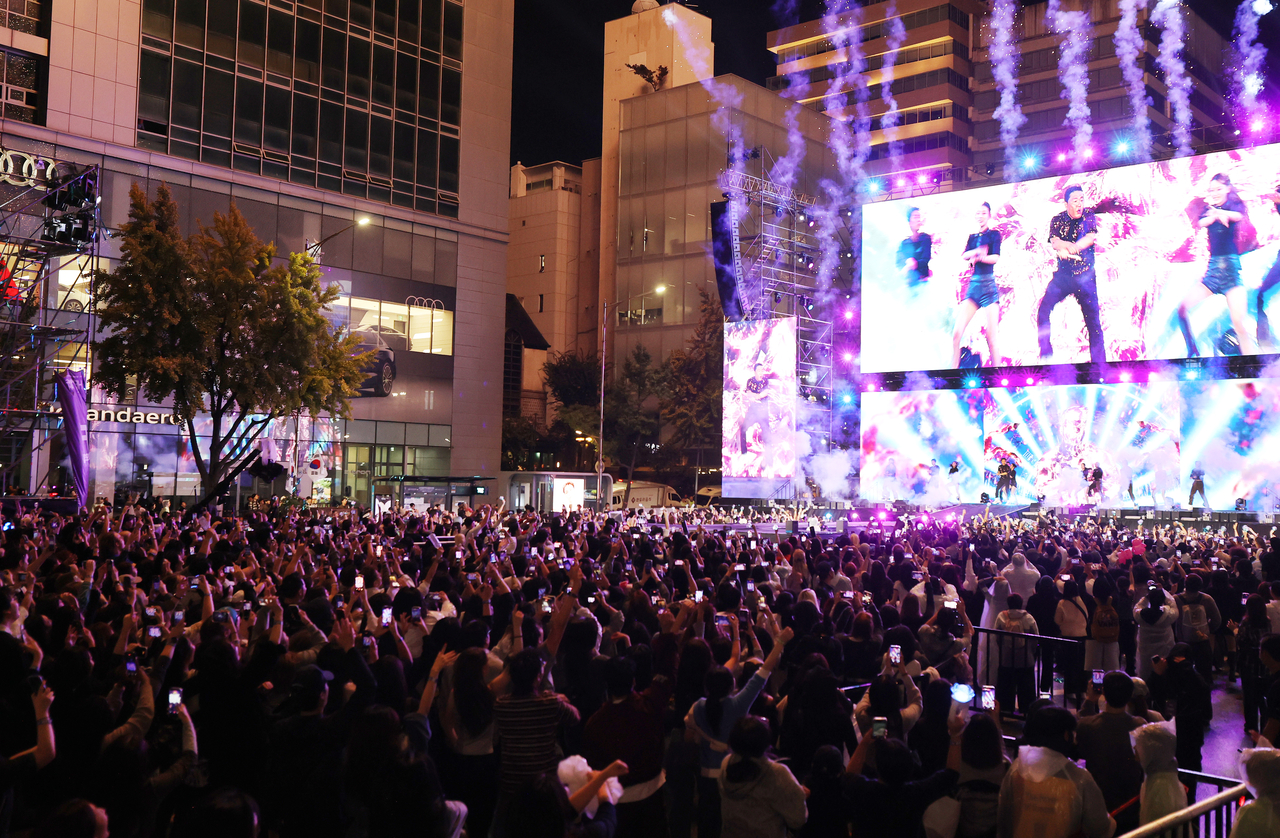
The 2026 Gangnam Festival, held along Dosan-daero from Thursday through Saturday, offered a different model of success. A grand parade and K-pop concerts put Gangnam's urban brand on display for domestic and international audiences alike. The K-pop concert on Saturday alone drew roughly 150,000 people, including a large contingent of foreign tourists.
The strategy of pairing Gangnam's city image with K-pop — a globally recognized cultural product — proved a powerful draw. It showed that when a festival connects local identity to a worldwide cultural trend, it can grow from a neighborhood event into a destination for international visitors.
Jungnang-gu's Seoul Rose Festival, held every May, is another example of a festival that has built its reputation on a clear theme. Set along the Jungnangcheon stream when roses are in full bloom, it draws residents eager to enjoy flowers and nature. Performances by popular singers, hands-on activities and rose-themed merchandise sales have also given a boost to the local economy.
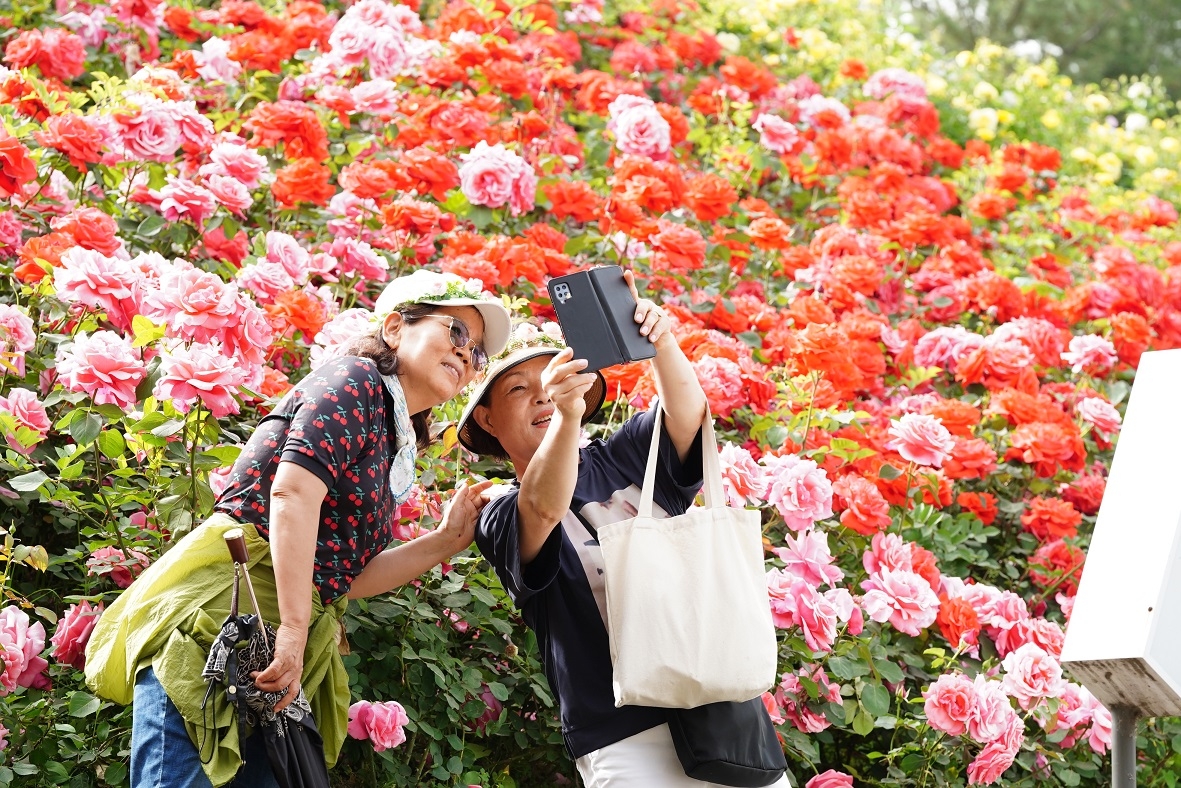
The festival's foundation was laid over years of planting and tending roses along the stream — a sustained effort by Jungnang-gu that gradually became a community asset. A festival's staying power ultimately depends on how long and how carefully a district has cultivated what makes it unique.
Across Seoul's other districts, a wide range of themed festivals compete for attention. Nowon-gu hosts an azalea festival, a dance festival and a craft beer event, while Yeongdeungpo-gu and Dongdaemun-gu each hold beer festivals — all drawing on familiar crowd-pleasers such as flowers, dancing and food.
Festivals built around local history and historical figures are equally prominent. Gangseo-gu's Heo Jun Festival, Gwanak-gu's Gang Gam-chan Festival, Songpa-gu's Hanseong Baekje Cultural Festival and Gangdong-gu's Gangdong Prehistoric Culture Festival all transform historical figures and cultural heritage into festival content, naturally introducing residents to their district's identity and past.
A strong theme alone, of course, does not guarantee success. Organizers must continuously refresh their programs to give returning visitors something new. Getting the basics right — transport, safety and amenities — is essential, as is thinking about ties to the local economy, tourist attraction and the lasting brand value a festival can leave behind.
Above all, districts should resist copying what neighboring festivals do and instead look for distinctive material in their own history, culture, natural environment, industries and notable figures. Big-name singers and large-scale performances help fill a venue, but they are not enough on their own to build a festival people want to return to year after year.
Theme is both the starting point and the lifeblood of a festival. When local stories are combined with fresh content that reflects the spirit of the times, a festival becomes more than a one-off event — it becomes an asset that raises a district's profile and competitiveness.
Seoul's autumn festivals have the potential to delight residents, elevate the value of their neighborhoods and grow into world-class events that draw visitors from across Korea and beyond.
seouldream01@heraldcorp.com