Korea's first naturally bred red panda twins, Maru and Marong, make their public debut
Starting Oct. 14, the twins will meet visitors for the first time, growing healthily alongside their mother, Rian
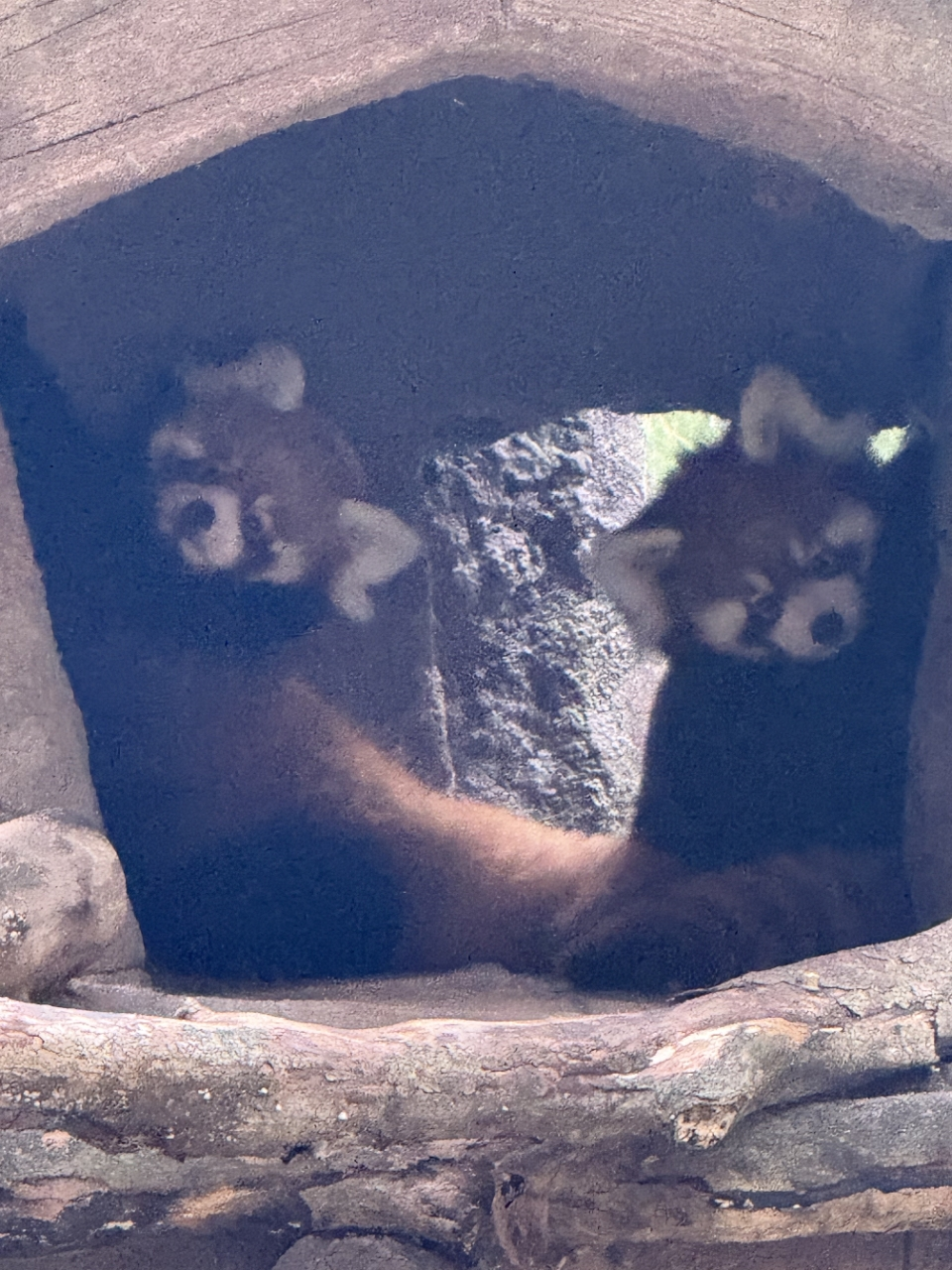
Seoul Grand Park will open Korea's first naturally bred red panda twins — a brother and sister named Maru and Marong — to the public starting Wednesday.
The park moved up the twins' public debut ahead of its original schedule. Born on June 19, the pair have grown healthily under the care of their mother, Rian, and recently began venturing outdoors, signaling they are ready to meet visitors.
The twins are the first red pandas ever successfully bred through natural reproduction at a Korean zoo. Their father, Rabi, arrived at Seoul Grand Park in 2023 from the Calgary Zoo in Canada through the AZA Species Survival Plans (SSP), while their mother, Rian, came from Tama Zoological Park in Japan the same year under a red panda conservation memorandum of understanding between KAZA and JAJA.
The twins' names were chosen through a public naming campaign conducted via social media to reflect visitor interest and participation. The female was named Marong and the male Maru.
Marong's name expresses a wish that she will embrace the world with a warm and generous spirit, like a full and plentiful chestnut. Maru's name carries the hope that he will be a cherished and exceptional presence who brings comfort and love to many.
The cubs are currently expanding their range by following their mother Rian between indoor and outdoor spaces. They are learning a variety of behaviors — walking, climbing trees and descending — and are gradually adapting to new surroundings as they make occasional forays into the outdoor enclosure.
However, red pandas are nocturnal and may be less active during the day, so visitors might not always catch a glimpse of the cubs. They tend to be most active in the early morning and after 4 p.m., which visitors should keep in mind when planning their trip.
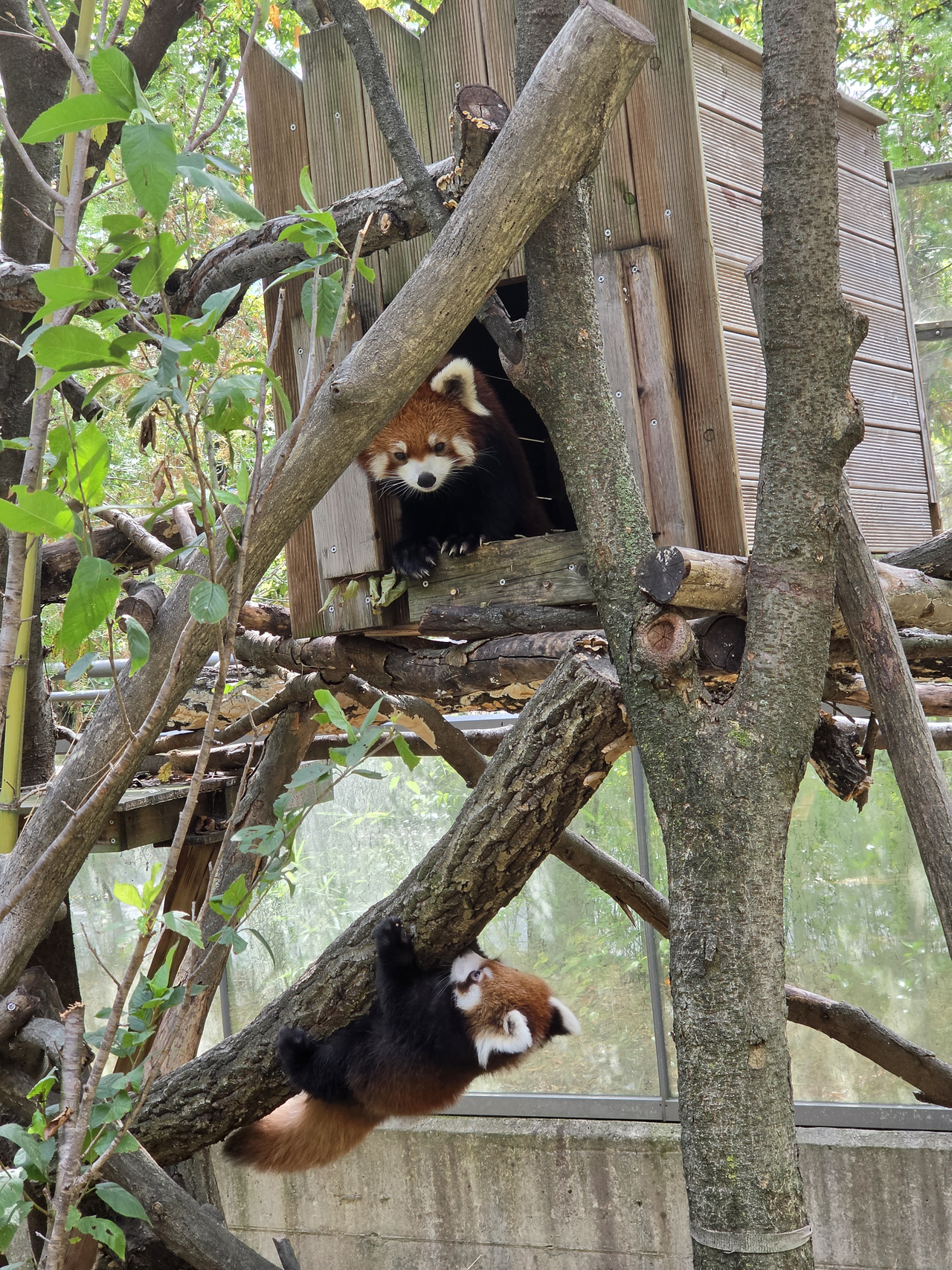
Seoul Grand Park plans to gradually expand public access as the cubs settle into their new environment, closely monitoring their health and behavioral changes to ensure a stable adjustment.
Keepers are devoting special attention to the health management of Rian and her cubs, as well as to creating a suitable indoor environment to support the twins' healthy development.
Rian, who is still nursing, receives a nutritionally enriched diet, with her health and weight monitored on an ongoing basis while keepers work to minimize stress from external stimuli. The cubs, which are vulnerable to disease, have received the necessary vaccinations, and both have now surpassed 1 kilogram in weight, a sign of healthy growth.
Keepers have also laid pine chips on the floor and hand-built modular play structures of varying heights to give the cubs a safe and stimulating indoor space. The setup allows the twins to move naturally, practice climbing and develop a range of behaviors.
Seoul Zoo Director Yeo Yong-gu said the park plans to allow the red pandas to enter and exit their enclosure at will to protect their health, given the animals' sensitivity to noise. He asked visitors to refrain from tapping on the viewing windows, making loud noises or pressing too close, warning that such behavior can cause the animals stress. "We will continue to work not only for the conservation and breeding of the red panda cubs, but also for other endangered species," he said.
seouldream01@heraldcorp.com