City highlights transit wins, new town planning and civic outreach at 100-day mark
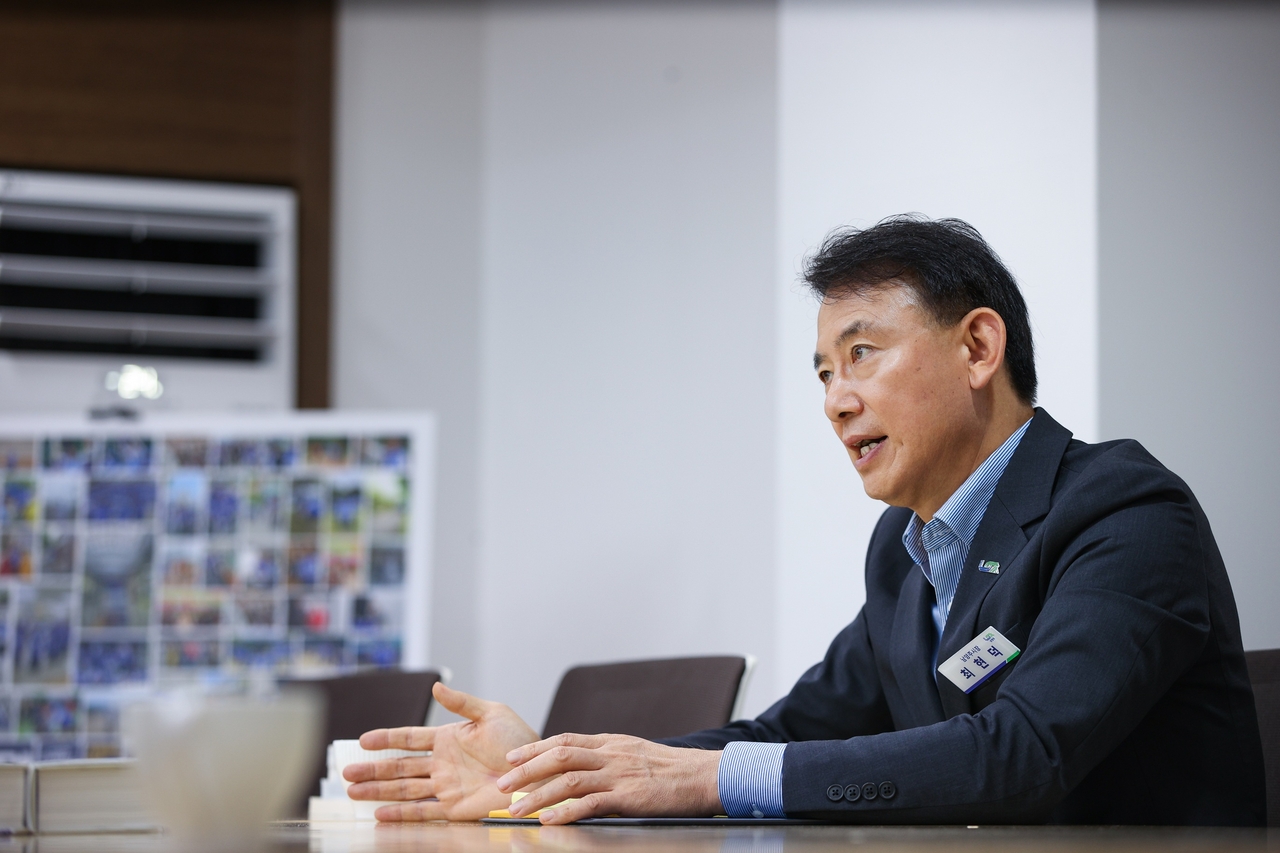
"Over the past 100 days, I have traveled to the central government, the National Assembly and communities across Namyangju to tackle the city's challenges."
Namyangju marked the 100th day of its ninth elected administration Thursday, releasing a summary of key achievements and priorities for the months ahead.
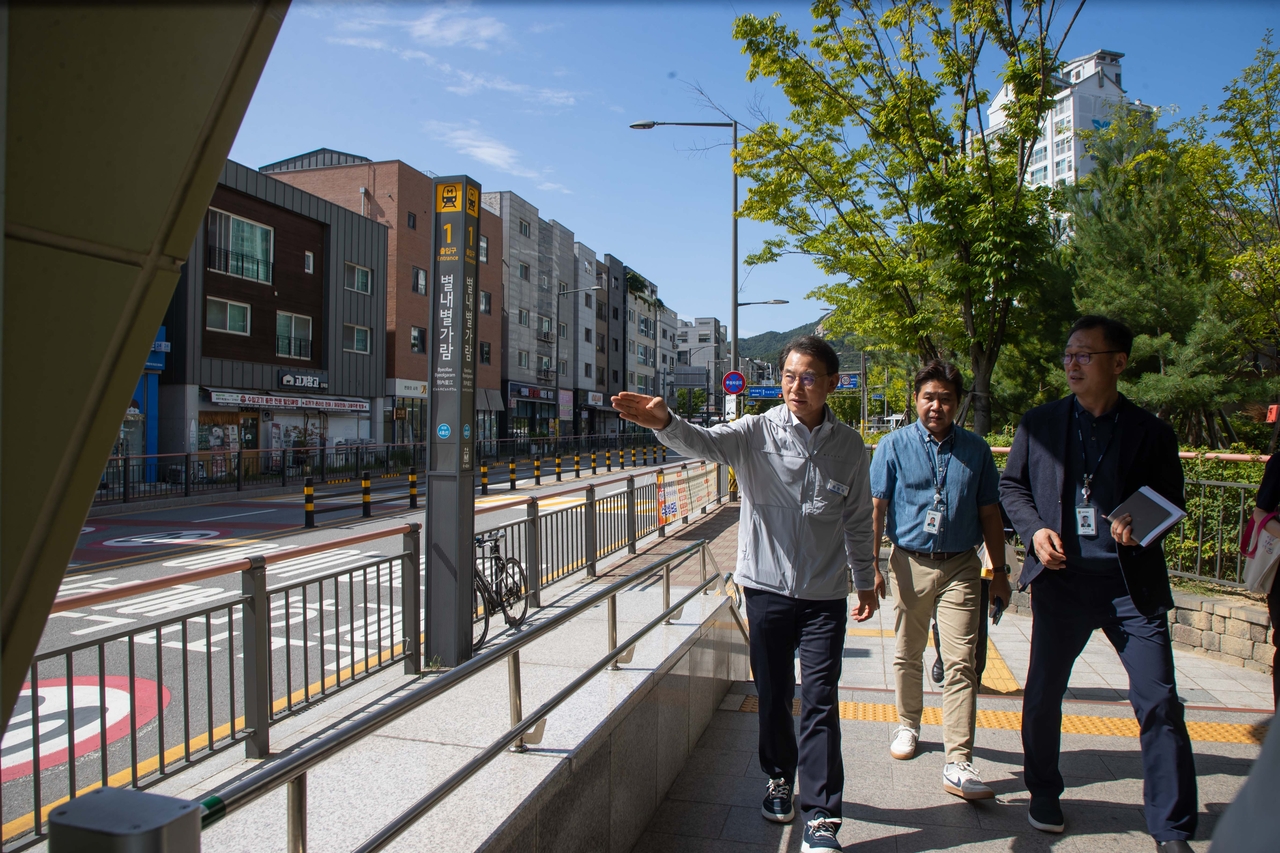
Since taking office, the administration has pushed to expand the city's transit network, securing the selection of the Byeollae Line extension for a preliminary feasibility study and winning approval for National Local Road 86 under a batch feasibility review.
The city also held preliminary consultations with the Ministry of Land, Infrastructure and Transport over a new public housing site in the urban core, successfully incorporating its demands — including a preemptive metropolitan transportation plan and the creation of an agricultural biotechnology cluster — into the government's announcement.
Through on-site mayoral offices set up across all 16 towns and townships, the city collected 347 resident proposals.
For issues the city can resolve on its own, officials sought answers in the field. For matters requiring central government decisions, the administration worked to persuade ministries and the National Assembly to move projects forward.
Namyangju pushes central government — Byeollae Line feasibility study selection among early wins
Mayor Choi Hyun-deok's first official visit to a central ministry after taking office was a meeting with Ministry of Planning and Budget Minister Park Hong-keun, at which he outlined key priorities — including a public medical center for the northeastern Gyeonggi Province region, the Byeollae Line extension, a Line 6 extension to Namyangju and National Local Road 86. He also called for an expansion of local allocation tax funding.
He then asked the Ministry of Interior and Safety for special local allocation tax support for river improvement projects and a broader local allocation tax base, and urged the Ministry of Health and Welfare to expedite administrative procedures for the northeastern Gyeonggi public medical center.
In late July, Choi met Kim Yong-seok, chairman of the Metropolitan Area Transportation Commission, to request the Byeollae Line extension, adjustments to the Line 9 extension route and the addition of new stations, extensions of Lines 3, 6 and 8, and a metropolitan road linking Nowon to Namyangju.
Some of the transit issues the city had been pressing the government on showed concrete progress.
The Byeollae Line extension project — which would connect Byeollae Station on Line 8 with Byeollae Byeolgaram Station on Line 4 — was selected in August as a target for the Ministry of Planning and Budget's second round of preliminary feasibility studies for 2026. The city is continuing its efforts to secure final approval.
On the same day, the National Local Road 86 project covering the Wabu–Hwado 2 section also passed the sixth national and local road construction plan's batch feasibility review. The project involves improving 5.2 kilometers from Wolmun-ri Junggwang Village intersection in Wabu-eup to Chasan-ri in Hwado-eup and constructing a 910-meter tunnel through Sureneogeogae Pass, breaking a long-standing deadlock on a key local transportation issue.
Other matters still await government decisions and administrative procedures, including extensions of Lines 3 and 6, the inclusion of new GTX routes in national plans, the timely opening of Line 9 and the northeastern Gyeonggi public medical center.
In August, Choi asked the minister of land, infrastructure and transport to draw up a metropolitan transportation plan for the new public housing site and the Wangsuk new town. In September, he met Democratic Party of Korea policy chief Kwon Chil-seung to request support for incorporating rail network plans into national planning and for easing the local fiscal burden of long-term care benefits.
'Transit first, residents second' — new town development aimed at a self-sustaining city with jobs
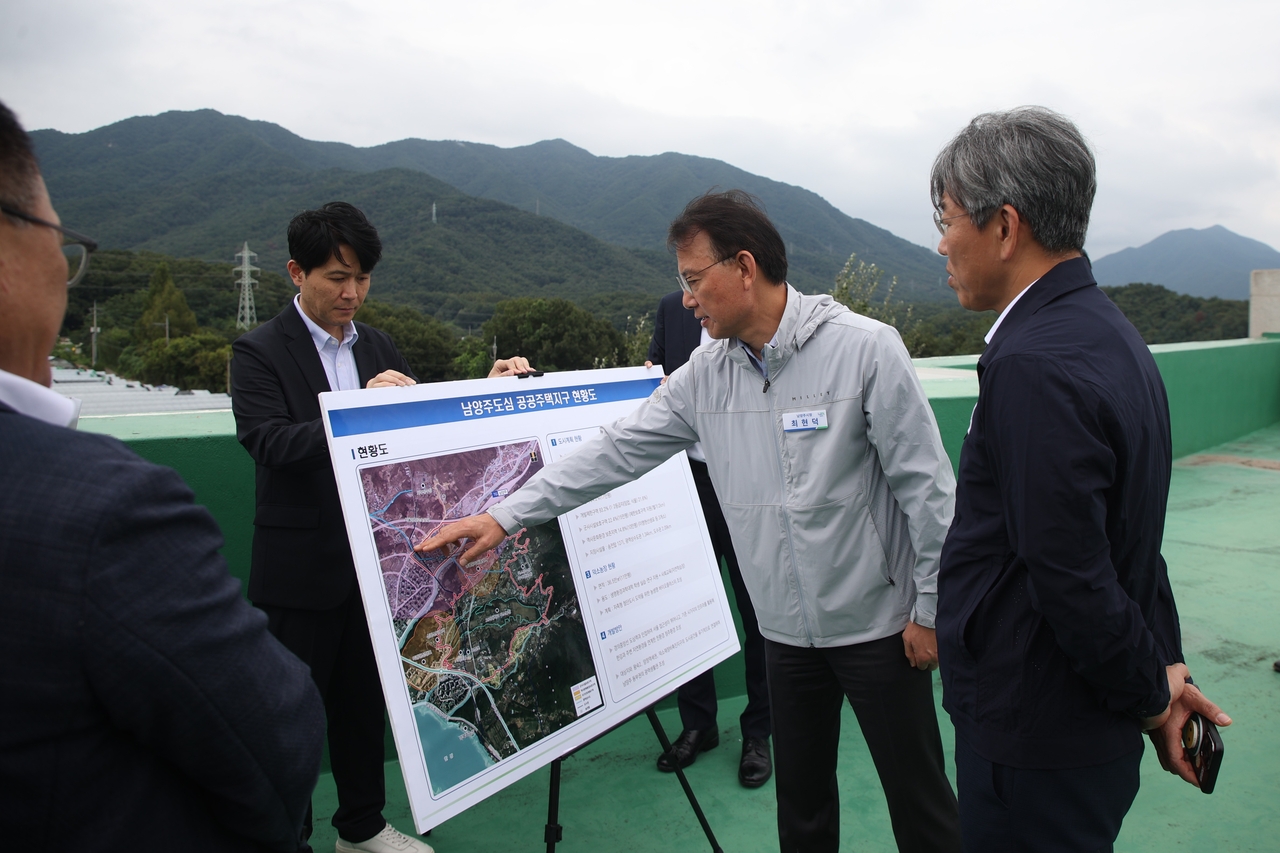
As development of the Wangsuk new town and the new public housing site accelerates, securing self-sustaining functions has emerged as a central challenge.
The government announced in August a new public housing site of 2.28 million square meters in the Dogok-ri area of Wabu-eup, Namyangju, with a planned 21,700 units. Existing development projects — including the Wangsuk and Wangsuk 2 districts, the Jinjeop 2 district and the Yangjeong transit-oriented area — are also proceeding simultaneously.
Immediately after the announcement, Namyangju put forward a "transit before move-in" principle, pledging to build out metropolitan transportation links and an industrial and employment base alongside the housing supply.
The city is particularly focused on functionally integrating the new public housing site with the existing Wangsuk new town.
An urban advanced industrial complex of about 1.2 million square meters is being developed in the Wangsuk district, with a target completion date of 2032. The city plans to build an industrial ecosystem centered on future industries — AI, IT and advanced manufacturing — while linking the new public housing site in the Wabu area to an agricultural biotechnology industrial base.
Efforts to attract businesses and support local companies' overseas expansion have also grown. In September, the city met with KOTRA's northern Gyeonggi Province branch to discuss helping local firms enter overseas markets and to explore corporate investment attraction centered on the Wangsuk district.
The city plans to pair large-scale housing supply with expanded metropolitan transportation and an industrial and employment base to strengthen the self-sustaining capacity of both Wangsuk and the new urban public housing site.
Public medical center, local finances — city calls on government for systemic reform
Beyond infrastructure issues such as transportation and roads, Mayor Choi has actively raised fiscal, welfare and regulatory concerns with the central government and the National Assembly.
The most prominent issue is the public medical center for northeastern Gyeonggi Province.
In July, Choi met Health and Welfare Minister Jeong Eun-kyeong to explain the state of medical access across the Namyangju, Guri, Gapyeong and Yangpyeong area, and to request government support — including swift action on the public medical center and an expedited feasibility review.
The city believes medical demand in northeastern Gyeonggi Province will grow further once population increases from the Wangsuk new town development are factored in.
The city has also raised with the government and the National Assembly the issue of the local fiscal burden stemming from long-term care benefits for medical aid recipients.
Under the current structure, long-term care benefits for medical aid recipients are funded entirely by provincial and municipal budgets, with no national government contribution. The city argues that areas with a high concentration of care facilities face a disproportionately heavy fiscal burden, and is calling for legal and institutional reforms to expand the national government's share.
The city has also brought public attention to the reduction in local allocation tax resulting from the central government's creation of a future response fund.
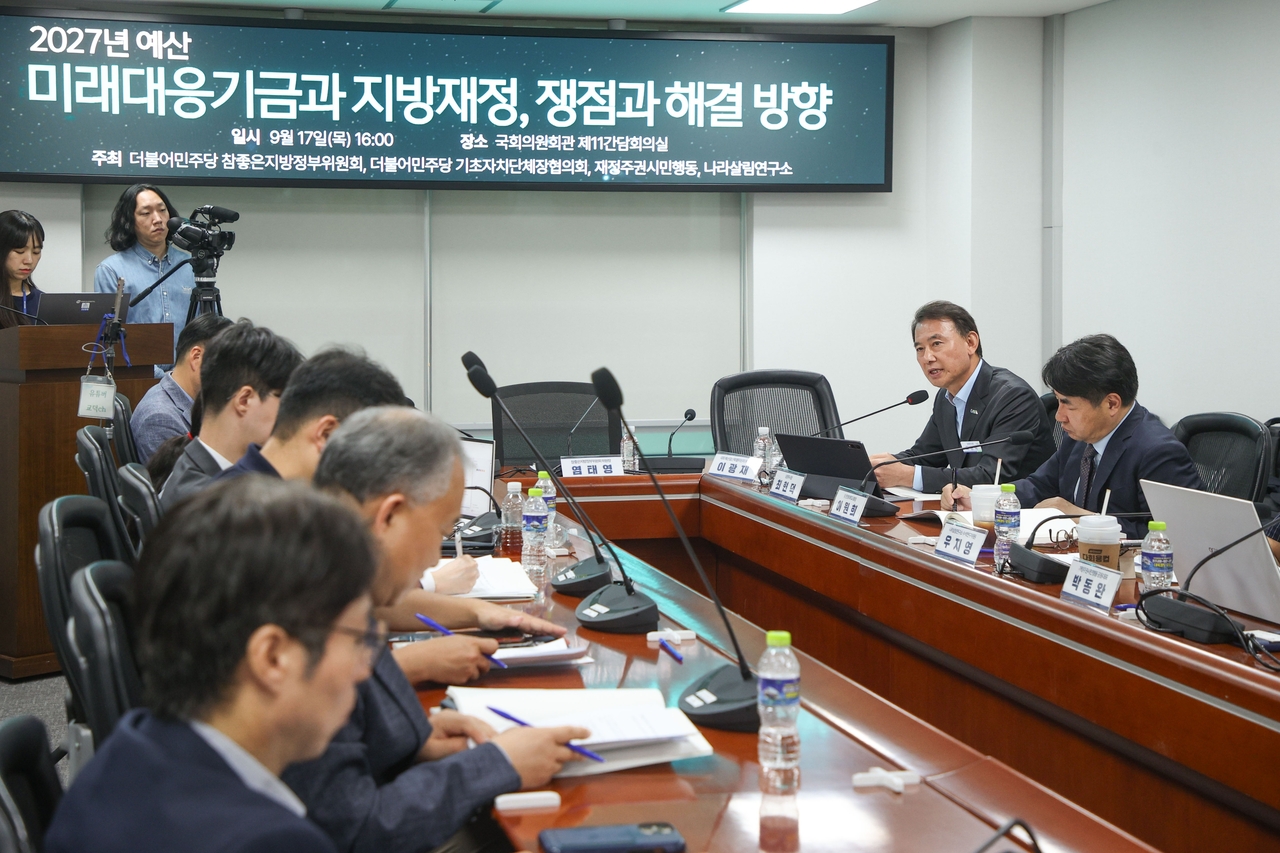
In September, Mayor Choi participated as a local government representative at a National Assembly seminar analyzing the government budget, proposing that local allocation tax funding be guaranteed as a priority and that any shortfall caused by the new fund be separately compensated.
The city's approach is to address issues ranging from the public medical center and long-term care financing to local allocation tax not as isolated projects but through reforms to government systems and fiscal structures.
From on-site mayoral offices to a direct text line — city widens channels for civic engagement
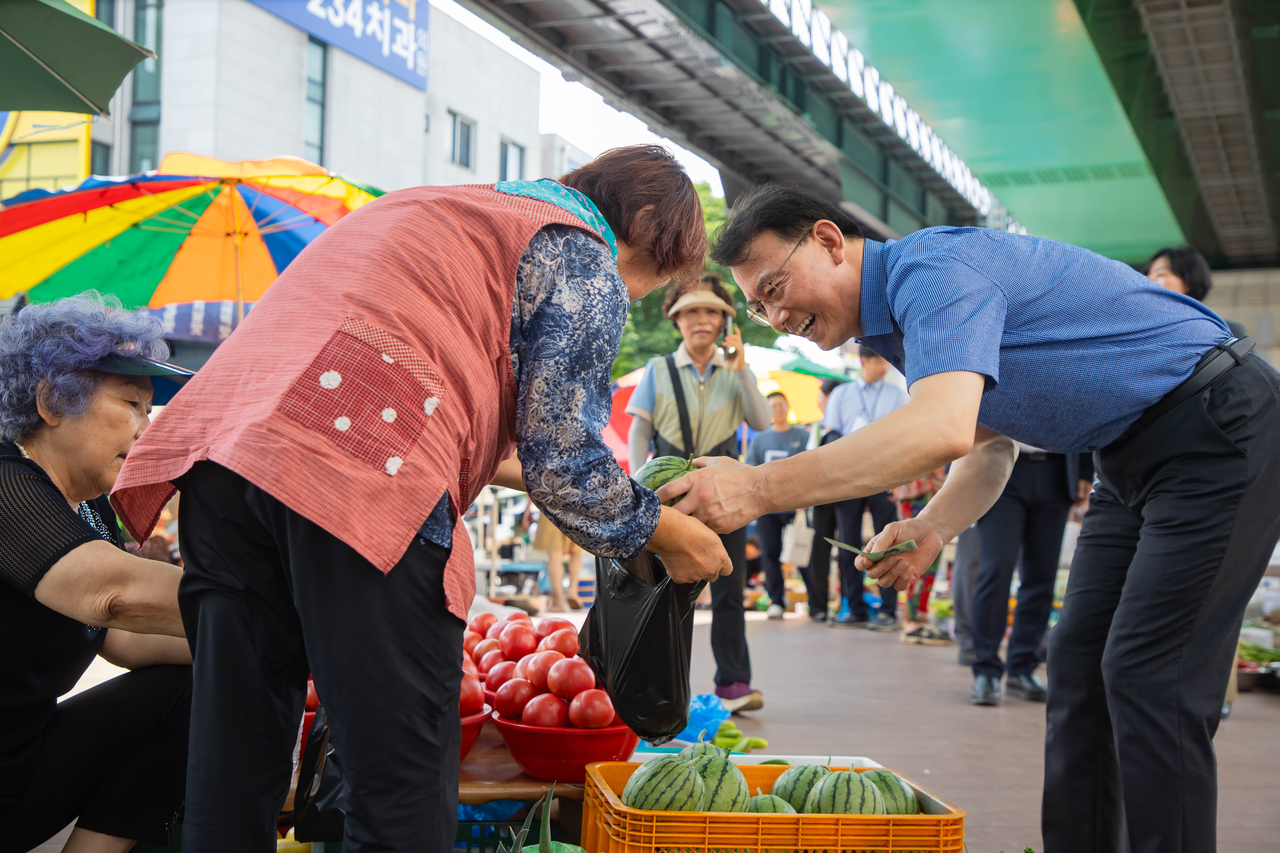
While coordinating with the central government and the National Assembly, the mayor also maintained direct engagement with residents in the field.
The ninth administration's on-site mayoral office program launched July 16 in Jinjeop-eup. Under the format, the mayor travels to a local community office, receives briefings on area issues, tours key sites and then holds a conversation with residents. The first round concluded Sept. 22 in Toegyewon-eup, completing visits to all 16 towns and townships over roughly two months.
During the first round, the mayor visited 36 key sites, and 822 residents took part in associated meetings.
A total of 347 proposals were submitted covering everyday inconveniences and local issues — ranging from long-standing concerns such as metropolitan rail and roads to more immediate matters including school commute routes, parking, parks, waterways and living environment improvements.
A separate program called "Let's Meet the Mayor" also ran in parallel, allowing residents to meet directly with the mayor at city hall. It began July 15 and operates as a joint session with the mayor and relevant departments to work through long-unresolved complaints and issues involving competing resident interests.
A direct text message service for residents who find it difficult to meet in person has been in operation since Aug. 24. Residents can send complaints or policy suggestions by text, and the relevant department handles the matter and provides step-by-step updates on progress. Major complaints are reported to the mayor the following day and tracked through to resolution.
Beyond direct public engagement, the city has also opened up its administrative processes. The existing senior staff meeting was restructured as a "city affairs issues meeting" and broadcast live; it has since expanded into a monthly "city affairs issues forum" where experts and civic groups discuss key priorities together.
From 'constitution-friendly city' to 'basic society' — policy institutionalization moves in parallel
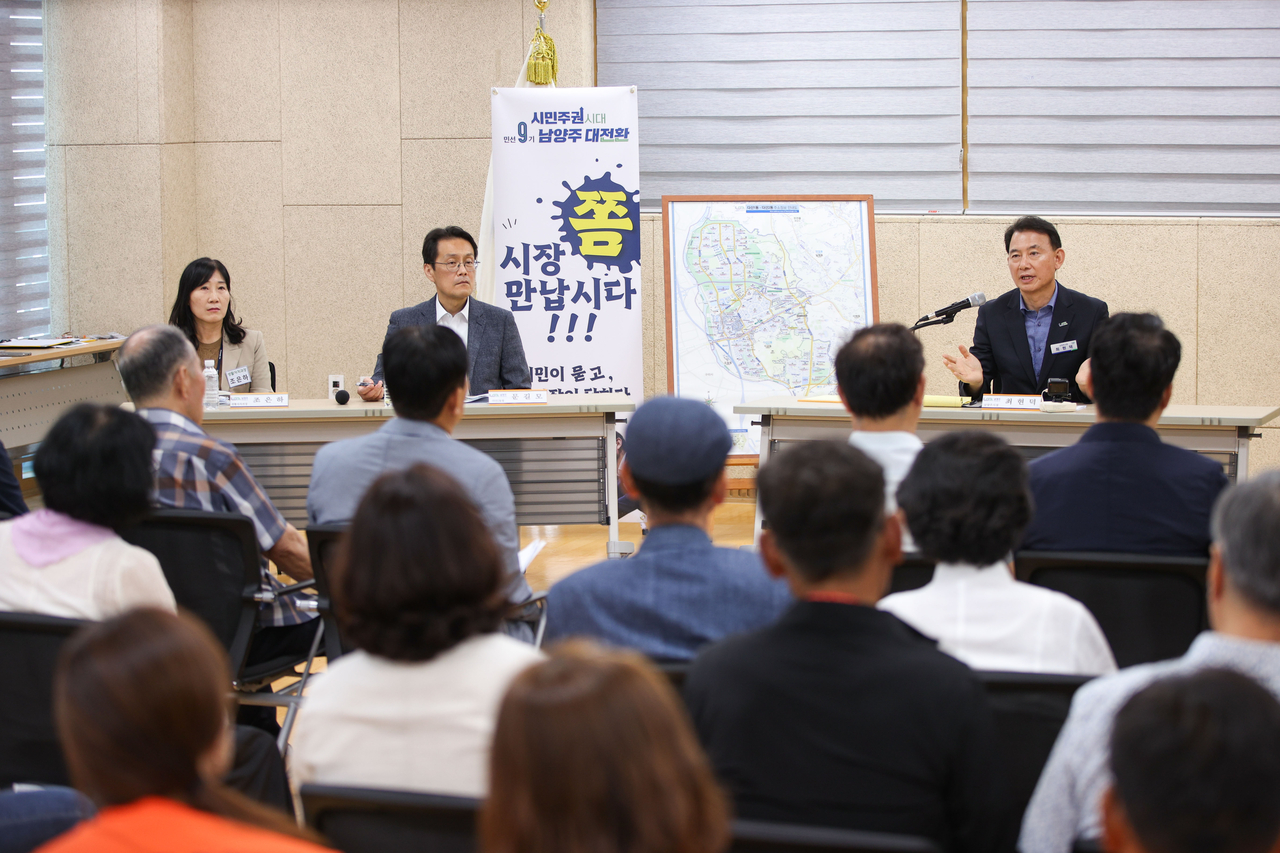
Work has also proceeded to enshrine key policy directions in municipal ordinances.
On his first day in office, Mayor Choi signed off on a plan to enact a foundational ordinance for realizing Namyangju as a "constitution-friendly city," making it his first official act. In August, the city gave advance public notice of a draft "basic society ordinance" aimed at translating citizens' fundamental living conditions — covering housing, mobility, care and the economy — into concrete policy.
Over the 100 days, some issues advanced through government procedures, but many steps remain before they translate into actual projects.
The Byeollae Line extension must still pass its preliminary feasibility study, while the Line 3 and 6 extensions and new GTX routes await a decision on inclusion in national plans. The northeastern Gyeonggi public medical center must also clear government administrative procedures. The Wangsuk urban advanced industrial complex and the new public housing site still need to finalize corporate attraction strategies and metropolitan transportation plans.
Having spent the first 100 days in government consultations and community engagement, the administration now faces the task of translating those efforts into concrete projects and institutional change.
"To usher in an era of citizen sovereignty, I have spent the past 100 days going wherever it took — the central government, the National Assembly, communities across Namyangju — to solve the city's problems," Mayor Choi said. "Many projects are still in their early stages, so I will keep working with the government and deliver results one by one so that residents can feel the change. I ask for the warm encouragement and support of our 740,000 citizens as we work toward a great transformation of Namyangju."
pjh@heraldcorp.com