District seizes and sells trust-held property of delinquent developer, recovering 1.42 billion won in full
Gangnam-gu standardizes collection method into case database for ongoing enforcement
District pushes for regulatory reform requiring advance notice before trust property sales
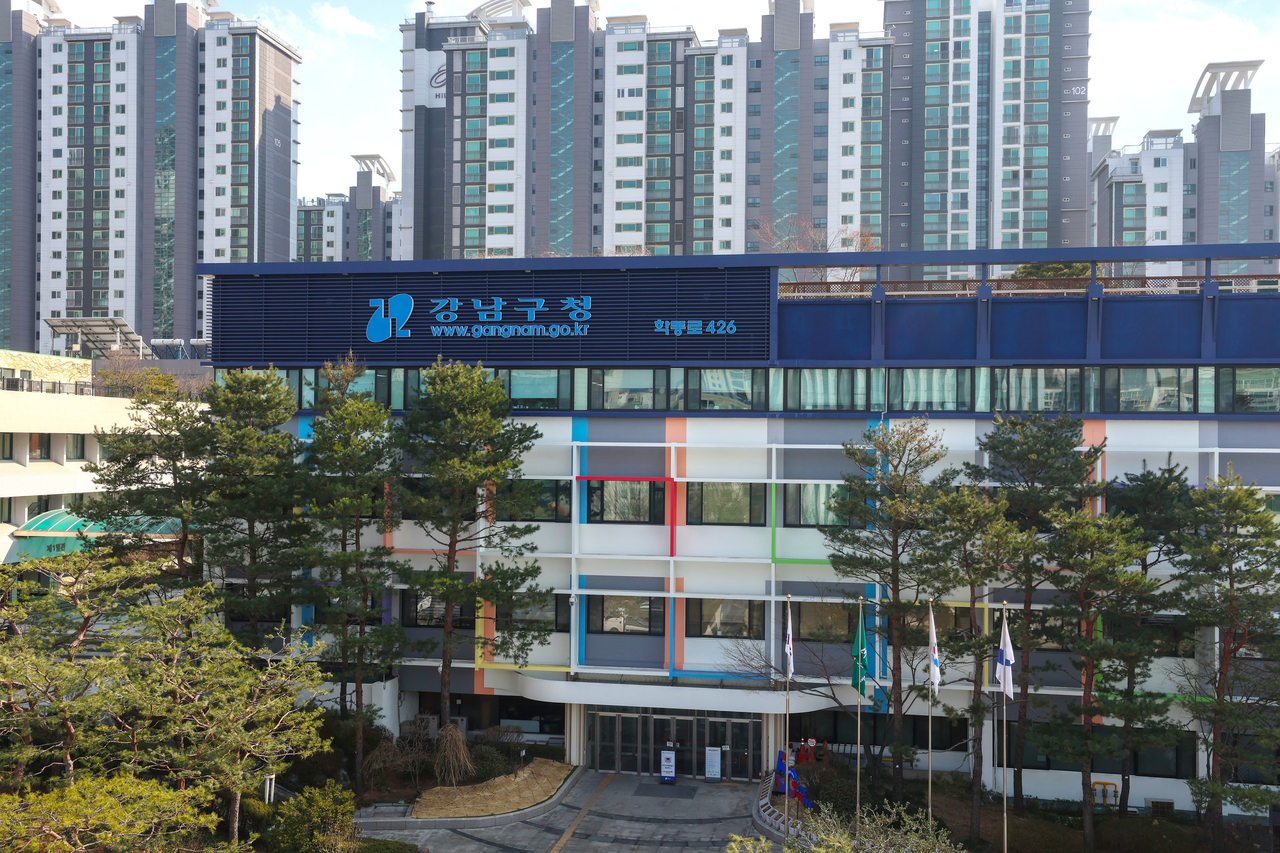
Gangnam-gu has recovered 1.42 billion won ($1.04 million) in unpaid property taxes in full from a real estate development firm that had placed its assets in a trust to shield them from collection.
The district plans to standardize the collection method used in this case for future high-value delinquencies and to push for regulatory changes that would require advance notice to local governments before trust-held properties are sold.
In real estate development, it is common practice to establish a separate special purpose company (SPC) for a project and place the development property in a trust. Once a property is placed in trust, however, the registered owner on the title deed changes from the development firm to the trust company. That makes it difficult for authorities to seize the property and recover unpaid taxes through conventional means, even when the developer falls behind on payments.
Trust companies are also under no legal obligation to notify local governments before selling trust-held properties, meaning a property can be disposed of before delinquent taxes are secured. This has made trust-held real estate a blind spot in local tax enforcement.
Gangnam-gu tracked down the trust-held property of a tax-delinquent real estate developer and successfully completed collection on Aug. 27. The district first designated the trust company as a "material taxpayer" — a legal mechanism that imposes a tax payment obligation on the trust company with respect to the trust-held property — and placed the property under seizure. Officials then conducted a detailed analysis of the property's legal encumbrances and persuaded the trust company to proceed with a sale. As a result, the district recovered the full 1.42 billion won that had previously proved uncollectable.
The material taxpayer designation is a legal mechanism that, when an original property owner fails to pay taxes, imposes a tax obligation on the trust company in relation to the trust-held asset under conditions set by law. It does not require the trust company to pay all of the delinquent party's taxes outright; rather, it allows authorities to secure unpaid taxes through the trust-held property itself.
The district intends to preserve the lessons of this case beyond the experience of the individual civil servants involved, making them available for similar delinquency cases going forward. The collection process and methods will be compiled into an advanced collection case database so that the same approach can be applied consistently regardless of staff turnover. The district will also continuously monitor the status of trust-held properties with outstanding taxes and whether they are being sold, and will pursue material taxpayer designations and seizures as needed to recover unpaid amounts.
The district has also moved to close systemic gaps in tax enforcement. Because trust companies currently have no obligation to notify local governments before selling trust-held properties, districts often learn of sales too late to act. Gangnam-gu has formally recommended to relevant authorities that trust companies be required to notify the relevant local government in advance before disposing of trust-held real estate.
"We tackled a particularly difficult area of tax collection — trust-held property delinquencies — and built a strong enforcement model that can be used on the ground," Gangnam-gu District Mayor Kim Hyun-ki said. "We will extend this know-how to similar delinquency cases and close the remaining regulatory gaps to establish a fair and orderly tax payment system."
seouldream01@heraldcorp.com