Jung Eui-kyung emphasizes 'field-first' approach at inauguration Friday
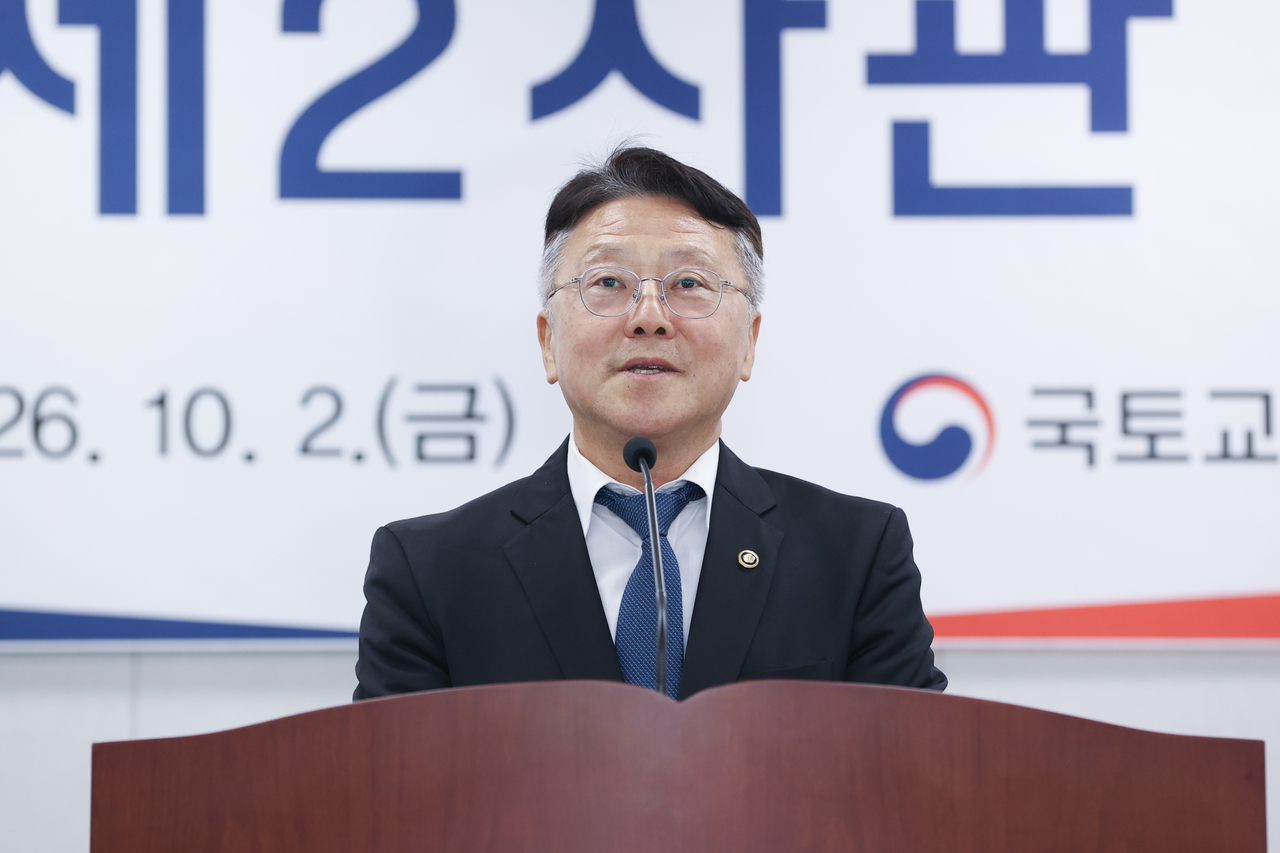
Jung Eui-kyung, second vice minister of the Ministry of Land, Infrastructure and Transport, said Friday at her inauguration ceremony that she intends to visit worksites frequently.
"Transportation is a government service that citizens encounter every day, and most closely," Jung said. "There is no value that comes before the lives of the people. Rather than responding after an accident occurs, I will build a preventive safety system that identifies and addresses risk factors in advance. To that end, I will go directly to transportation logistics, airport, rail and road sites to hear the voices of the public and the field."
Jung also urged her staff to speak up. "If we identify a problem early, we can find a solution early," she said, asking employees to "share the various problems you feel on the ground without hesitation."
The field-first philosophy echoes the stance of Minister Hong Ji-sun, who said at her own inauguration that "the most important thing is the field," urging staff to narrow the gap between policy and reality, cut unnecessary paperwork and focus on substance over form.
Jung noted that she had spent her previous role as director general of the Land and Urban Affairs Bureau working on issues including five-pole, three-special growth hubs, corporate high-tech cities and a new national land comprehensive plan. She pledged to translate the role of transportation she had identified through that work into real outcomes.
She said she would steadily pursue three core policy directions: balanced regional development, industrial innovation and public safety.
On balanced development, Jung said she would more tightly connect regional growth foundations through transportation infrastructure, push ahead without delay on expanding transport networks linking key hubs, industries and jobs, and broaden transportation services that people in the regions can actually use.
On industrial innovation, she pointed to accelerating the growth of future mobility and new transportation services — connecting autonomous driving, urban air mobility and demand-responsive transit to people's daily lives while creating an environment in which these can coexist with the existing transport industry.
Reiterating that safety would be the top priority across all transportation sectors — rail, road and aviation — Jung said she would "closely link land and transportation planning and deliver results that the public can actually use and feel."
smh@heraldcorp.com