Ministry of Land, Infrastructure and Transport unveils overhaul of type-approval system
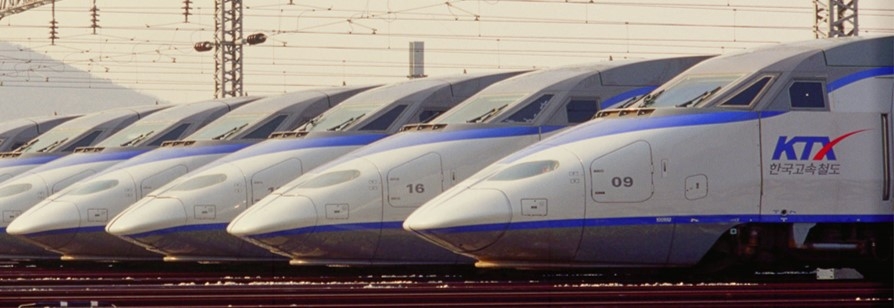
South Korea will reduce duplicative inspections in the type-approval process for rail vehicles — which assesses whether a vehicle's design and manufacture meet required standards — while tightening safety verification. Key safety components will be classified into four tiers based on accident risk, with high-risk parts subject to stricter checks and lower-risk parts evaluated using manufacturers' own test results.
South Korea's Ministry of Land, Infrastructure and Transport announced Tuesday it would pursue the "Rail Vehicle Type-Approval System Improvement Plan" incorporating these changes. The type-approval system, introduced in 2014, certifies that a rail vehicle's design meets the minimum safety and performance standards set by the government.
It is one of several procedures — alongside manufacturer approval, which covers quality management systems, and completion inspections, which verify that vehicles are built to specification — that govern vehicle safety from design through production. The ministry began gathering industry feedback in April through a dedicated subcommittee under the "Rail Vehicle Industry Structure Improvement Task Force," responding to calls to accommodate new technologies, address climate change and ease the burden on manufacturers caused by redundant inspections.
Under the plan, safety component inspections will be tiered by risk level. The ministry aims to establish the rating framework by the end of this year, pilot it in 2027 and then revise technical standards in stages from 2028. When major components are replaced or designs are changed, the ministry will verify the impact not only on the affected parts but on the safety of the entire vehicle. Components vulnerable to extreme heat or cold will be subject to a stepped verification process covering virtual simulation, laboratory testing and real-world operating conditions.
The plan also eases the burden on manufacturers. Components whose safety has already been confirmed during the type-approval process will not be subjected to the same inspections again during subsequent completion checks. Starting next year, a digital approval system will be introduced across the board, allowing real-time tracking of inspection progress.
From December, the ministry will offer pre-consultation services to new manufacturers and importers, as well as companies producing or modifying new vehicle types, providing advance guidance on required documents, inspection procedures and timelines. From the first half of next year, the ministry will roll out inspection-period guidelines by vehicle type and inspection stage on a phased basis.
The plan also includes export support measures. The ministry will gradually align domestic rail vehicle technical standards with Europe's Technical Specifications for Interoperability and expand the facilities, equipment and personnel needed to conduct TSI certification tests domestically. To that end, it will establish a TSI Rail Testing and Certification Center linked to the Osong General Railway Test Line. The ministry will also seek international recognition of domestic test reports to reduce overseas testing costs.
Measures to improve the fairness and reliability of inspections are also included. Since June, manufacturer quality-management inspections — previously replaceable with international quality certificates — have been required to take place as on-site checks during actual vehicle production. Conflicts of interest among inspectors will be addressed in coordination with the "Railway Revolving-Door Prevention Task Force," and a third-party evaluation system covering all inspection activities will be introduced next year.
"Because rail vehicle safety is directly linked to the lives of the public, we will strengthen safety verification for high-risk components and quality management during vehicle production, while also improving the fairness and reliability of inspection bodies," said Kim Tae-byeong, director general of the ministry's Railway Bureau.
smh@heraldcorp.com