Special cleanliness drive launched in August in partnership with merchant associations
Focused patrols of blind spots yield 343 violations addressed — warnings issued and fines levied
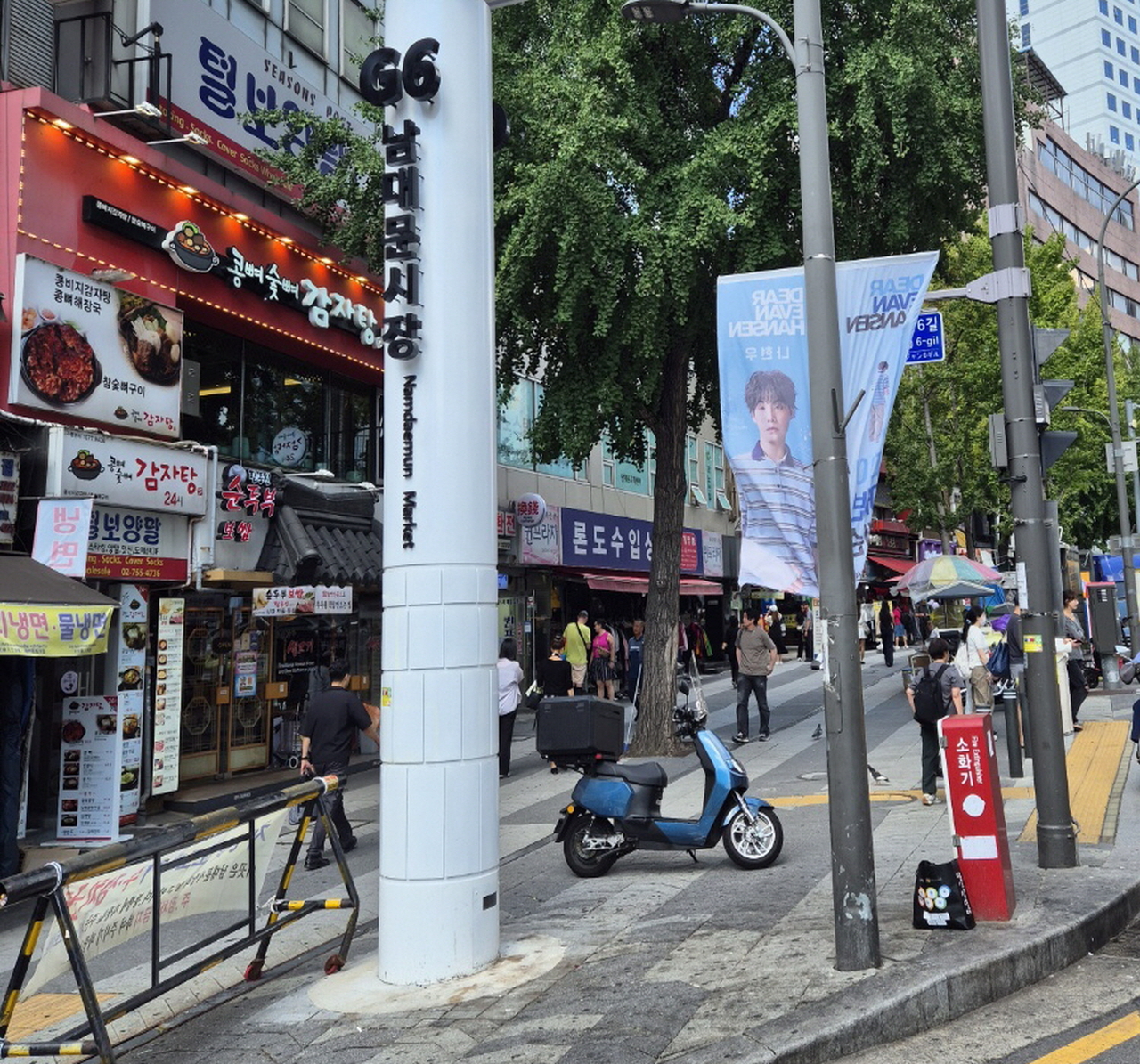
Seoul's Jung-gu has dramatically transformed the streets around Namdaemun Market by launching a special cleanliness campaign to tackle the area's chronic problems of illegal dumping and after-hours waste disposal.
The effort, which began in August in partnership with merchant associations, combined face-to-face outreach with on-site guidance and enforcement across the board.
The main gates and outer boulevards of Namdaemun Market had long been marred by waste discarded at all hours, damaging the area's appearance. After a waste transfer station closed in 2018, vendors lost a proper place to store trash and roadside dumping became entrenched practice. In response, the district's sanitation administration division teamed up with the traditional market division, the Hoehyeon-dong community center and the market's merchant associations to establish a proper waste-disposal culture.
The district produced 6,000 copies of a promotional leaflet explaining the correct times and methods for disposing of waste and distributed them directly to shop owners. Banners prohibiting illegal dumping and after-hours disposal were also installed at six major entrances and pedestrian routes to encourage voluntary compliance.
Alongside efforts to promote voluntary cleanup, the district carried out intensive enforcement in problem areas. From Sept. 4 to Sept. 21, four waste-dumping inspectors were organized into two teams to conduct thorough patrols of eight market gates and blind spots inside and around the market.
As a result, 343 cases of illegal household waste disposal were identified and addressed on the spot. Of those, 328 received guidance on proper disposal methods, while 15 repeat or deliberate violations were fined a combined 1.5 million won ($1,100), firmly reinforcing basic public order.
The close monitoring produced visible results: abandoned waste dropped noticeably near Gate 4 of Namdaemun Market (along Toegyero 59) and in front of the children's clothing street sign (around Toegyero 62), two spots that had long been plagued by litter.
Given the market's tendency to generate large volumes of waste immediately after late-night business hours, the district will maintain a standing inspection system even after the September special management period ends. Officials plan to consistently monitor waste disposal conditions at each gate and keep up regular communication with merchant associations to sustain cleanliness at the main entrances.
Namdaemun Market has been reinventing itself as a global tourist destination, with foreign visitor numbers surging in recent years. According to the Seoul AI Foundation, the average daily number of foreign tourists visiting Namdaemun Market last year reached 30,132 — up about 9.9 percent from the previous year and accounting for 28 percent of total foot traffic. The district expects the cleaner market streets to leave a positive impression of "a clean and attractive Seoul Jung-gu" on the growing number of visitors.
Jung-gu District Mayor Kim Gil-sung said the results were meaningful, achieved by resolving the long-standing illegal dumping problem through the active cooperation of merchants and the district's hands-on administration. "We will continue to work so that everyone who visits Namdaemun Market can enjoy a clean and safe pedestrian environment," he said.
seouldream01@heraldcorp.com