Analysis covers 16 environmental impact categories including climate change, acidification and fine dust
Kim Wi-sang calls for shift to policies that genuinely reduce single-use item consumption
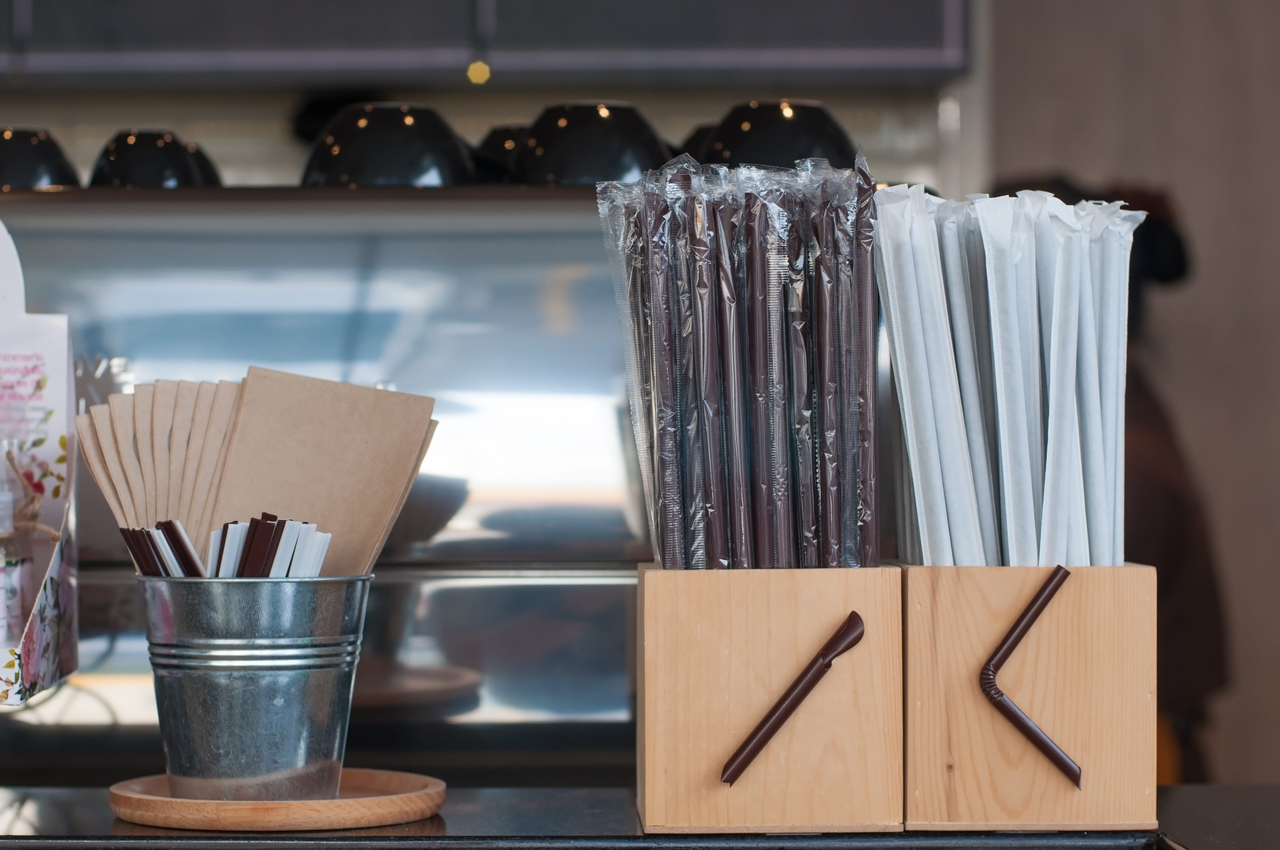
Paper, bio-polyethylene (PE) and biodegradable straws have been promoted as alternatives to plastic straws to curb plastic use, but a new study has found they in fact place a greater burden on the environment than conventional plastic straws.
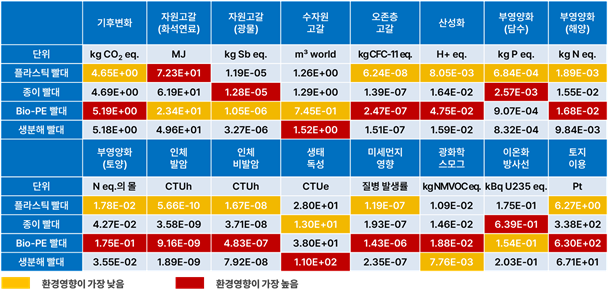
A comprehensive survey on disposable straws, submitted to People Power Party lawmaker Kim Wi-sang of the National Assembly's Climate, Energy, Environment and Labor Committee by the Ministry of Climate, Environment and Energy, found that ordinary plastic straws had the smallest environmental impact across 10 categories, including climate change, acidification, fine dust and human toxicity.
Bio-PE straws ranked worst across 10 categories, including ozone depletion, acidification and smog. Paper straws had the greatest impact in three categories: mineral resource depletion, ionizing radiation and freshwater eutrophication. Biodegradable plastic straws topped two categories: water depletion and ecotoxicity.
Compared directly with conventional plastic straws, paper straws scored 2.23 times higher on ozone depletion, bio-PE straws 3.96 times higher and biodegradable straws 2.42 times higher. On acidification, the figures were 2.04 times for paper, 5.90 times for bio-PE and 1.98 times for biodegradable straws. For human carcinogenicity, paper straws came in at 6.33 times higher, bio-PE at 16.18 times and biodegradable at 3.34 times. Fine dust impact was 1.62 times higher for paper straws, 12.02 times for bio-PE and 1.97 times for biodegradable straws.
The ministry commissioned the Korean Society for Life Cycle Assessment to conduct the study from May last year through April this year. It assessed 16 impact categories — including climate change effects from greenhouse gas emissions, ozone depletion, acidification, human carcinogenicity and fine dust — across the full life cycle from raw material production to disposal, using an incineration-to-landfill ratio of 73.6 percent to 26.4 percent.
The study also confirmed that straws are in effect nearly impossible to recycle, regardless of material.
Researchers who visited recycling sorting facilities found that straws are too small to be sorted by machine or by hand, and are classified as non-recyclable waste destined for incineration.
Coatings or adhesives used in certain products make recycling impossible in many cases. Even straws that are technically recyclable are not sorted separately and end up being incinerated alongside conventional plastic straws.
The researchers recommended that "a blanket ban on plastic straws alone, excluding other disposable straws, is not appropriate."
The government moved in November 2022 to restrict plastic straw use at cafes and other establishments, nudging businesses toward paper straws and other alternatives. The policy was suspended indefinitely, however, after the National Assembly criticized it as greenwashing and small business owners pushed back.
"We must stop the pointless regulation of simply swapping materials and shift to substantive reduction policies that fundamentally cut the use of disposable items altogether," Kim said.
thlee@heraldcorp.com