Disused sites in Gyeongju, Pohang and other cities to be transformed into community spaces
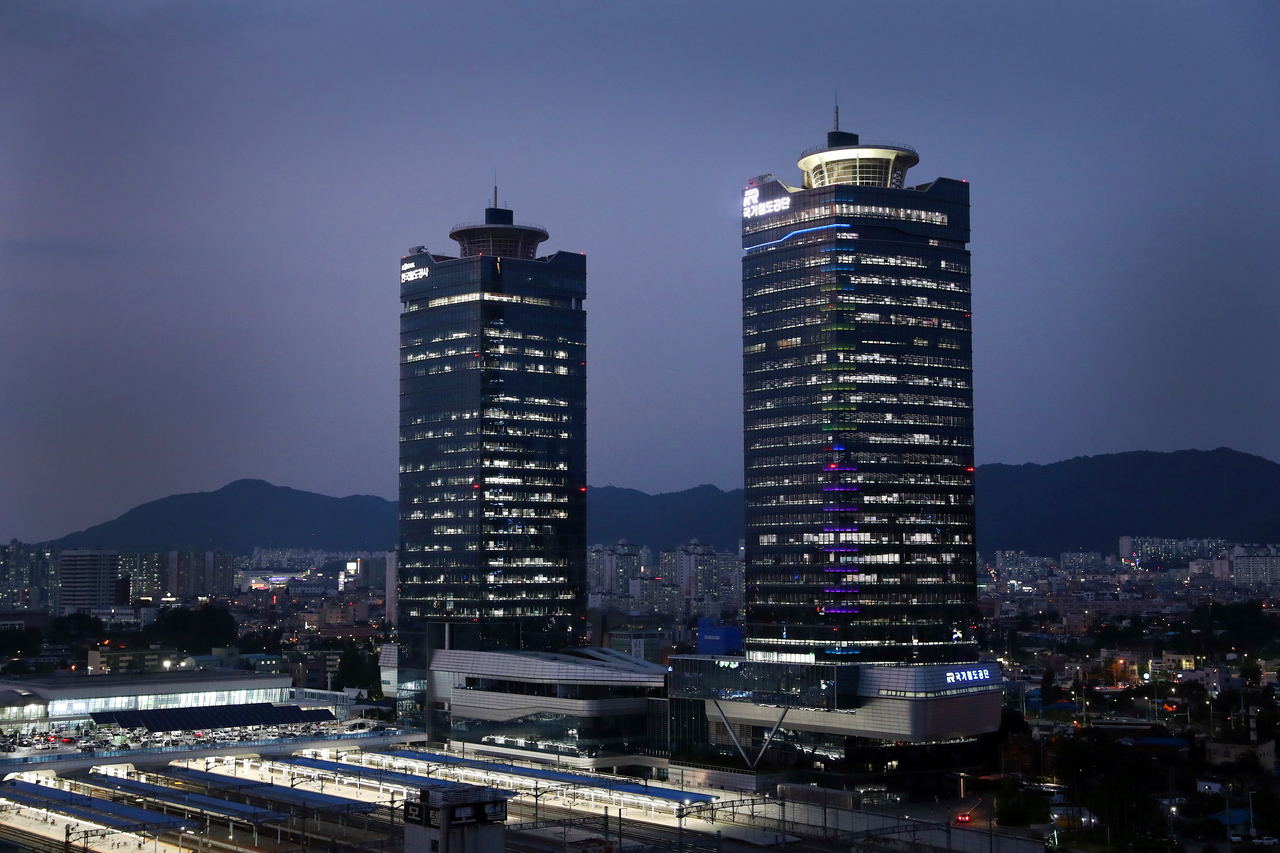
Korea National Railway announced Tuesday it had selected eight projects nationwide through a review process for its 2026 idle rail land utilization program.
The program repurposes state-owned idle railway land — including former rail corridors and areas beneath bridges — into community amenity spaces suited to local conditions, with the aim of strengthening regional competitiveness.
Korea National Railway accepted applications from local governments across the country through June, then convened a review committee of internal and external experts to evaluate each proposal's feasibility and incorporate public input before finalizing the eight selections.
The eight projects selected this year are an urban ecological forest in Gyeongju, an ocean blue rail trail in Gijang-gun, a Mugunghwa garden in Pohang, a rail-corridor forest in Hwasun-gun, a carbon-reducing urban forest at the former Sinnyeong Station site in Yeongcheon, an outdoor garden in Hwangjeong-ri, Geumho-eup, also in Yeongcheon, a community walking trail in Naedong, Jinju, and an ecological rail trail along a disused line in Hadong-gun. The selected local governments will begin investing a combined 57.8 billion won ($42.5 million) by the end of this year to develop green spaces, outdoor gardens, cultural facilities and other community amenities across the 322,000-square-meter site.
The Ministry of Land, Infrastructure and Transport and Korea National Railway will also support the selected local governments through a donation-and-acceptance procedure, allowing them to use the idle rail land free of charge for up to 20 years.
"It is deeply meaningful that land which has fulfilled its role in rail transport can now be put to new use as the living and cultural spaces communities need," Korea National Railway Chairman Jeong Jin-hyeok said. "We will continue to work closely with local governments to maximize the value of idle rail land."
Meanwhile, Korea National Railway has been running the idle rail land utilization program annually since 2015, advancing 81 projects with 49 local governments. Going forward, it plans to work with the Ministry of Land, Infrastructure and Transport to actively use idle rail land to boost local economies through improved community amenities and tourism resource development.
The agency also intends to expand eco-friendly initiatives on idle land as part of its "Future Railway Innovation Platform Master Plan" — a renewable energy master plan aimed at transforming the national rail network into a large-scale clean energy production base.
hss@heraldcorp.com