
Three sessions held Sept. 18, 21 and 22 cover overhaul of comprehensive real estate tax and capital gains tax, with case-based explanations and protections for long-term homeowners — following 1,208 resident submissions to the government in August, new feedback shows 48% demand transitional provisions for long-term holders
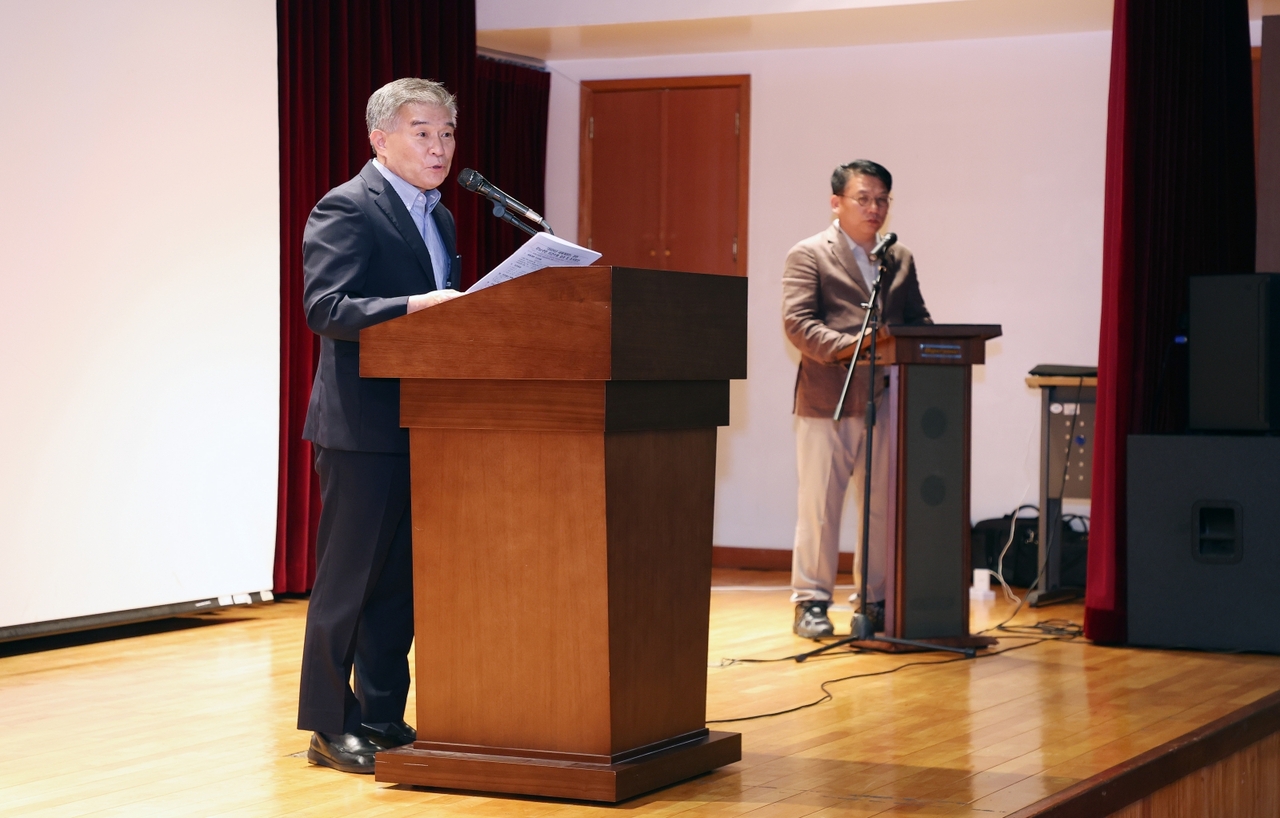
Gangnam-gu held three real estate tax information sessions recently, drawing more than 1,000 residents and generating strong public interest.
The sessions focused on explaining the government's real estate tax reform in plain terms and gathering a wide range of opinions directly from residents.
The three sessions were held Sept. 18, 21 and 22, walking attendees through changes to the comprehensive real estate tax and capital gains tax using real-life examples. Residents showed strong interest in tax issues closely tied to their daily lives — including the burden on single-homeowners who have held or lived in their properties for a long time, proposed changes to the special long-term holding deduction, recognition of non-residency periods arising from reconstruction and redevelopment, and protections for elderly single-homeowners.
Gangnam-gu had earlier collected 1,208 resident opinions in August and submitted six policy recommendations to the government, including stronger protections for long-term holders and broader recognition of unavoidable non-residency periods. The sessions also gave residents an update on which of those recommendations had been reflected in the government's proposal, while gathering additional feedback on areas still in need of improvement.
A total of 468 residents completed on-site surveys, with those aged 50 and older accounting for 77 percent of all respondents. The top demand — cited by 48 percent — was the establishment of transitional provisions for existing long-term holders, reflecting a desire to give taxpayers who have owned their homes for many years adequate credit for their holding period and sufficient time to adjust to the new rules. Respondents also called for the abolition or raising of the 1 billion won ($760,000) capital gains tax deduction cap for long-term residents, and for improvements to the conditions under which elderly single-homeowners may defer comprehensive real estate tax payments.
Residents also asked that accessible tax information sessions be held on a regular basis. Some called for dedicated sessions covering tax issues related to reconstruction and redevelopment, as well as inheritance and gift taxation — areas of particularly high resident interest.
Gangnam-gu plans to compile the additional feedback gathered at the sessions and forward it to the relevant authorities, continuing to relay resident opinions throughout the legislative and policy reform process. The district is also reviewing whether to make the tax information sessions a regular fixture in response to resident demand.
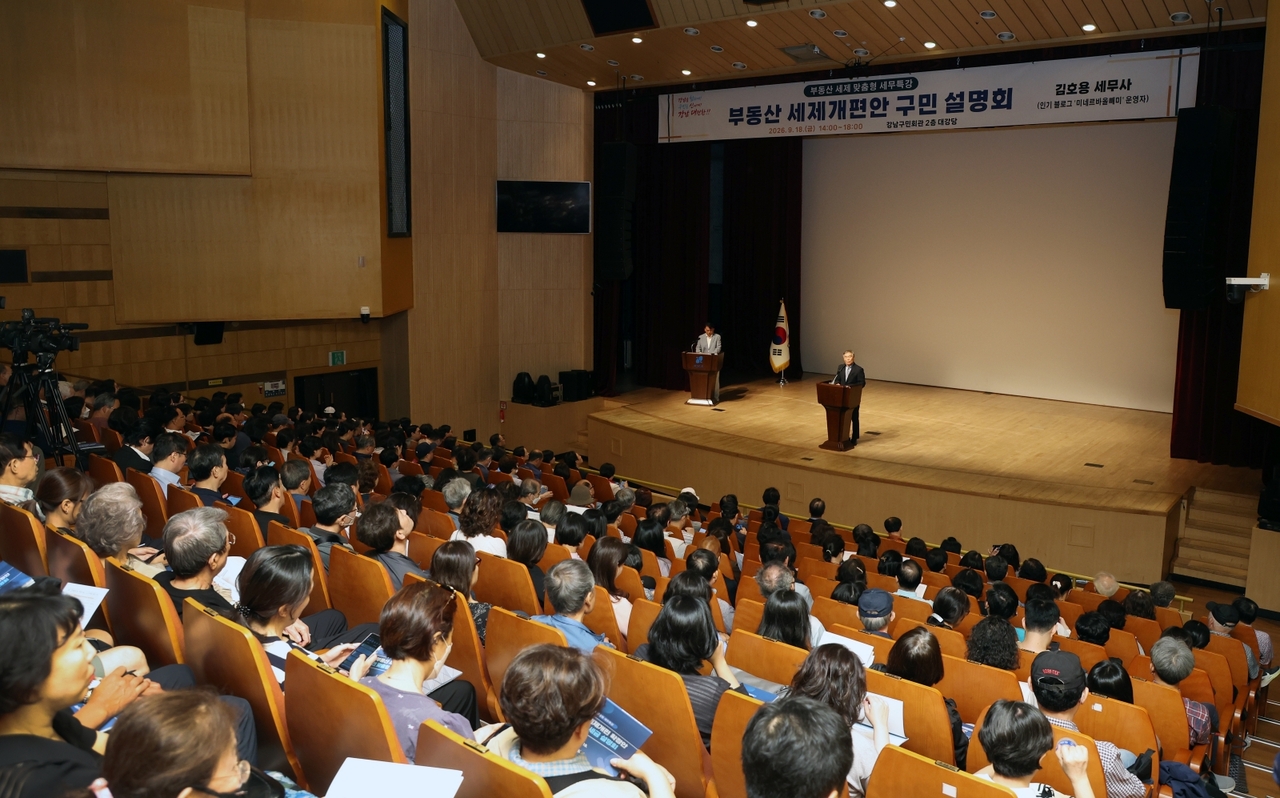
For residents who could not attend in person, a recording of the Sept. 18 session led by tax accountant Kim Ho-yong will be available on Gangnam-gu's official YouTube channel through Friday.
"Taxes directly affect residents' assets and livelihoods, so it is important to deliver accurate information clearly and listen carefully to what people on the ground are saying," District Mayor Kim Hyun-gi said. "We will keep up this communication — turning resident opinions into policy recommendations, reporting back on the results, and faithfully conveying any further reform needs to the relevant authorities."
seouldream01@heraldcorp.com




