U-turn option to be included in central bus lane improvement study
Analysis to cover stop relocation, platform extension and lane reconfiguration
Hongje District 3 reconstruction may trigger broader redesign of Tongil-ro traffic system
Seoul Metropolitan Council, National Assembly, Seoul city, police and Seodaemun-gu form joint working group
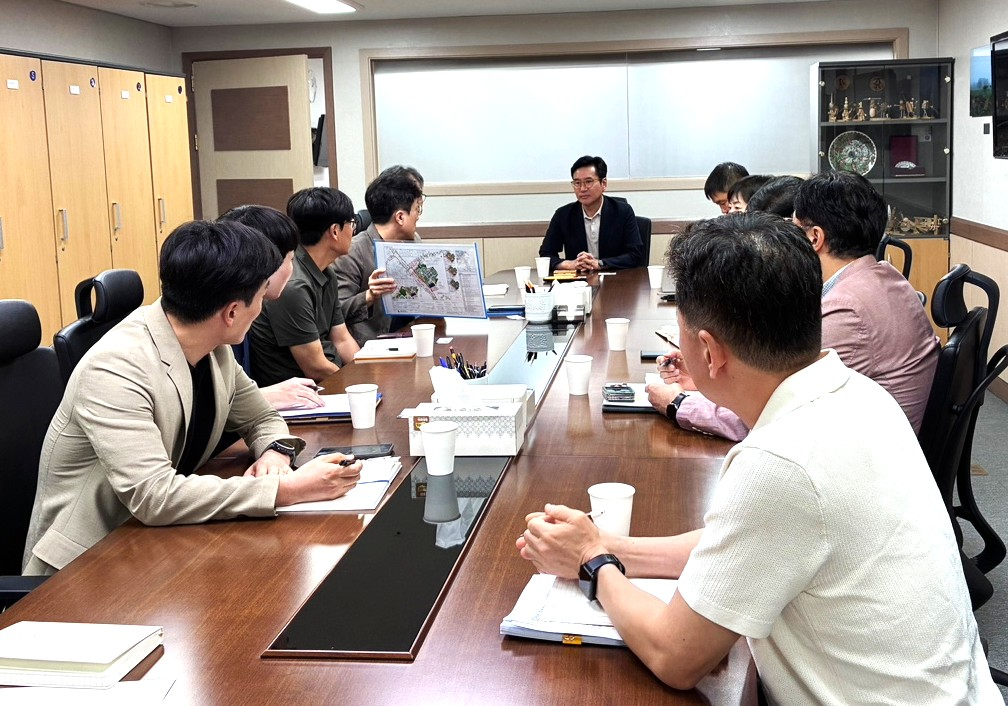
A long-standing grievance among residents of Hongje-dong in Seoul's Seodaemun-gu — the absence of a U-turn at the Inwang Apartment intersection on Tongil-ro — has reached a new turning point. The issue, stalled for years by the complexity of the central bus lane, stop placement and road width, will now undergo formal technical analysis by linking the city's detailed design study with the traffic plan for the Hongje District 3 reconstruction project.
Kim Ho-jin, chair of the Seoul Metropolitan Council's Education Committee and a Democratic Party of Korea member representing Seodaemun District 2, convened a meeting Wednesday to discuss allowing a U-turn at the Inwang Apartment intersection, bringing together issues that had previously been scattered across separate agencies.
Attendees included representatives from the Seoul Metropolitan Council, the office of National Assembly member Kim Dong-a, the Seoul Metropolitan Government's transportation bureau, the Seoul Metropolitan Police Agency, Seodaemun-gu council member Song Eun-gyeong and the Seodaemun-gu district office's road division. The gathering aimed to examine, in one sitting, the intertwined problems of road structure, bus operations, traffic regulation and post-reconstruction vehicle flow.
Taking the long way home: Hongje-dong's enduring inconvenience
For Hongje-dong residents who use Tongil-ro, the lack of U-turn points has been more than a minor driving nuisance.
Vehicles trying to reach Inwang Apartment and surrounding residential areas must travel a considerable distance past their destination and double back if they are heading in the wrong direction. The repeated long detours for short distances have stretched travel times and added unnecessary traffic to nearby intersections.
That is the backdrop to residents' persistent calls for a dedicated turning space at the Inwang Apartment intersection.
Tongil-ro, however, is a major arterial road connecting central Seoul with the city's northwestern districts, and it carries a central bus lane and median stops. Adjusting a single lane as one might on an ordinary road was never going to be enough.
Creating safe turning space for vehicles requires simultaneous changes to the median stop location, platform length, bus-only lane and general lane configuration. Pedestrian access to the stops and safety must also be factored in, meaning multiple conditions have to align.
Coordination with the Seoul Metropolitan Police Agency, which oversees traffic regulation reviews, is also required. Because road management, public transit and traffic regulation fall under different agencies, no single body could advance the project on its own.
From complaint to blueprint: piecing together the scattered puzzle
What makes this round of discussions notable is that it goes beyond reconfirming a long-repeated resident demand — it connects that demand directly to an active design process.
The Seoul Metropolitan Council, the National Assembly, the Seoul Metropolitan Government, the Seoul Metropolitan Police Agency and Seodaemun-gu shared data and positions they had each held separately, establishing a collaborative framework for adjusting road structure and traffic flow together.
The Hongje District 3 reconstruction project has emerged as a significant new variable.
As reconstruction proceeds, changes are expected in traffic volume, entry and exit routes and the pedestrian environment in the area. Rather than simply assessing whether a U-turn is feasible within the existing road layout, the approach is to redesign traffic flow along Tongil-ro by incorporating the anticipated shift in demand once reconstruction is complete.
This makes it possible to examine comprehensively where turning space for vehicles can be secured, how queuing vehicles would affect mainline traffic flow and whether the central bus lane would be disrupted. Pedestrian safety and boarding conditions at the median stops are also key areas of analysis.
The goal is to find solutions by treating the reconstruction project, the arterial road and the public transit system as a single spatial unit, rather than addressing the installation of one traffic facility in isolation.
The discussions will lead to concrete follow-up steps.
The Seoul Metropolitan Government plans to use a 1.168 billion won ($864,000) basic and detailed design study for improving central bus lane flow to examine the feasibility of adding a U-turn at the Inwang Apartment intersection on Tongil-ro.
The design process will comprehensively analyze whether the median stop needs to be relocated, the space required to extend platforms, lane reconfiguration, vehicle turning radius, the impact on bus operations and pedestrian safety.
An issue long confined to resident complaints and agency consultations is now moving into a stage where feasibility will be assessed against actual drawings and traffic data.
Tongil-ro traffic improvements tied to reconstruction — safety and lane space are the key hurdles
Inclusion in the design study does not, of course, mean the project is confirmed.
Any solution must carve out turning space for general vehicles within a constrained road corridor while preserving the function of the central bus lane and ensuring the safety of stop users. The plan will also need to clear a traffic regulation review by the Seoul Metropolitan Police Agency.
Ultimately, the central question is whether a layout can be devised in which buses, general vehicles and pedestrians do not come into conflict within the limited road space available.
The discussions touch on more than whether to permit a U-turn at one point in front of Inwang Apartment — they connect to the broader question of how to reshape the traffic environment across Hongje-dong.
The Hongje District 3 reconstruction will alter the residential landscape and vehicle circulation patterns, creating an opportunity to overhaul the existing traffic system on Tongil-ro at the same time.
If the city's detailed design study yields a viable alternative that can be integrated with the reconstruction project's traffic management plan, it could reduce the repeated detours residents have long endured while improving access to Tongil-ro.
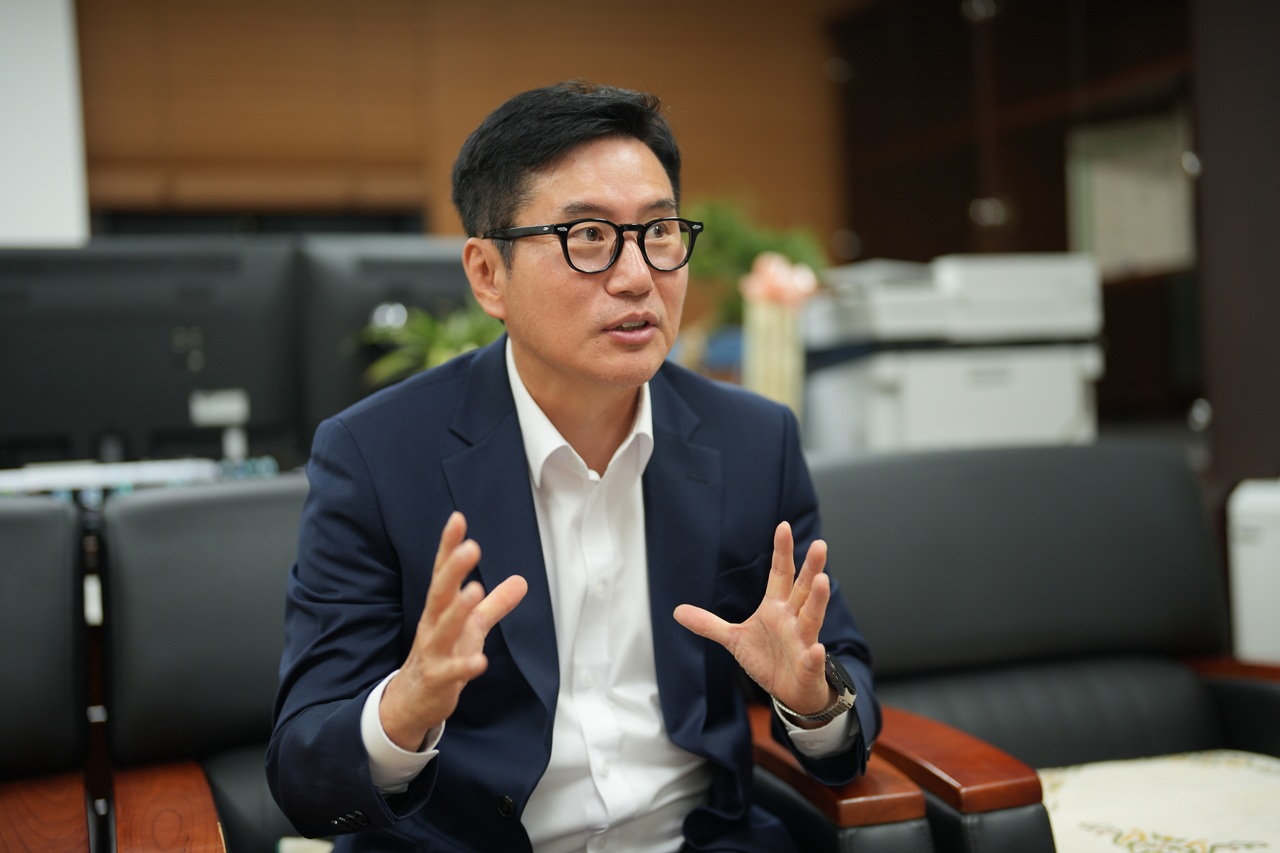
"Residents have been asking for a solution for a long time, but because multiple agencies and departments each approached the issue from within their own domain, it was difficult to come up with a practical alternative," Kim said. "Now that we have brought the scattered issues together in one place and are moving into technical analysis through the Seoul Metropolitan Government's transportation bureau study, we need to look comprehensively at the traffic changes that will come with the Hongje District 3 reconstruction and find a workable solution." He added that he would work closely with the relevant agencies to ensure the long-standing traffic inconvenience on Tongil-ro is resolved for residents.
7toy7@heraldcorp.com