Korea National Park Service to intensify crackdown on illegal and disorderly conduct during fall foliage season
Drinking outside designated areas carries 100,000-won fine
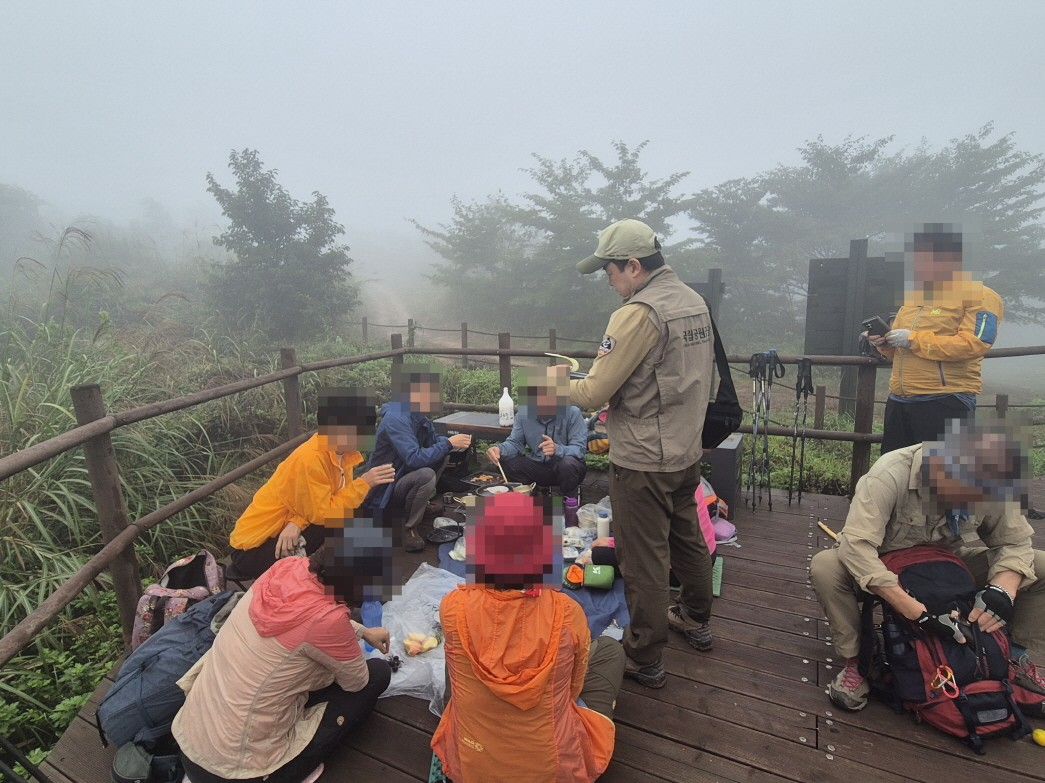
With visitor numbers expected to surge during the fall foliage season, the Korea National Park Service is stepping up oversight and enforcement across the country's national parks. Visitors are urged to avoid violations that could result in fines.
The Korea National Park Service, which operates under the Ministry of Climate, Environment and Energy, said it will conduct intensive management of illegal and disorderly conduct in national parks through Nov. 30 in conjunction with the fall foliage season.
Autumn is a period when visitors flock to popular spots in national parks to enjoy the fall colors, making it a time when nature-damaging behavior — such as entering off-trail paths, unauthorized cooking or camping, smoking, and collecting forest products — is particularly likely to occur.
Of the 43.31 million visitors to national parks last year, about 24 percent, or 10.21 million, came in October and November.
In response, the Korea National Park Service plans to deploy on-site management personnel to national parks across the country during the fall peak season, and will flexibly operate patrols, guidance and enforcement activities based on each park's foliage timing and visitor concentration.
The main targets of this intensive management campaign are acts that damage the natural environment and visitor order in national parks: entering prohibited areas such as off-trail paths; cooking, camping or parking outside designated areas; smoking within national parks; drinking outside designated areas such as mountain shelters and summits; and unauthorized collection of natural resources such as forest products.
A fine of up to 2 million won ($1,470) upon a third violation applies to those who obstruct or refuse an investigation without justifiable cause, fail to comply with an order to vacate or take other required action, carry a gun or crossbow or set up a net, conduct commercial activity using vehicles, carts or other mobile equipment, or smoke outside designated areas. Drinking outside designated areas or facilities carries a fine of 100,000 won.
The Korea National Park Service will also conduct a focused crackdown on illegal commercial activity along rivers and valleys, alongside enforcement of order violations in major visitor areas.
Inspections will focus particularly on areas with a high risk of illegal activity, including previously regulated zones such as Bukhansan and Mudeungsan national parks, as well as the entrances to national parks.
Those caught engaging in illegal commercial activity may be fined under the Natural Parks Act without any prior warning.
Since March this year, the Korea National Park Service has conducted a comprehensive survey of illegal structures installed near rivers and valleys within national parks, identifying a total of 432 cases, of which 395 have been cleared to date.
At a prayer site in Palgongsan National Park, wildlife including the Siberian weasel and northern goshawk — both classified as endangered wild species grade II — have been confirmed to have returned following the removal of illegal structures.
The Korea National Park Service said it will continue to clear the remaining illegal structures without delay, while also conducting ongoing checks in areas where clearance has been completed to monitor for reinstallation and any recurrence of illegal activity.
Through these efforts, the agency aims to restore the natural environment around rivers and valleys, prevent the reappearance of illegal structures, and maintain thorough management of valley areas.
"Autumn is the season when many people visit national parks to enjoy the beautiful fall foliage, and as visitors concentrate in certain areas, concerns about damage to the natural environment also grow," Korea National Park Service Chairman Ju Dae-young said. "We will continue to monitor illegal structures to ensure they are not reinstalled after removal, and will also strictly manage illegal commercial activity near valleys and rivers."
thlee@heraldcorp.com