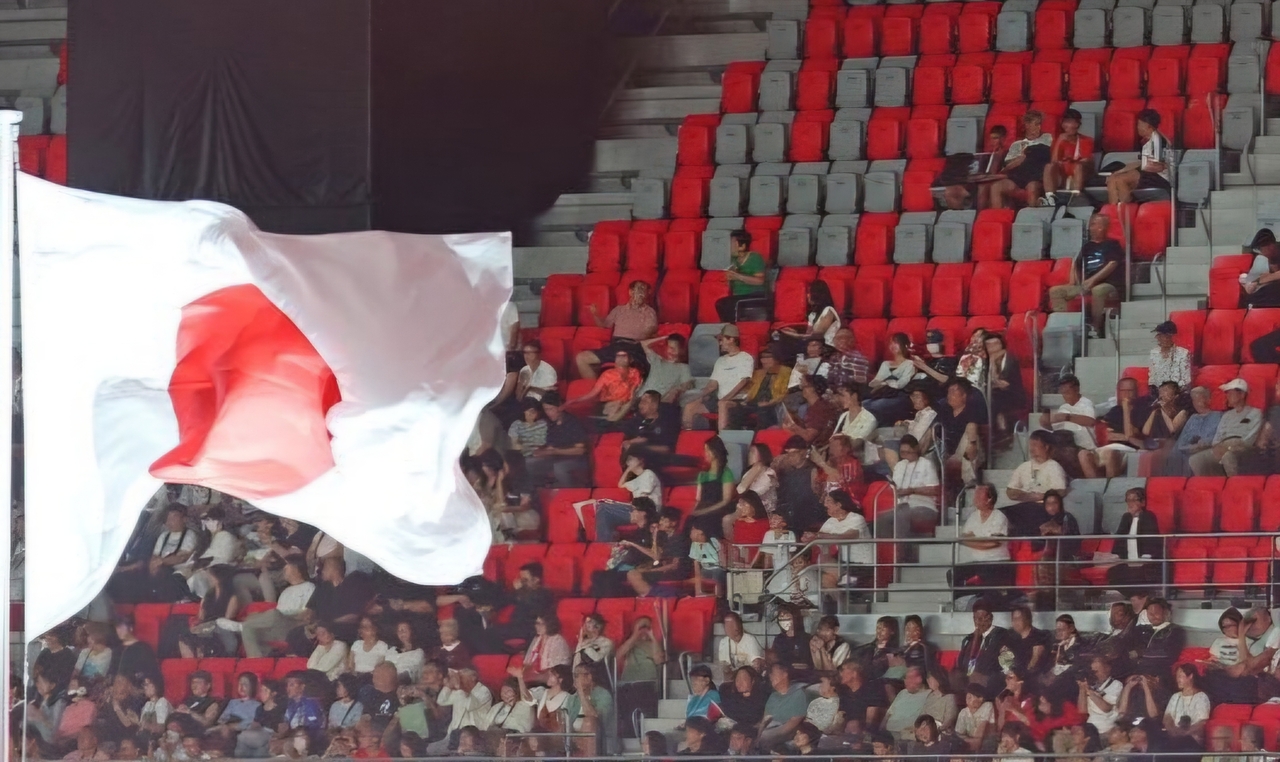
"I don't even watch the Olympics live anymore — who watches the Asian Games these days?" one internet user wrote.
Interest in the 2026 Aichi-Nagoya Asian Games, which opened Saturday, has hit an all-time low. Every event broadcast immediately after the opening ceremony recorded a 0 percent television rating. The opening ceremony itself drew sparse crowds, with large sections of empty seats, media reports said.
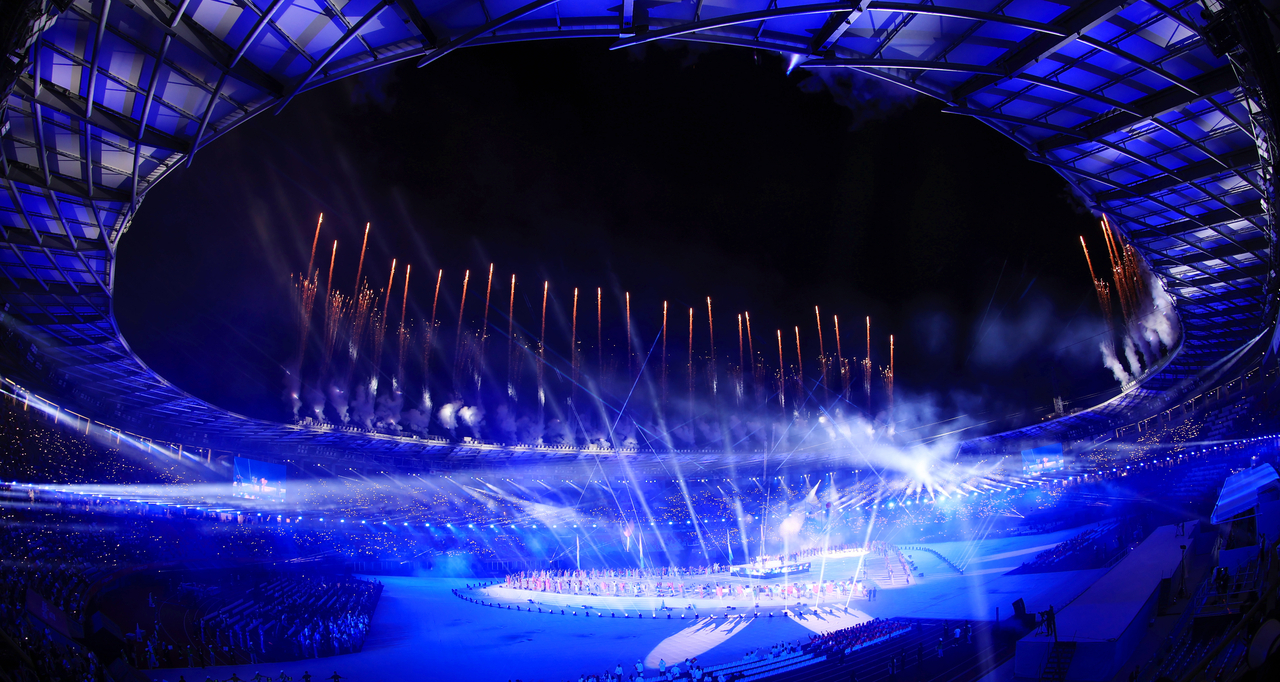
The 2026 Aichi-Nagoya Asian Games kicked off Saturday at Nagoya Athletics Stadium, launching 16 days of competition. South Korea sent a delegation of 1,051 athletes across 41 sports, targeting at least 40 gold medals.
Japan is hosting the Summer Asian Games for the first time in 32 years, following the 1958 Tokyo and 1994 Hiroshima editions. With the event now at serious risk of a commercial flop, the situation has put Japan on edge, according to reports.
Even before the opening ceremony, the men's basketball semifinal between South Korea and Iran on Friday drew a peak domestic rating of just 0.9 percent — the highest of any event so far. As of Sept. 7, ticket sales for 10 of the 41 sports had not reached 60 percent capacity, underscoring the public's tepid interest in the Games.
The slump extends beyond the Asian Games. Viewership for the Olympics has also fallen sharply, raising questions about the long-term viability of major international sports events. The Paris Olympics opening ceremony, for instance, drew a combined rating of just 3 percent across South Korea's three major terrestrial broadcasters, with each channel recording between 0 and 1 percent.
Broadcasters that paid large sums to secure rights to international sports events have been left reeling by the dismal ratings. Rather than a windfall, many are now struggling just to break even, as low viewership makes it increasingly difficult to generate advertising revenue.
The rise of YouTube, OTT services and other media platforms — giving viewers more content to choose from than ever — is widely cited as a key factor behind the unprecedented ratings collapse for international sports. A growing share of the audience has migrated to OTT and other new media platforms, drawn by the ability to watch on demand at their own convenience rather than tune in to a live broadcast.
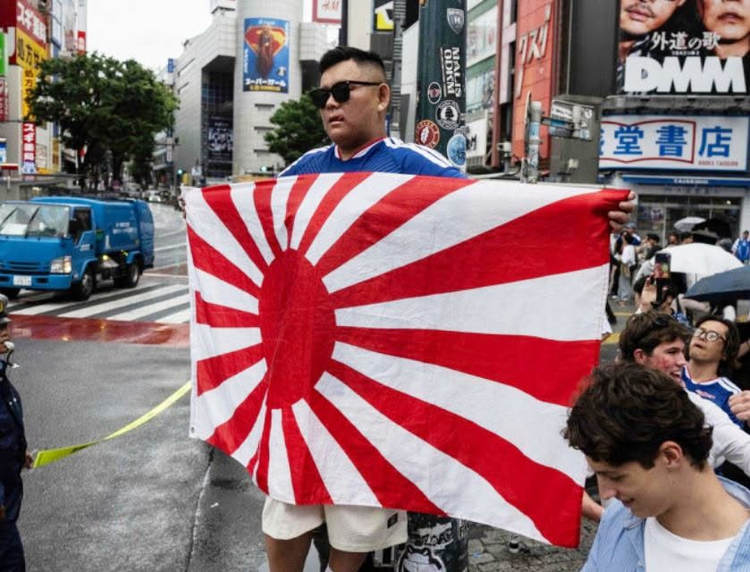
Meanwhile, Seo Kyoung-duk, a professor at Sungshin Women's University, wrote on social media Saturday that his biggest concern about the Aichi-Nagoya Asian Games was the possible appearance of Japan's Rising Sun flag among spectators. The Rising Sun flag was used by Japan during its imperial conquests across Asia, including during the Pacific War, and is widely regarded as a symbol of militarism and imperialism.
"Japan has repeatedly brought the Rising Sun flag to international sporting events, sparking major controversy each time," Seo said.
Seo said he intended to alert major international media outlets to the issue, calling the Games "a good opportunity to raise awareness among overseas sports fans who may not know the history of the Rising Sun flag." He also asked the public to report any sightings of the flag — whether at the venue or on broadcast footage — to his social media accounts during the Games.
park@heraldcorp.com