
"We thought it would struggle at the box office"
A film that nearly never got made due to a lack of funding has topped Netflix Korea's chart just one day after its release. "Possible Love," which investors repeatedly passed on, has defied expectations and become a streaming hit.
According to Netflix, "Possible Love" climbed to No. 1 in the domestic film category on Monday — just one day after its release — and held the top spot for three consecutive days through Wednesday.
The film follows two couples whose lives intersect: laid-off worker Ho-seok, played by Sul Kyung-gu, and his wife Mi-ok, played by Jeon Do-yeon, alongside documentary director Ye-ji, played by Jo Yeo-jeong, and her husband Sang-u, played by Jo In-sung. Through the two couples, who come from vastly different backgrounds, the film explores class, desire and human hypocrisy.
The fact that a film unable to secure domestic funding ultimately found its footing through an OTT platform has drawn considerable attention.
Despite a runtime of 164 minutes and a rating restricted to ages 18 and over, "Possible Love" reached the top of Netflix Korea's film chart within a single day of its release.

"Possible Love" may be far from mainstream entertainment, but its artistic merit has earned international recognition. It became the first Korean film to win the Grand Jury Prize at the 83rd Venice International Film Festival. On top of director Lee Chang-dong's return to filmmaking after an eight-year absence, the cast's performances have also drawn widespread praise.
Originally developed with a theatrical release in mind, "Possible Love" struggled to attract domestic investment. From investors' perspective, the film's lengthy runtime, adults-only rating and weighty subject matter made it a difficult bet. Netflix ultimately stepped in with production funding, making the film possible.
A string of films deemed too challenging for theatrical success have been finding new life on Netflix. The platform's algorithm plays a significant role. Because Netflix imposes no constraints of time or place, the barrier to watching is low. The service's algorithm, in particular, pushes titles directly to users who favor related genres.
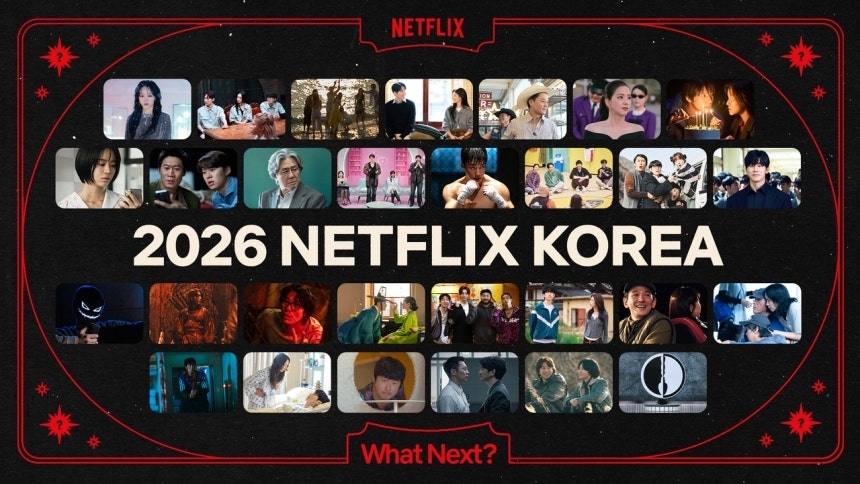
On top of that, Netflix's AI-driven algorithm surfaces hidden preferences that viewers themselves may not have known they had, recommending titles accordingly. The system analyzes the many characteristics of a single work and connects it to audiences who might seem entirely unrelated — broadening a film's reach in unexpected ways.
That dynamic feeds directly into the rankings. As a result, a large share of new releases manage to claim the No. 1 spot at least once. Films that might not seem worth the time and expense of a trip to the movie theater are recast as something viewers can enjoy at home with a single click, giving them a second life on Netflix.
A monthly OTT subscription now costs about as much as a single movie ticket. A trip to the movie theater runs an average of 30,000 won ($23) per person once tickets and snacks are factored in. Given that, many people find it makes more sense to stay home and stream Netflix to their heart's content.
park@heraldcorp.com