Fed raises rates for first time in over 3 years
Bank of Korea may follow with another hike this year
COFIX paused its rise but pressure remains
400 million won loan could mean nearly 3 million won a month
New buyers face tighter loan limits
Existing borrowers brace for heavier interest burden
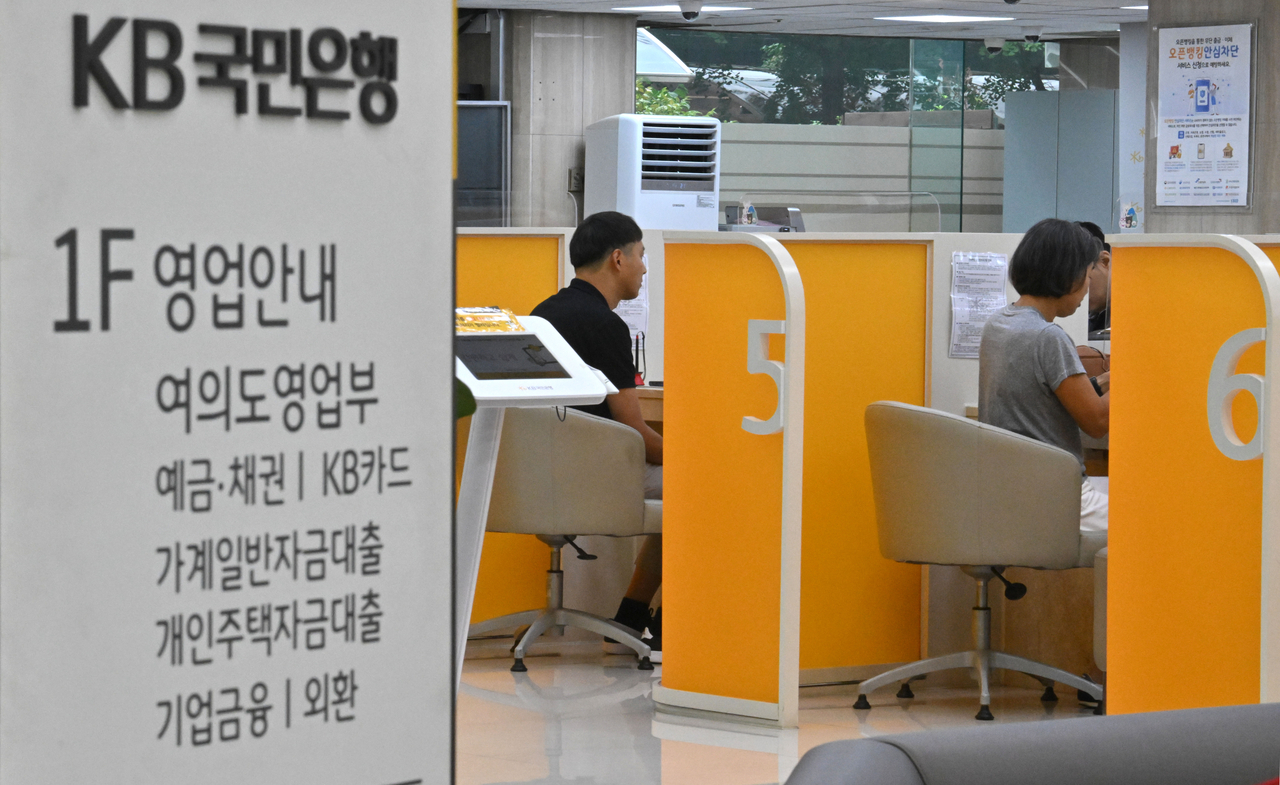
As global monetary policy shifts back into tightening mode, led by the United States, borrowers in South Korea are growing increasingly anxious. With the Bank of Korea widely expected to raise its benchmark interest rate again before year's end, both existing mortgage holders and prospective homebuyers stand to take a direct hit from rising rates. Those who took out credit lines and personal loans to invest in stocks — so-called "debt investors" — face a heavier burden as well.
The US Federal Reserve raised its policy rate by 0.25 percentage points to a range of 3.75 to 4.00 percent at its Federal Open Market Committee meeting on Wednesday — its first rate increase in three years and two months. With high oil prices and persistent inflation, the Fed left the door open to further hikes.
The Bank of Korea has also raised its benchmark interest rate twice in consecutive months, in July and August, bringing it to 3.00 percent annually. At last month's Monetary Policy Board meeting, six of the seven board members voted in favor of the increase. The central bank said it would monitor inflation, exchange rates and financial stability conditions to determine the timing and pace of any additional hikes.
The most immediate burden falls on borrowers with variable-rate mortgages. The August COFIX (Cost of Funds Index), which serves as the benchmark for variable-rate home loans at commercial banks, held steady at 3.18 percent annually — unchanged from the previous month — after rising for four consecutive months from April through July.
But borrowers should not take comfort too quickly. The Bank of Korea's late-August rate hike has yet to be fully reflected in the COFIX, and the Fed's move could push domestic bond yields and bank bond rates even higher. When banks fund themselves at higher rates through deposits, savings accounts and bank bonds, the COFIX and lending rates tend to follow with a lag.
Some in the financial industry expect the upper end of mortgage rates, currently in the 6 percent range, to climb into the 7 percent range before year's end — and potentially approach 8 percent if tightening continues. Variable-rate borrowers will face higher rates as soon as their next rate-reset cycle arrives. Even those on fixed rates are not immune: borrowers on hybrid products that convert to variable rates after an initial fixed period could see their repayment burden surge sharply when the reset date comes.

If mortgage rates rise from 4 percent to 8 percent annually, a borrower who took out 400 million won ($290,000) on a 30-year equal principal-and-interest repayment plan would see their monthly payment climb from about 1.91 million won to about 2.94 million won — an increase of roughly 1.03 million won per month, or more than 12 million won a year. Without cutting fixed expenses such as living costs and education fees, many borrowers would struggle to keep up.
The challenge is even greater for those seeking new mortgages. While home prices remain elevated, rising rates reduce the maximum loan amount available for a given income level. Under the debt service ratio regulation, total annual principal and interest repayments are capped, meaning that as interest costs rise, borrowers can access less of the amount they need.
Ultimately, buyers must either put up more of their own capital to cover the shortfall or lower their target price range. Those looking to move — whose plans depend on recovering a jeonse deposit or selling an existing home on a set schedule — will need to rework their financing plans entirely. Buyers who have already paid a down payment could find themselves unable to cover the balance if their loan limit comes in lower than expected.
The pressure extends beyond mortgages. Revolving credit lines and general personal loans carry higher rates than home loans and reflect market rate movements more quickly. A 1 percentage point rise in rates adds 1 million won in annual interest for every 100 million won of outstanding balance. Borrowers who draw continuously on their credit lines without repaying principal will see that burden compound over time.
Those who borrowed to invest in stocks or virtual assets face a double bind. Rising rates push up their interest costs, while tightening fears can trigger a correction in risk assets such as equities, potentially saddling them with investment losses at the same time. If the return on investment falls below the borrowing rate, a rising asset price may still leave the investor with a net loss.
"The fact that COFIX held flat for one month does not mean the rise in lending rates is over," a financial industry official said. "Existing mortgage borrowers should check their rate type and reset schedule, and new borrowers should stress-test their repayment capacity against a scenario where rates rise by another one to two percentage points."
attom@heraldcorp.com