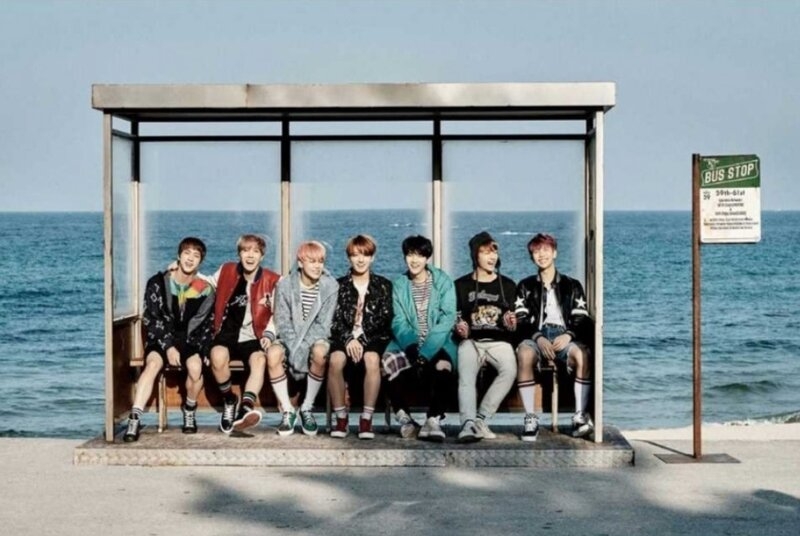
Hyangho village in Jumonjin-eup, Gangneung — known as a BTS pilgrimage site after the global pop group filmed the album jacket for "Spring Day" there — is set to be transformed into a garden.
Gangneung is launching a sweeping garden development project spanning not only Jumonjin but also outlying areas including Yeongok and Sacheon, as well as the sub-urban district of Hongje-dong, as it works to reinvent itself as a garden city.
The city announced Tuesday it had been selected for the government's "garden city development project," which aims to convert the entire urban area into green ecological and healing spaces, in line with national garden policy.
Starting in 2027, the city plans to invest a total of 10 billion won ($7.43 million) over five years — comprising 5 billion won in national funds, 1.5 billion won in provincial funds and 3.5 billion won in city funds — to build garden infrastructure across the city and comprehensively foster garden culture and the garden industry.
The project will focus on seven areas: one town (Jumonjin-eup, which is also the planned site of the Hyangho provincial garden), two townships (Yeongok-myeon and Sacheon-myeon) and four neighborhoods (Hongje-dong, Gyeongpo-dong, Gyo-dong and Ponam-dong), with plans to expand citywide in the future.
Across a total site of 60,000 square meters, the city plans to systematically develop 21 gardens — 11 community anchor gardens, five community gardens where residents tend the spaces together to rebuild neighborhood ties, and five climate-response gardens designed to reduce carbon emissions and mitigate the urban heat island effect.
Particular emphasis will be placed on forming a spatial axis linked to the planned Hyangho provincial garden site, set to serve as the key hub for northern Gangneung, to maximize the synergy of the garden infrastructure.
The project will begin with master planning and preliminary design in 2027, followed by detailed design and the development of garden education and software programs in 2028. Full construction and professional operations management are scheduled to run from 2029 through 2031.
The project is closely aligned with three priority tasks of the Korea Forest Service's Third Basic Plan for Garden Promotion (2026–2030): creating new value through gardens (addressing climate change, enhancing biodiversity and promoting healing), expanding green living spaces in urban areas, and spreading garden culture while nurturing the garden industry ecosystem. Beyond simple landscaping, the city envisions the project as a hub for nature-based solutions (NbS) that address urban and environmental challenges and improve residents' quality of life.
Gangneung also plans to invest heavily in expanding advanced garden software programs.
The city will run a professional citizen gardener training program to build a local pool of garden specialists, and will work to spread garden culture into the private sector through the development of a garden tourism platform, the hosting of an Open Garden Festival, and the discovery and support of privately owned gardens — while at the same time promoting the garden materials sector and related industries.
"We will complete a distinctive garden city that draws on Gangneung's unique natural resources while staying in line with the government's garden policy direction," Gangneung Mayor Kim Jung-nam said. "We will do our utmost to improve residents' quality of life and secure a new engine of growth for the local economy through the revitalization of garden tourism."
abc@heraldcorp.com