Travel shifts from sightseeing to gastronomy
Trip.Gourmet unveils 744 fine-dining picks for 2027
14 Korean restaurants make the global list, including Layon and Kwonsooksoo
Platform bets on culinary 'lock-in' to keep users engaged
"Gastronomy has now become the core engine driving the entire journey."
Sunny Sun, CEO of Trip.Gourmet under the global travel platform Trip.com Group, made the remark Tuesday at the Trip.Gourmet 10th Anniversary and 2027 Global Fine Dining Awards, held at Resorts World Sentosa in Singapore.
The event, attended by culinary industry figures from around the world, was designed to examine the present and future of the global fine-dining sector and to share shifting traveler spending patterns. Marking its 10th anniversary this year, Trip.Gourmet is a comprehensive dining guide that integrates restaurant rankings, local food information and real-time reservation services across 462 destinations in 66 countries and regions.
Sun said an analysis of the platform's own data showed a clear trend toward "gastronomy-led travel" in major markets worldwide. "It goes beyond simply tasting local food," she said. "A specific restaurant or culinary experience itself is increasingly becoming the deciding factor in where people travel and when they visit."
14 Korean restaurants make the global list
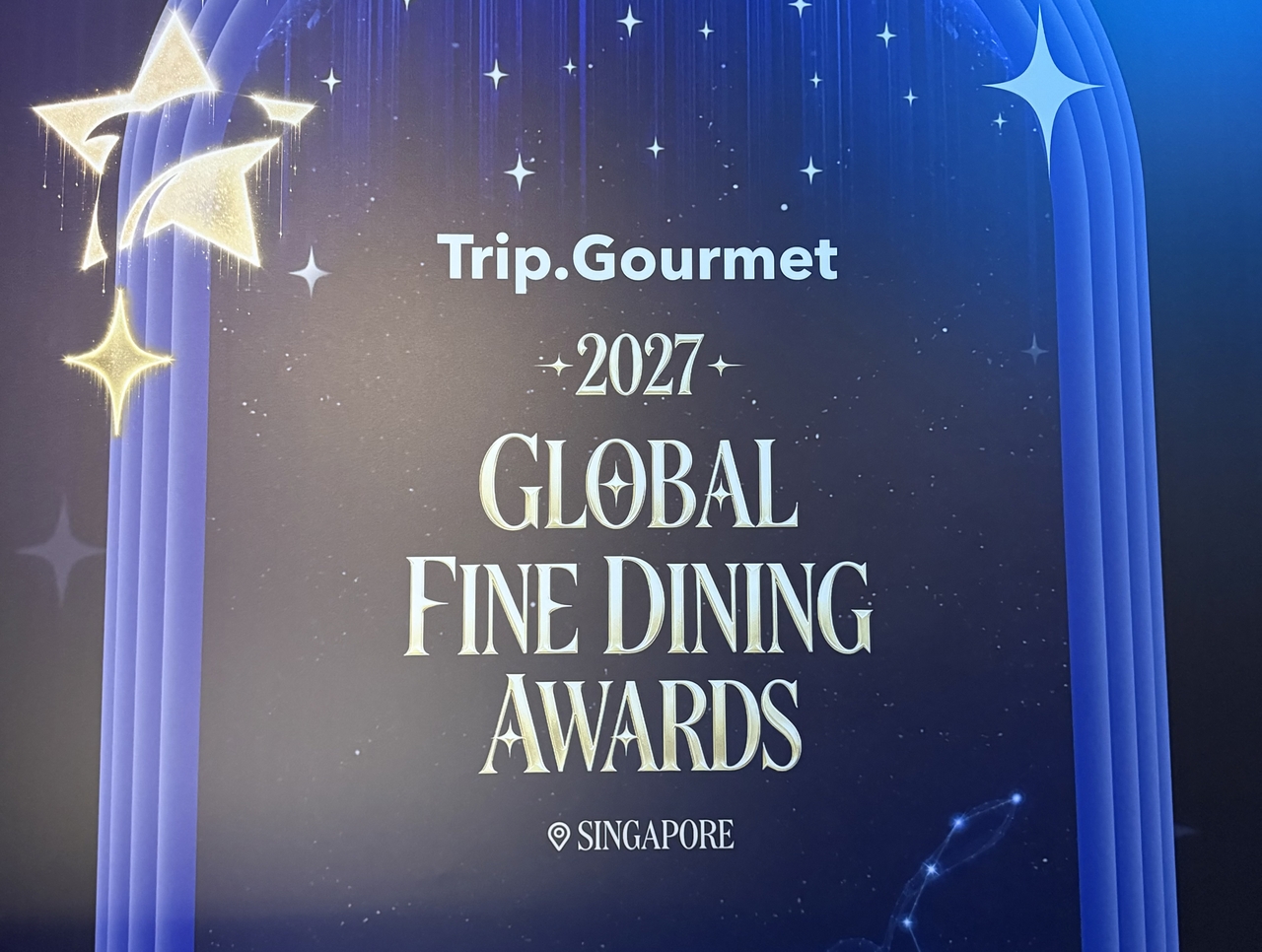
The event also saw the unveiling of Trip.Gourmet's flagship content, the 2027 Fine Dining List. This year's edition selected 744 restaurants across 105 cities in 40 countries and regions.
Of those, 14 were Korean restaurants, accounting for 1.88 percent of the total. While the share remains modest, the selection was seen as a testament to the global competitiveness of Korean fine dining, which has drawn international attention for spanning everything from traditional hansik, or Korean cuisine, to modern dining.
The Korean restaurants selected were Kwonsooksoo, La Maison Cicheti, Layon, Mosu Seoul, Mingles, Born and Bred, Bichaena, Seventh Door, Swaniye, Alla Prima, Onjium, Itanic Garden, Jungsik and Cornerstone.
The breadth of the selections — from traditional hansik to inventive modern dining — put Korean fine dining back in the spotlight. According to Trip.com's analysis, South Korea ranks among the countries with the highest preference for high-end culinary travel in the global market. The platform's Travel Gourmet Index for South Korea stood at 3.9, roughly four times the global traveler average of 1.0.
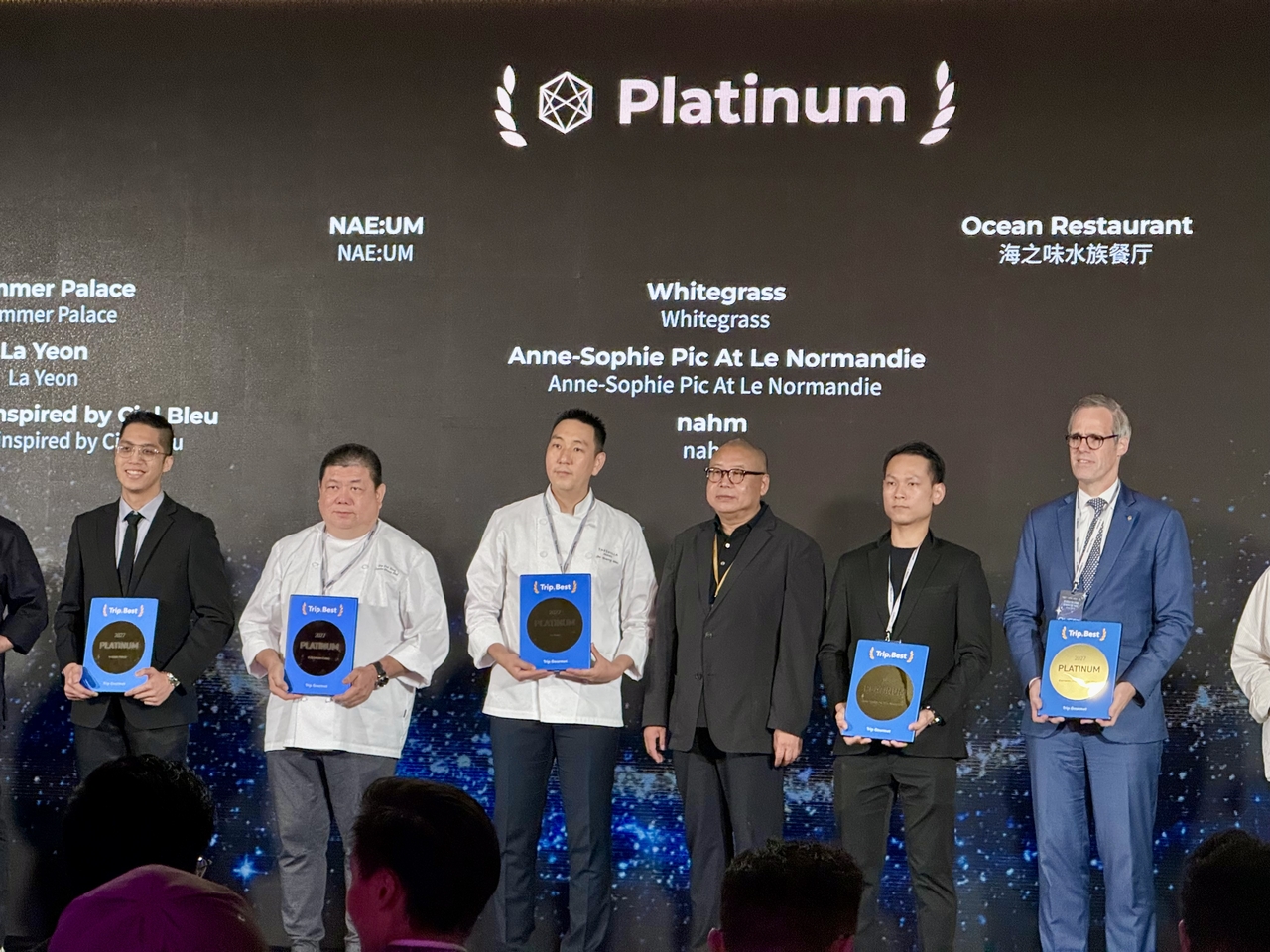
The event also served as a moment to take stock of hansik's rising global profile. Cha Do-young, head chef of Hotel Shilla's Korean restaurant Layon, which received a Platinum rating, said he feels the growing popularity of hansik firsthand. "Customers who visit our restaurant now want to experience Korean food culture and its stories, not just the cooking techniques," he said.
Dining moves to the center of travel planning
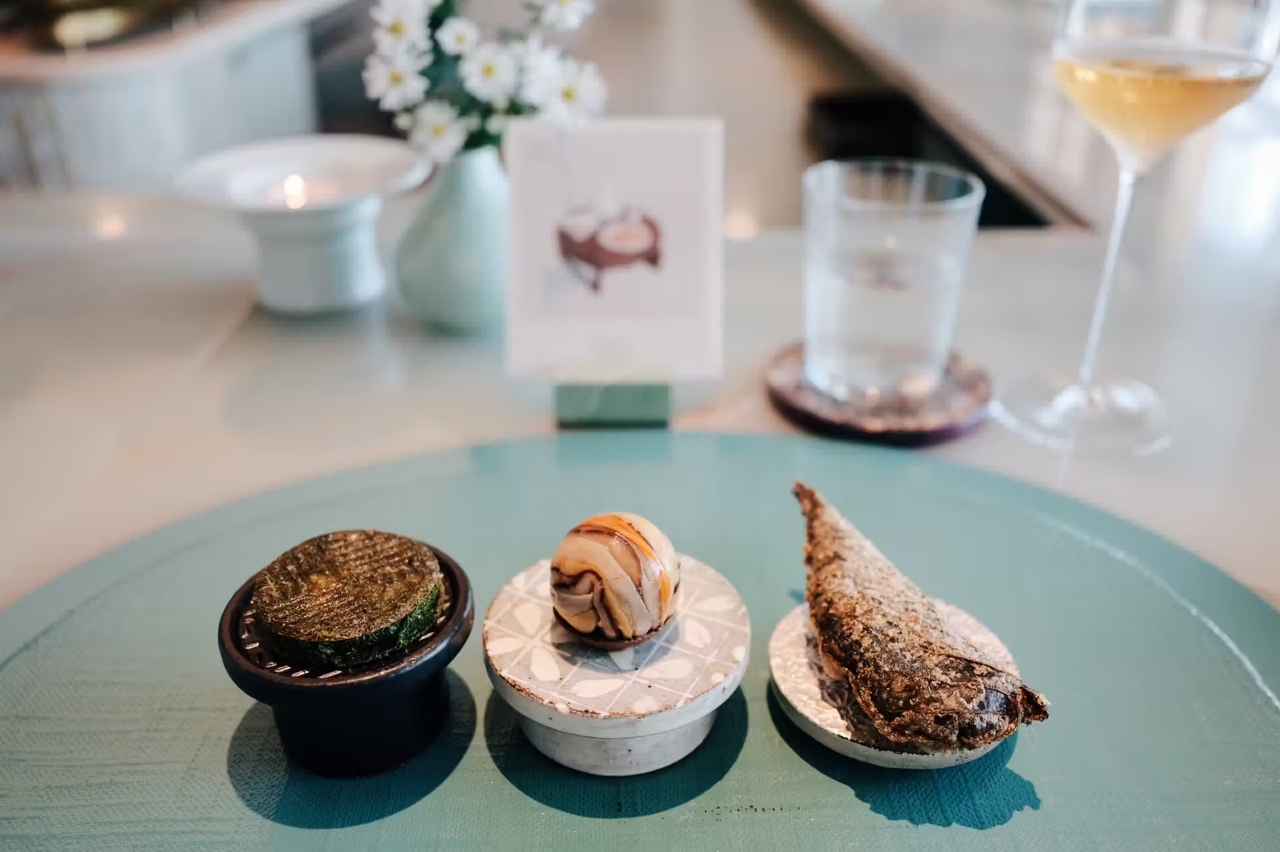
Food has moved well beyond a secondary element of travel — it now shapes the purpose and itinerary of a trip itself.
According to Trip.com, food-related searches on the platform jumped 45 percent over the past eight months. The number of specific search terms rose 46 percent, restaurant interest climbed 68 percent, and cafe and dessert searches increased 67 percent. Searches for local specialty foods jumped 725 percent.
The share of users who search for or ask about restaurant information before a trip was also 1.25 times higher than in January 2025. Users who browsed restaurant lists or asked dining-related questions within 30 days of departure spent 2.6 times more at their destinations than other users.
As the importance of culinary travel has grown, so has demand for authoritative, trustworthy information in unfamiliar destinations. Yet the reliability of such information has declined amid a flood of advertising and algorithm-driven viral content. In response, Trip.Gourmet has built a multi-layered evaluation system that combines quantitative data with on-site verification to provide travelers with credible dining information.
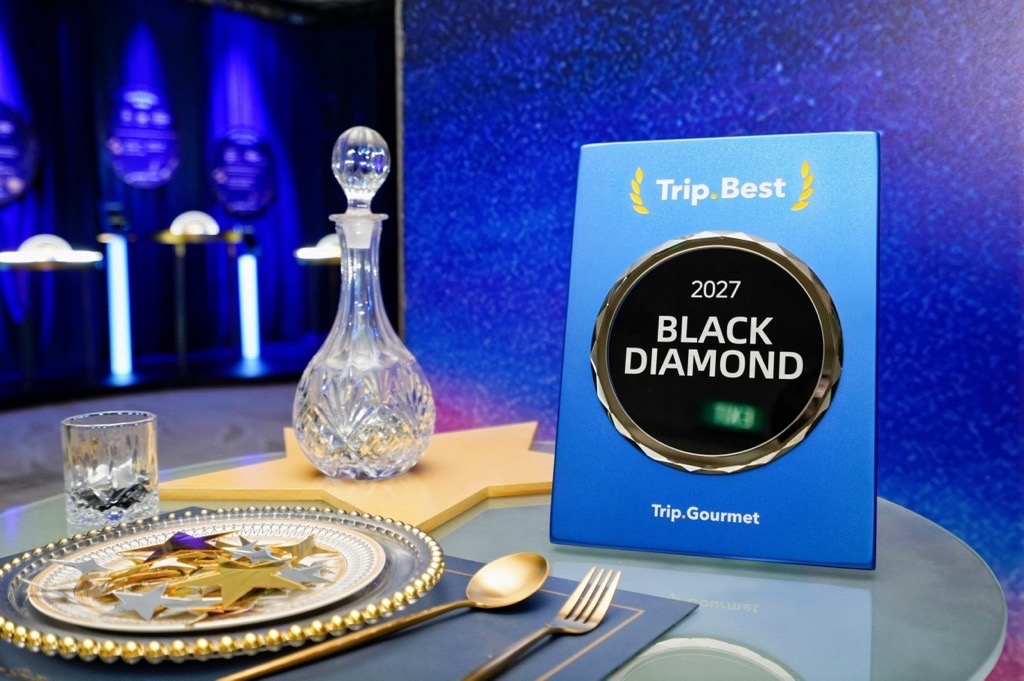
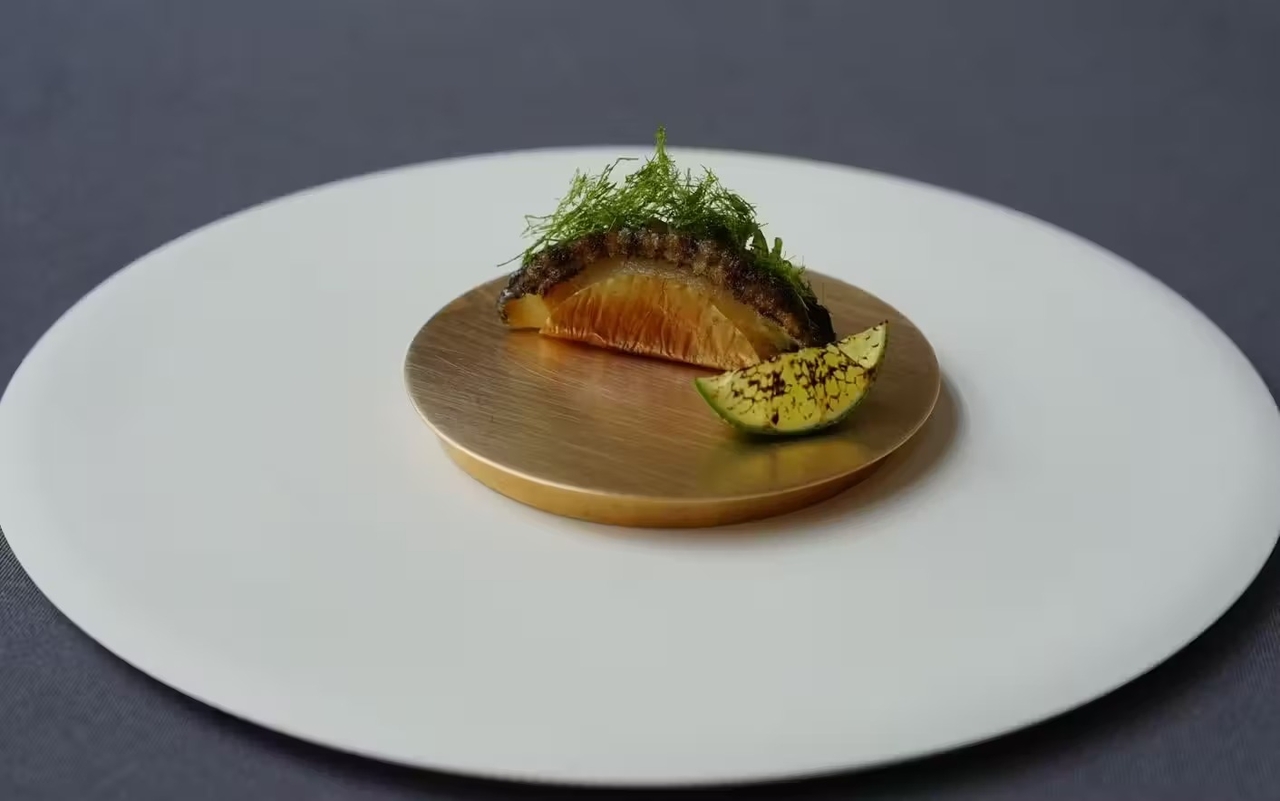
Trip.Gourmet's fine-dining ratings operate on a three-tier system named after gemstones. The top tier, Black Diamond, designates flagship restaurants with a distinctive culinary philosophy and world-class service and ambiance; 60 of the 744 restaurants this year received the designation. Diamond goes to high-end restaurants that deliver strong culinary execution and a consistent experience, with 160 restaurants earning the rating. Platinum recognizes restaurants offering refined tasting menus and excellent hospitality, and 524 restaurants were selected in that category.
Unlike conventional dining guides that focus primarily on taste, the evaluation weighs both flavor and practicality. It combines undercover inspections by professional evaluators with big data covering reservation convenience, proximity to tourist attractions, views and actual visitor reviews. This year's assessment incorporated 1,500 pieces of feedback from a global advisory panel of more than 3,000 people, as well as real visit data from high-engagement members with a strong interest in dining.
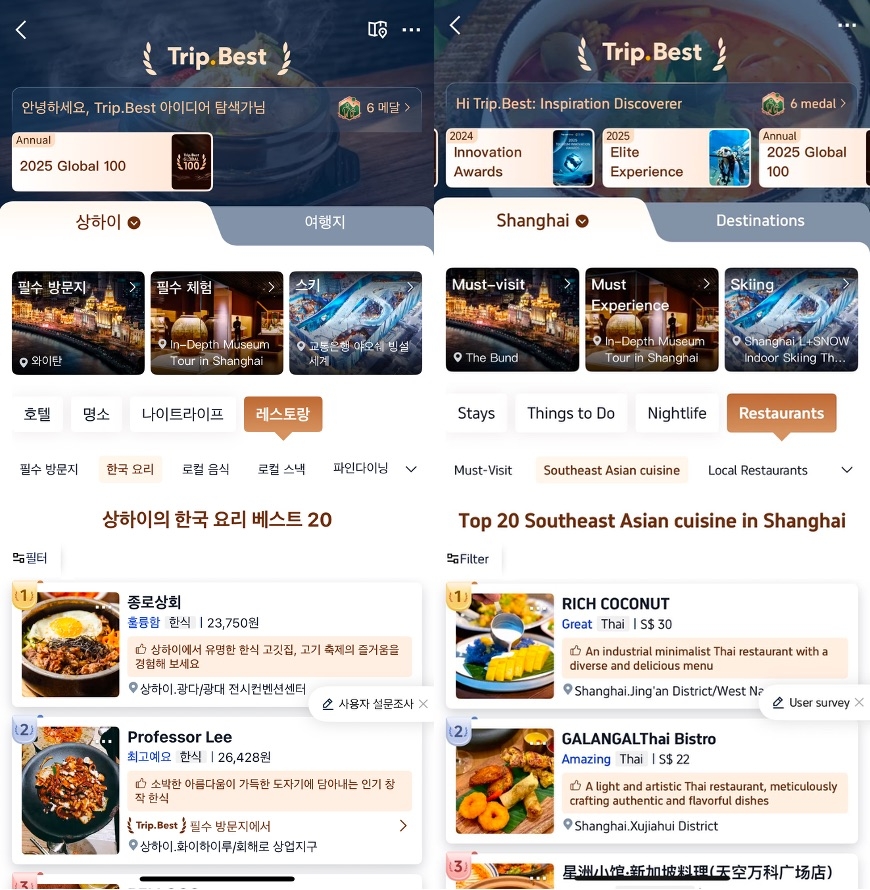
Recommended restaurants can be found in the TripBest section of the Trip.com app. The platform integrates hotel and attraction information with restaurant listings and reservation functions tailored to a traveler's itinerary, allowing users to plan a trip and book a table in one place.
A Trip.com spokesperson said selected restaurants receive a verified badge within the app that remains for one year. "We are helping travelers easily find where to go and what to do within the Trip.com app, without having to search other channels," the spokesperson said.
A growing reservation network expands global dining reach
Trip.Gourmet's fine-dining curation is backed by a reservation infrastructure that enhances its practical value. The platform operates a booking network spanning more than 43,600 restaurants worldwide. Smaller restaurants with limited marketing reach, in particular, can use a global platform like Trip.com to connect with food-focused travelers from abroad.
Ryu Tae-hyuk, the chef behind NABI, a Korean fine-dining restaurant in Shanghai, said that for a small-seating restaurant, meeting customers who understand its philosophy is paramount. "Partnering with a global reservation platform gives us a way to connect with more international culinary travelers beyond the constraints of our existing booking channels," he said.
Trip.com plans to combine its accumulated user review data with local dining infrastructure to respond to shifting culinary demand and expand its role as a platform that bridges tourism and dining.

Sun said Trip.Gourmet's mission is to help travelers discover restaurants worth visiting and book them with confidence. "We will continue to refine our data and deepen cooperation with local dining infrastructure to build a global culinary tourism ecosystem where travelers and restaurants are connected across borders," she said.
terry@heraldcorp.com