Loan curbs, supply shortage deepen rental crunch
Meals, health care and daily support all in one place
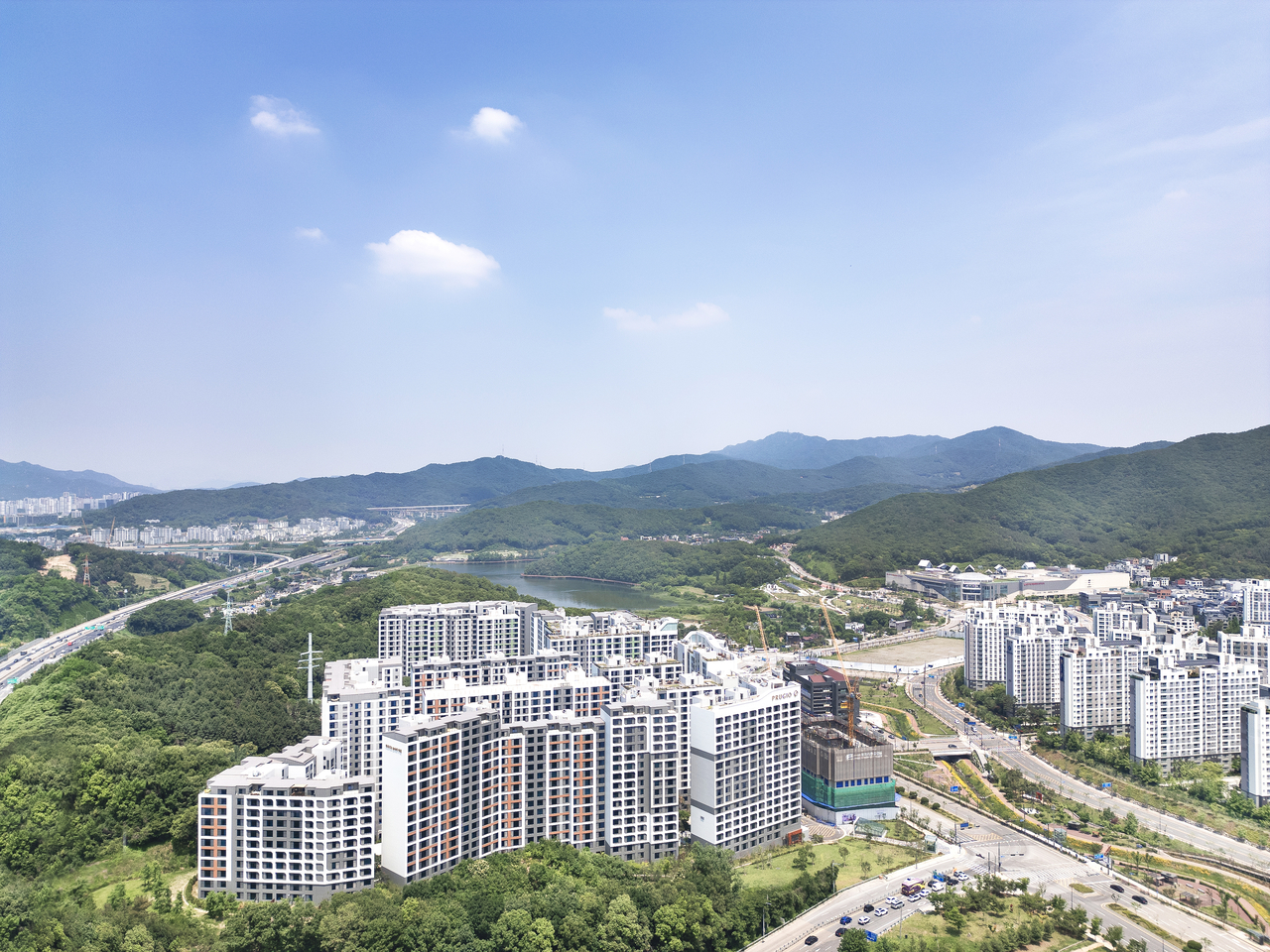
Baegun Lake Prugio Sup-sok-ui Achim draws attention
With jeonse listings shrinking and prices climbing, weakening the rental market, interest is rising in corporate rental housing and senior housing. Amid tighter household loan regulations and a supply shortage, these options are drawing attention for offering stable residence without sudden rent hikes.
Jeonse gives way to monthly rent: monthly-rent share hits 68.3% in July
According to the Ministry of Land, Infrastructure and Transport's July housing statistics released Thursday, nationwide jeonse transactions fell 22.3 percent year-on-year. As renters who could not find jeonse units or faced reduced loan limits shifted to monthly rent, the share of monthly rent contracts in all lease transactions from January through July rose to 68.3 percent.
As the shift from jeonse to monthly rent accelerates, tenants' monthly housing costs are rising with it. Market watchers point to loan regulations and supply lags as the key drivers.
The Financial Services Commission has announced it will raise its 2026 household debt growth target to 3 percent but has yet to release specific criteria, while maintaining a strict overall debt-management stance. In the Greater Seoul area and other regulated regions, mortgage loan limits vary by home price, and for single-home owners, interest payments on jeonse loans are now factored into the debt service ratio. As a result, borrowers' income and existing debt have become more important than before — not only for home purchases but also for financing jeonse deposits.
Supply-side lags are also weighing on the jeonse market. The government has officially acknowledged the contraction in housing supply that has continued since 2022. The decline in permits and ground-breakings from that period is translating into fewer move-ins scheduled for 2026, and the government's announcement in August of plans to add more than 230,000 housing units in the Greater Seoul area underscores how serious concerns over the mid- to long-term supply shortage have become. It will take time, however, before newly designated sites and ground-breakings translate into actual move-ins.
Higher holding costs for landlords — including interest expenses, property tax and comprehensive real estate tax — are also cited as a factor reducing jeonse listings. The 2026 tax reform is being discussed with an eye toward protecting owner-occupants of a single home while adjusting the tax burden on high-value homes, non-resident homes and multiple-home ownership. Registered rental housing can be excluded from comprehensive real estate tax aggregation if certain conditions are met, but ordinary landlords must weigh taxes, financing costs and lease management costs together.
As landlords weigh holding taxes and financing costs, long-term rental housing draws interest
With homeownership and finding a desired jeonse unit both increasingly difficult, corporate rental housing and senior housing are emerging as new options, offering stable long-term residence without sudden rent hikes. Senior housing, in particular, stands apart from ordinary jeonse and monthly-rent arrangements by providing not only tax advantages but also meals, health care and daily living support services.
Aging demographics and the growing number of one- and two-person elderly households are reinforcing this trend. Consumers who once compared only floor area and price have begun weighing the "sustainability of daily life" — including fall prevention, meals, emergency response and social interaction. Senior apartments are increasingly viewed not just as a real estate product but as infrastructure for later-life living.
Senior housing is expanding nationwide, no longer confined to a handful of upscale complexes in the Greater Seoul area. The government supplies about 3,000 units annually of elderly welfare housing that combines residential and welfare services, while diversifying housing types to include Silver Stay for middle-class and homeowning seniors, as well as private silver towns.
Prominent examples include Noble County, operated by Samsung; KB Golden Life Care Jongno Pyeongchang County, run by KB Group; Baegun Lake Prugio Sup-sok-ui Achim, built by Daewoo Engineering & Construction and operated by MDM Group; and VL Le West, built by Lotte Engineering & Construction with operational support from Lotte Hotel.
Public elderly housing led by the Korea Land and Housing Corporation and local governments is also being supplemented by service-based housing from private companies and real estate investment trusts, giving rise to residential models that combine medical care, caregiving and leisure — not only in the Greater Seoul area and major cities but also in smaller provincial cities.
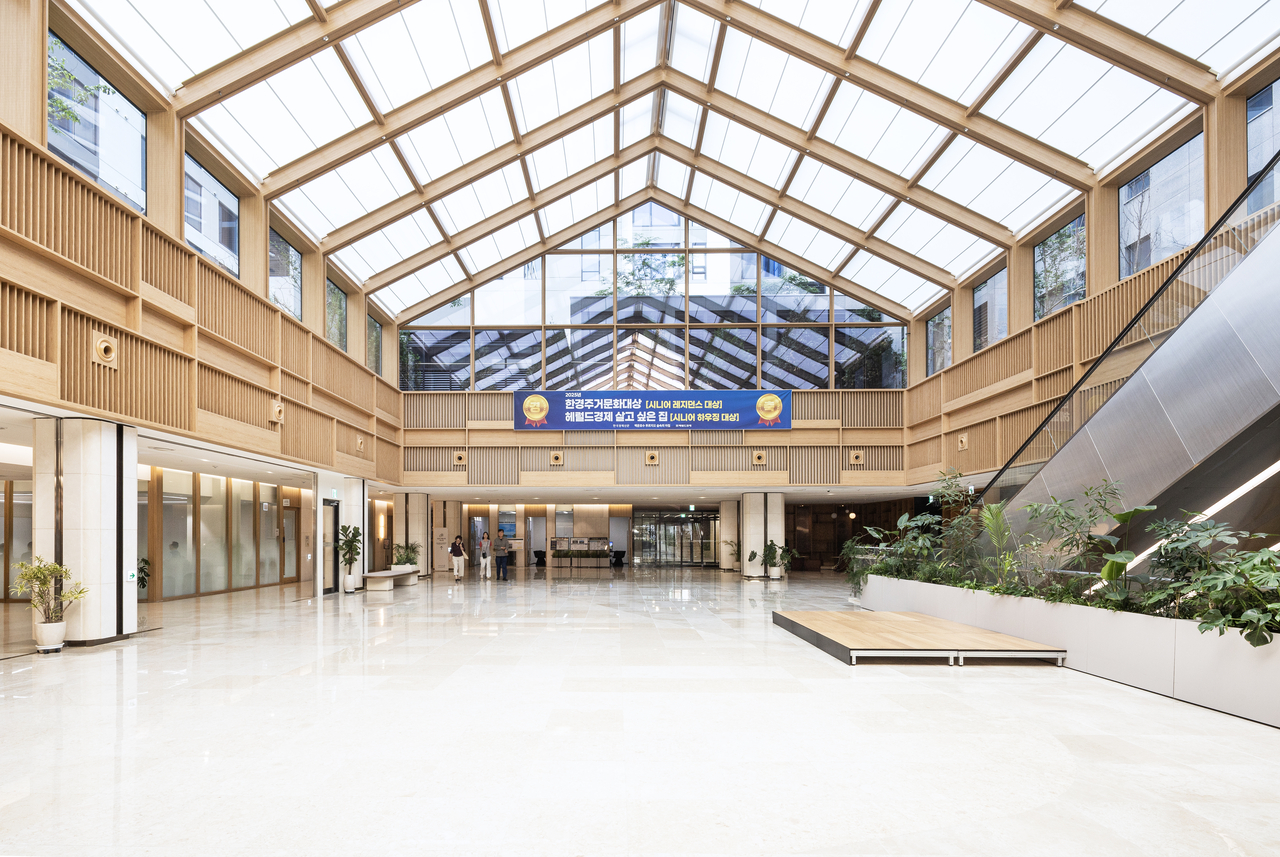
Among privately operated senior housing complexes, Baegun Lake Prugio Sup-sok-ui Achim, near Baegun Lake in Uiwang, Gyeonggi Province, has recently earned the highest resident satisfaction ratings. The complex comprises 536 units of elderly welfare housing and 842 residential officetel units. Visitors inquiring at the complex's information desk or at nearby real estate offices ask not only about floor area or views but also whether meals can be arranged daily, how conveniently they can access hospitals and health care services, and who would respond and how in the event of an emergency while living alone.
Stepping inside a unit, the layout designed for daily living is immediately apparent. Thresholds and floor-level differences are minimized, and bathroom handrails, an entryway bench and an emergency call device are installed to guard against falls and other emergencies. According to a complex official, the focus was not on adding complicated equipment but on lowering barriers to movement and use, extending the period residents can live independently.
The complex links meals, health care, housekeeping, laundry and daily living guidance into a single, convenient service for residents. A health care nurse is on-site full time, and the complex has established cooperative arrangements with medical institutions including Asan Medical Center and Hallym University Medical Center. The premise is that in-home safety design and daily living services must work together for independent living to be sustained over the long term.
"The burden of preparing every meal on my own has eased, and knowing I can immediately ask a nurse for help when needed puts my mind at ease," said a resident identified as Y, 75.
Meals, exercise, social ties: layouts optimized to give residents reasons to step outside
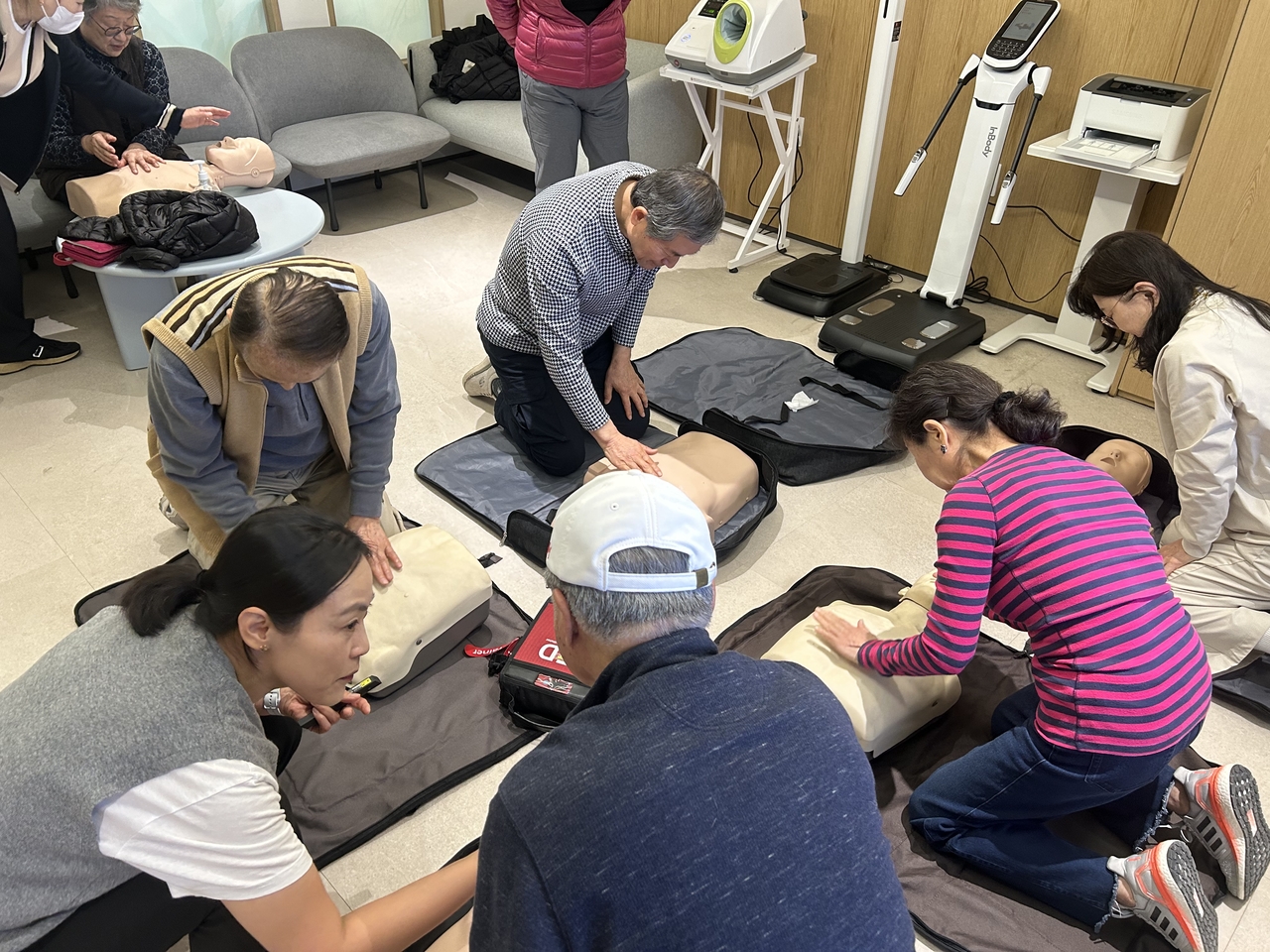
In a roughly 11,000-square-meter community space at the center of the complex, residents eat together at a shared dining hall, exercise at the pool and fitness area, and meet neighbors and friends through various classes and clubs. At a stage of life when social ties tend to shrink after retirement, the complex builds regular activity and natural social interaction into daily life.
What matters more than the scale of the facilities is ensuring that participation continues consistently. The quality of senior housing does not end when a building is completed — it depends on how consistently meals, health care, programs and resident relationships are managed over time. MDM Group has established M Fore, a firm dedicated to operating elderly welfare housing, to help residents redirect the time and energy they once spent on home maintenance toward health, hobbies and social interaction.
"Being able to share meals with acquaintances and friends has added vitality to my life," said a resident identified as H, 68. "The emergency call buttons placed throughout the unit also ease my worries about safety."
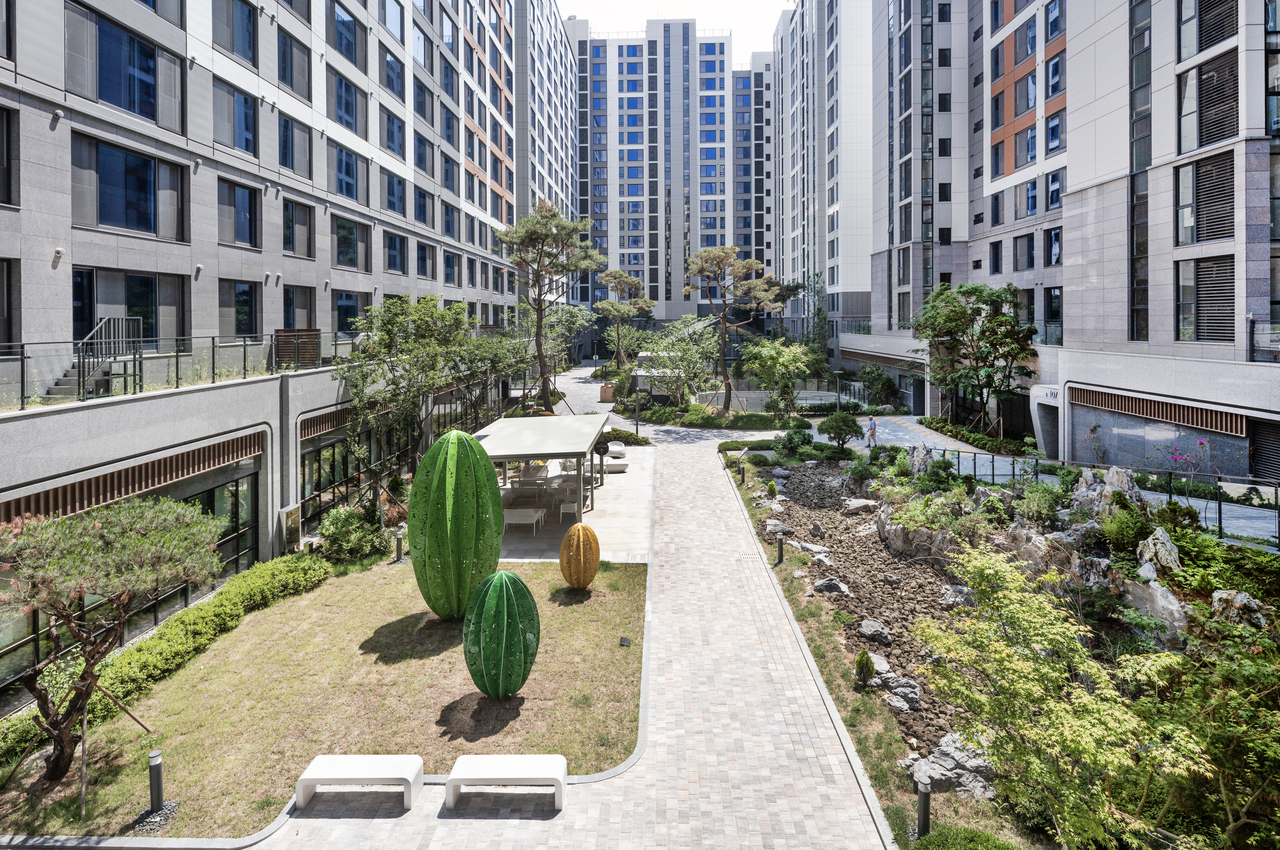
Among elderly welfare housing complexes, the biggest advantage of Baegun Lake Prugio Sup-sok-ui Achim in Uiwang is its structure: elderly welfare housing and officetel units sit within the same complex, creating a multigenerational community where parents and children can maintain separate lives while staying close.
Parents can live independently while using the services they need, and children can visit frequently without shouldering the full burden of daily caregiving. It narrows the gap between living together under one roof to provide care and living far apart in independence.
For senior housing to become a mainstream option, consumers need to be able to easily compare move-in costs and monthly living expenses, the consistency of service quality, the stability of the operating entity, and the scope of medical and care services. Standards are also needed to assess how consistently essential daily services are actually delivered, rather than how lavish the facilities appear.
Even so, experts say senior housing — which pairs stable residence with daily living services — is taking on greater significance amid growing uncertainty in the jeonse and monthly rent market driven by loan regulations, supply shortages and rising housing holding costs.
"A housing model that lets seniors take charge of their own lives while receiving the help they need close at hand is likely to become a practical option for living longer, more stably and independently in a super-aged society," an industry official said.
hss@heraldcorp.com