Ministry of Planning and Budget holds third meeting of Fiscal Management Normalization TF
Also pushes to improve lottery fund's statutory allocation adjustment system
Plans to enact law creating fund to encourage subsidy fraud reporting within the year
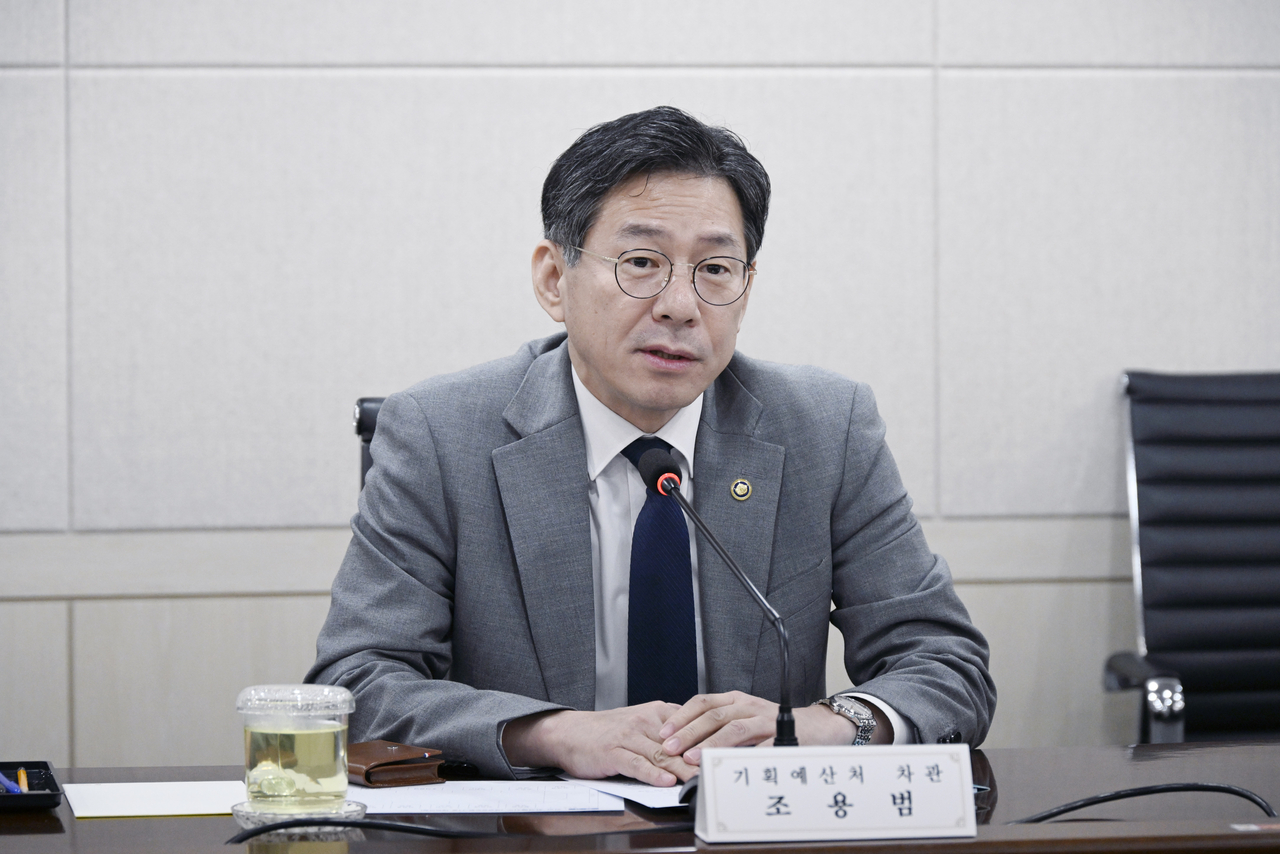
The government is pushing to raise the threshold amount that triggers a preliminary feasibility study for social infrastructure projects. It is also considering unifying fiscal information now scattered across various agencies so the public can access it more conveniently. It is also weighing a more flexible adjustment of the statutory allocation ratio of the lottery fund.
The Ministry of Planning and Budget said Friday it held the third meeting of its Fiscal Management Normalization Task Force at Government Complex Sejong. Vice Minister Cho Yong-bum presided over the meeting, which discussed a second round of normalization tasks.
The task force was launched in May as part of the government's "National Normalization Project," aimed at realizing its policy goal of "a nation with its fundamentals in place." It is tasked with identifying and fixing irrational systems and practices that remain in fiscal management.
The task force discussed three new items. They included unifying fiscal information disclosure with a focus on users, rationalizing the preliminary feasibility study system, and improving the adjustment mechanism for the lottery fund's statutory allocation ratio.
The government will first reorganize fiscal information now dispersed across ministries and agencies from a user's perspective and disclose it in an integrated format. The goal is to overhaul the information-provision system so the public can more easily find and use the fiscal data they need.
The preliminary feasibility study system, which vets large-scale fiscal projects before they proceed, will also be revised. Officials discussed raising the threshold amount for SOC-related feasibility studies to reflect rising prices and project costs. Currently, new projects are subject to a feasibility study if total project costs reach 50 billion won ($37.4 million) or more. Government fiscal support must also reach 30 billion won or more.
The government will also improve the adjustment mechanism that allows the lottery fund's statutory allocation ratio to shift based on project performance. By law, a fixed share of the fund is distributed to various institutions and funds. The government plans to review ways to reduce the rigidity of that structure and improve the efficiency of fiscal operations.
A review found that all five first-phase normalization tasks selected earlier are proceeding as planned. Those tasks were eradicating fraudulent claims for state subsidies, strengthening management of unsettled and uncollected subsidies, and establishing a public interest whistleblower incentive fund to encourage reporting of fraud. They also included normalizing research and development investment and restoring trust, and improving the payment of unclaimed lottery winnings.
In particular, the government plans to finish revising the Subsidy Management Act and enacting the Public Interest Whistleblower Incentive Fund Act within the year. The goal is to prevent fraudulent claims for state subsidies and encourage reporting of such fraud.
The Ministry of Planning and Budget will finalize detailed implementation plans for the second-phase tasks after consulting with relevant agencies. At the fourth meeting in October, it plans to review the progress of the finalized tasks and disclose their status and outcomes.
"The process of normalizing what is abnormal is a good opportunity to raise public trust in fiscal authorities," Vice Minister Cho Yong-bum said. "We will continue pushing for normalization in fiscal management without pause."
fact0514@heraldcorp.com