First-time buyers made up 53.8 percent of Seoul home purchases in August
Jeonse and rental crunch pushes more buyers into the market
People in their 30s account for over half of first-time purchases as 'survival buying' persists
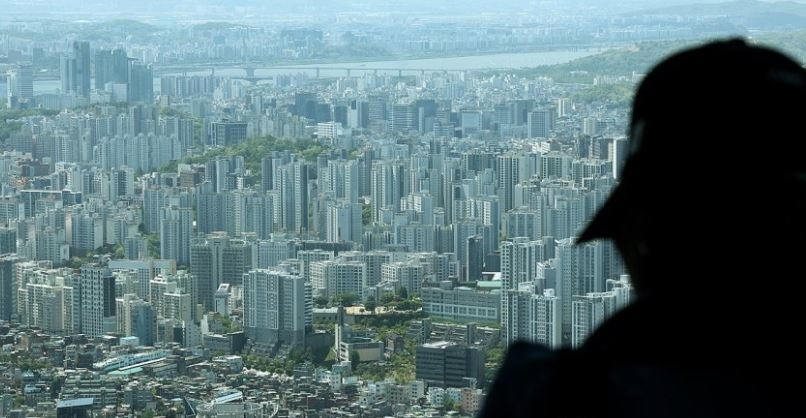
The share of first-time homebuyers in Seoul has hit a record high, as worsening jeonse and rental conditions continue to fuel anxiety over housing prices.
According to the Supreme Court's registration information portal on Thursday, 17,371 ownership transfer registrations were filed for apartments, multiplex housing and officetels in Seoul in August, with first-time buyers accounting for 53.8 percent of the total -- the highest share since the Supreme Court began releasing the data in January 2010.
The share of first-time buyers has been climbing as prices for low- and mid-priced homes rise and the housing supply crunch deepens. The government's Oct. 15, 2025, measures designated all of Seoul as a regulated area and tightened loan rules. The expansion of land transaction permit zones also made it harder to buy homes using loans or jeonse arrangements. As a result, young buyers have increasingly turned to low-interest policy loans to engage in what is known as "survival buying." The term describes a phenomenon in which people without homes are forced to purchase a property to secure a place to live amid a shortage of available units.
The number of jeonse contracts has also fallen sharply amid the worsening jeonse crunch. According to the Seoul Real Estate Information Portal, the number of jeonse contracts for Seoul apartments in August, tallied as of Thursday, stood at 7,058. That is down nearly 4,300 from 11,357 a year earlier. The sharp decline in jeonse supply has pushed up rents. The average jeonse price for Seoul apartments surpassed 700 million won ($522,000) last month for the first time since KB Real Estate began compiling the data.
Monthly rents tell a similar story. According to the Korea Real Estate Board, the average monthly rent for Seoul apartments stood at 1.62 million won as of July. That is up 14 percent from 1.42 million won in June 2025, when the Lee Jae Myung administration took office.
Amid this environment, many people without homes appear to be concluding that they would rather buy a home than keep paying rent.
Under the current lending regulations, first-time homebuyers in Seoul are allowed a loan-to-value ratio (LTV) of 70 percent, unlike regular borrowers, whose LTV ratio was cut to 40 percent. Policy loans such as "bogeumjari" loans, a government-backed mortgage program, are also exempt from debt service ratio (DSR) regulations. This gives first-time buyers more room to borrow without being directly subject to DSR limits.
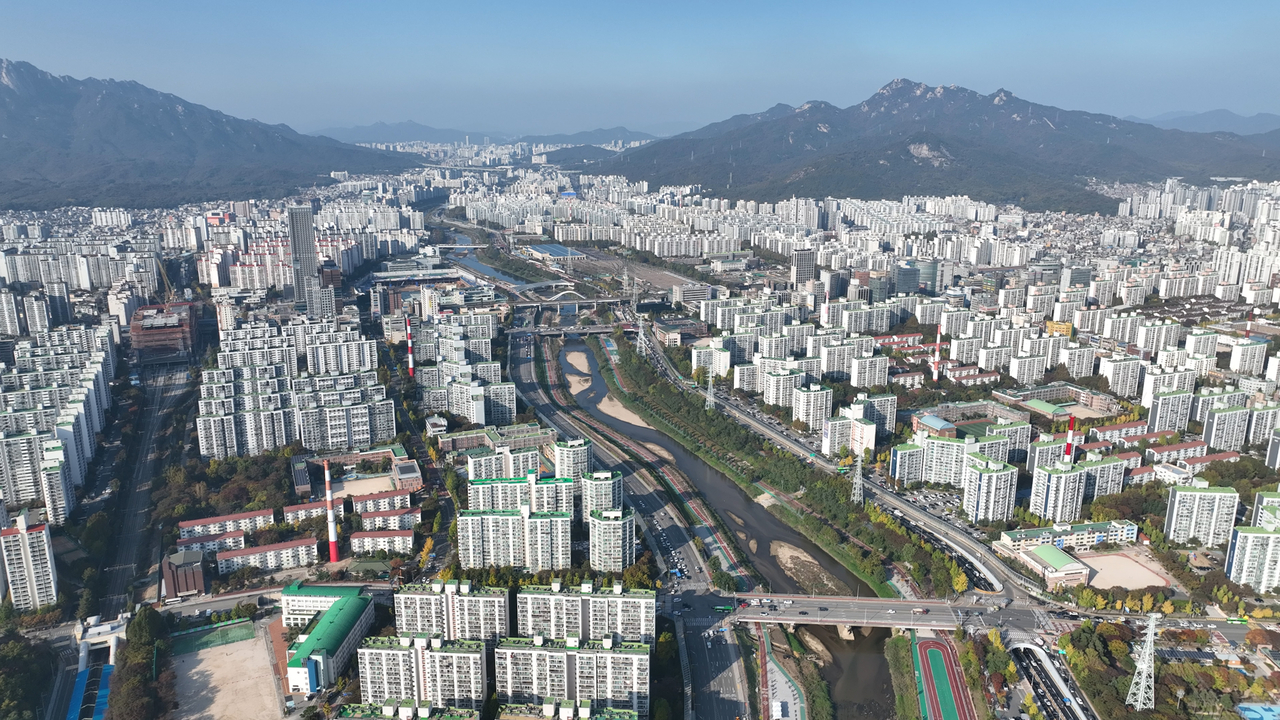
Last month, first-time buyers filed 9,343 ownership registrations for apartments, multiplex housing and officetels in Seoul. That was the highest monthly figure in six years, since August 2020, when the number stood at 12,318. Buyers in their 30s accounted for 4,855 of those transactions, or 52 percent of all first-time purchases, more than double the 2,419 recorded by those in their 40s.
The share of first-time buyers has been climbing steadily this year. From January to August, first-time buyers accounted for 47.7 percent, or 57,416 of the 120,485 total transactions for multi-unit buildings in Seoul. That was up from 39,728 transactions, or 37.9 percent, during the same period last year -- an increase of nearly 10 percentage points.
That marks an increase even compared with August 2020, when first-time buyers also topped 10,000 transactions and made up 40.3 percent of the 25,396 total deals that month.
However, industry watchers have raised concerns that this aggressive buying trend could signal a return of the so-called "yeonggeul" buying spree seen during the Moon Jae-in administration. The term refers to young buyers taking on maximum debt to purchase homes.
Rep. Kim Jong-yang of the People Power Party, a member of the National Assembly's Land, Infrastructure and Transport Committee, obtained fund sourcing plans from the Ministry of Land, Infrastructure and Transport. The data showed that people in their 30s spent about 39.6 trillion won on home purchases from Feb. 10 to the end of July this year. That was the highest amount among all age groups, accounting for 37 percent of the total purchase amount of about 106.97 trillion won.
People in their 30s, who tend to have less capital than older generations, rely far more heavily on bank loans. Of the total amount, 15.87 trillion won was financed through financial institution loans, accounting for 40.1 percent of the home purchase amount for buyers in their 30s -- notably higher than the 25.1 percent for those in their 40s and 14.5 percent for those in their 50s.
During this period, the total loan amount listed in the fund sourcing plans came to 28.35 trillion won, with buyers in their 30s accounting for 56 percent of that figure.
hope@heraldcorp.com