
New direct ramp to Gangbyeon Expressway and regional bus transfer center to ease traffic congestion... Han River landmark and large-scale job creation to revitalize local economy... dedicated task force and resident outreach to manage complaints and ensure swift, stable project execution
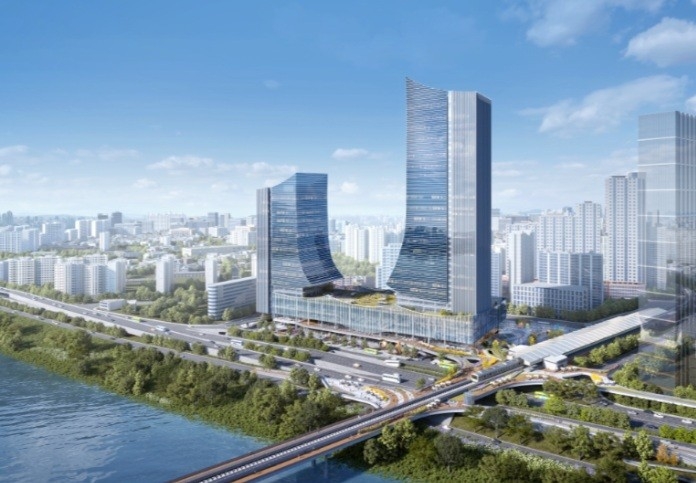
Gwangjin-gu has kicked off its Dong Seoul Terminal Modernization Project.
The district plans to transform the area around Gangbyeon Station into a new growth hub for northeastern Seoul that combines transportation, commerce and culture.
The district has drawn up a detailed implementation plan for the project, a top priority of the ninth popularly elected local administration. It is moving forward with a comprehensive push covering transportation improvements, a Han River landmark, job creation, and resident safety and communication.
The centerpiece of the project is a sweeping overhaul of the area's traffic system. The district will build a new ramp connecting directly to Gangbyeon Expressway and construct a regional bus transfer center to spread out large bus routes. This is expected to ease chronic congestion in the vicinity.
In addition, a new entrance directly linking Gangbyeon Station to the terminal will be built, greatly improving convenience for commuters transferring between the two.
The district will also build a "Han River landmark" combining cultural and commercial functions. The terminal site will house a cultural performance facility, office space, a rooftop garden and a tower observation deck.
The district will connect the Han River and the terminal — long separated by Gangbyeon Expressway — with a pedestrian deck. This will greatly improve access to the Han River park and allow residents to enjoy the river more easily in their daily lives.
The district will also strengthen residents' living environment and safety. It will raise the disaster-prevention target for the Guui retention basin to improve disaster response capacity. It will also place the terminal facilities entirely below ground to minimize exhaust fumes, noise and other environmental disruptions.
The area near the main site is a dense residential zone with apartments. The district plans to strictly manage noise and airborne dust generated during construction to avoid inconveniencing residents.
Alongside this, the district aims to revitalize the local economy by creating large numbers of jobs through attracting large shopping malls and mixed-use commercial facilities.
To ensure the project proceeds swiftly and steadily, the district launched a Dong Seoul Terminal task force in July and set up a close cooperation system among related departments. It also formed a communication council to prevent complaints and conflicts that may arise during construction, actively gather resident opinions and maintain ongoing dialogue.
The modernization project will begin with the relocation of a temporary bus stop in the first half of 2027, followed by permitting procedures for groundbreaking at the main site. Final completion is targeted for 2031.
"The Dong Seoul Terminal Modernization Project is a key priority of the ninth popularly elected administration that will shape Gwangjin-gu's future," said Kim Kyung-ho, Gwangjin-gu district mayor. "We will communicate closely with residents to minimize inconvenience and work with the Seoul Metropolitan Government and other related agencies to make this a new growth hub for Gwangjin."
seouldream01@heraldcorp.com




