'Child protection, from prevention to recovery'
A stronger safety net built on swift coordination
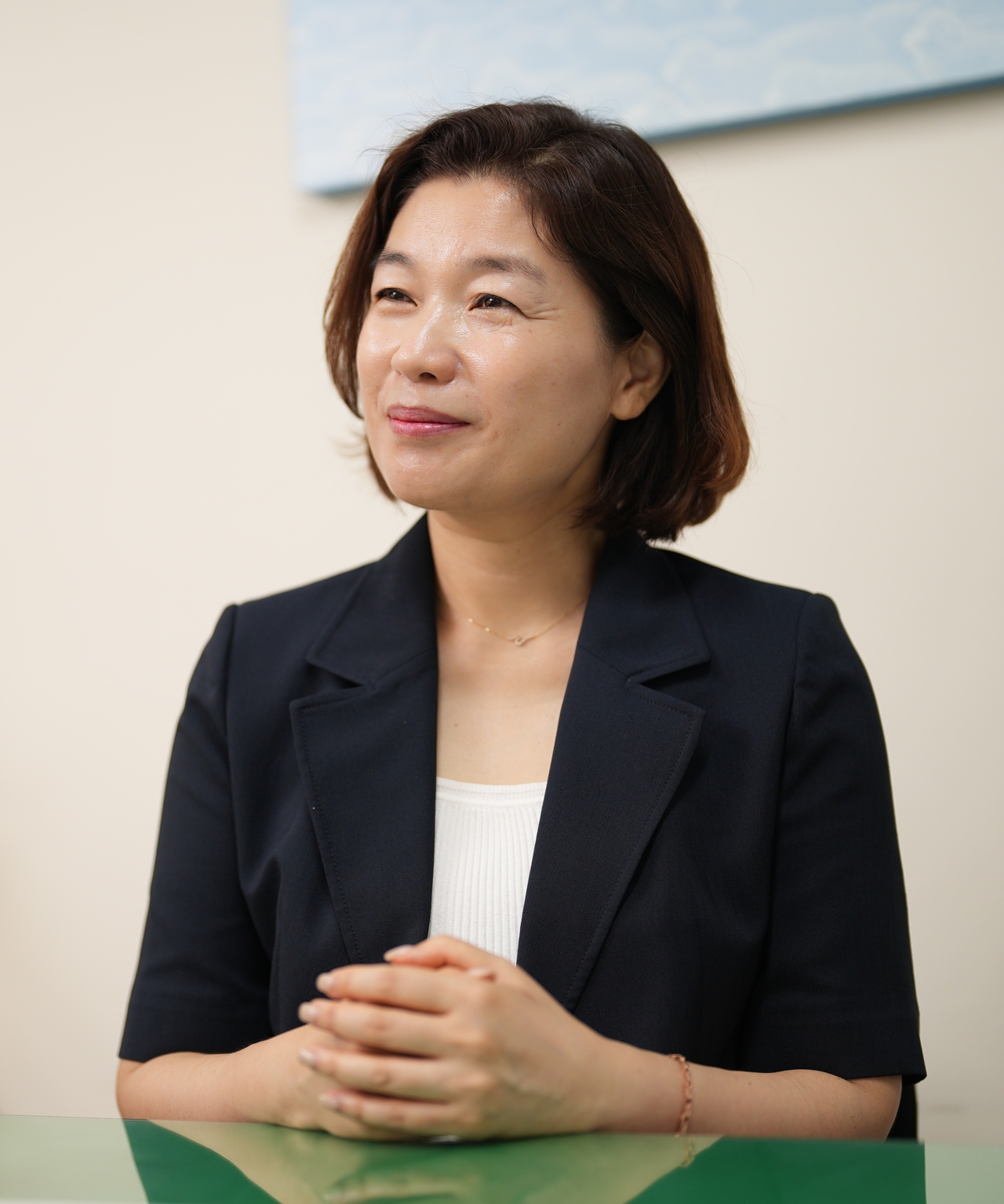
"The most important thing is building a solid fence where every single child can feel, 'I am safe and protected.'"
Park Mi-young, director of the Seoul Metropolitan Child Welfare Center, said child protection in Seoul must evolve beyond simple custody into a system spanning prevention, treatment and recovery. While the child population is shrinking, the circumstances facing children who need protection are growing more complex.
The Seoul Metropolitan Child Welfare Center has been on the front lines of child protection for more than 60 years since opening in 1963. Today it handles everything from emergency shelter for children in need to counseling and treatment for abuse victims, case management during protective proceedings, and coordination with related agencies — serving as the city-wide hub of Seoul's child protection system.
Park's particular focus is the mental health of children in care. Because experiences during childhood shape psychological and emotional development, she said sustained attention and support are needed even after a child enters protection. The system must go beyond short-term counseling — detecting warning signs early, connecting children to specialized treatment, and continuing support even after their care environment changes.
She also identified adoption as an area requiring careful attention to ensure a stable protection system. The center must closely examine information gaps, procedural difficulties and post-adoption follow-up problems that arise before and after adoption, and work to strengthen the relevant policies, she said.
The standard for protection is a child's safety, not administrative convenience
On responding to child abuse, Park stressed inter-agency cooperation and swift action. Securing a child's safety and accurately assessing the situation after a report requires agencies to work in concert rather than staying within their own lanes, she said.
The Seoul Metropolitan Child Welfare Center coordinates cases and supports inter-agency linkages to ensure that necessary services — from initial response to protective measures, treatment and follow-up — remain connected for children suspected of being abused. Park said the speed of the initial response is directly tied to a victim's safety, making it all the more important to strengthen field-centered collaboration.
She also said that returning children to their birth families must be guided first and foremost by the child's safety. Where there is a realistic prospect of restoring family functioning, the center should help families rebuild a stable caregiving environment through counseling and treatment. But when the risk of re-abuse is high or safety cannot be guaranteed, an alternative care arrangement must be secured without delay.
Park also flagged the working conditions and burnout of frontline staff as factors directly tied to the quality of child protection. Given the heavy emotional demands and the need for expert judgment the work entails, she said stable staffing, adequate training and psychological recovery support are essential.
To that end, the Seoul Metropolitan Child Welfare Center is advancing "Care One," an integrated support model for frontline workers. The initiative focuses on easing the burdens staff face on the job and creating an environment where they can sustain their professional capabilities — through psychological support, expert consultation and peer support networks.
Park said child protection cannot remain the responsibility of any single agency. On top of the roles played by government and frontline organizations, the entire community must build a social safety net that watches over children's welfare, she said.
The vision of child protection in Seoul that Park describes does not stop at keeping children safe inside a facility. It is a continuous protection system — one that identifies risks early, connects children to the help they need, and guides them through treatment and recovery toward stable growth.
In an era of declining child population, policy must center not on numbers but on each individual child. Building a system where children receive help swiftly when they need it, and where support continues even after they leave formal protection — that is the direction Seoul's child protection policy must pursue.
7toy7@heraldcorp.com