
Korea-US operation 'OP. Silent Sweeper III' and Korea-Netherlands operation 'OP. Worm-Hole IV' conducted; dedicated drug intelligence unit planned at headquarters
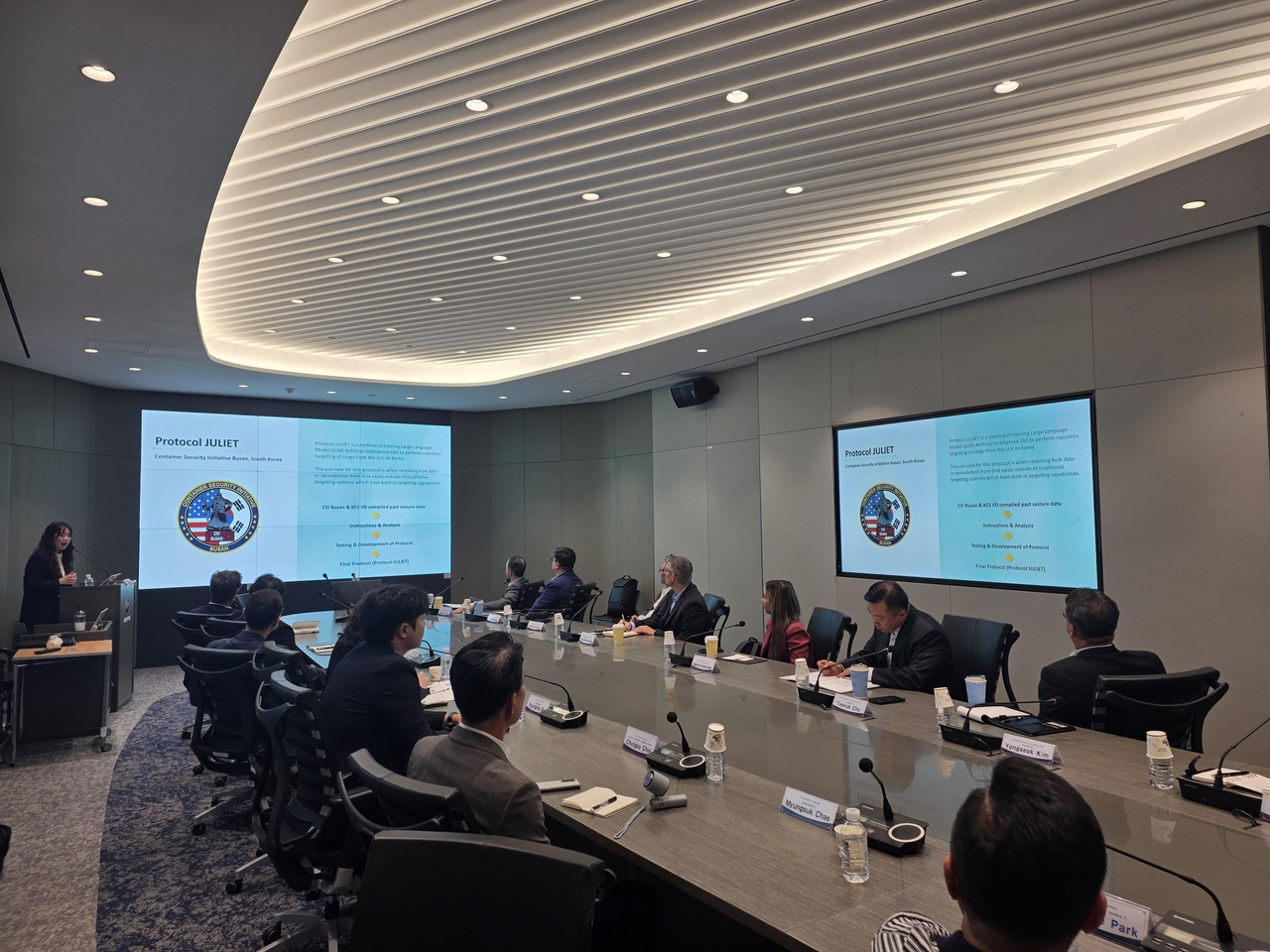
The Korea Customs Service has achieved significant results in drug enforcement through international cooperation with the United States and the Netherlands.
The agency announced Thursday that it conducted the third Korea-US joint drug smuggling crackdown operation — OP. Silent Sweeper III — with major US drug enforcement agencies throughout June, seizing 39 cases involving 7.1 kilograms of narcotics.
Now in its third year, the joint operation has both countries' customs authorities intensifying intelligence analysis and inspections of high-risk shipments carrying drugs from the US to South Korea, covering every stage from departure to domestic arrival.
The two sides established operational command centers at Incheon Airport's express courier center and Los Angeles International Airport, conducting joint intelligence analysis, screening and inspections through advance information sharing and reciprocal staff deployments.
A key feature of the operation was an organic cooperation system: whenever narcotics were detected, information on senders, recipients, smuggling routes and concealment methods was immediately shared, allowing each customs authority to conduct expanded analysis and focus inspections on related targets.
Drugs seized from US-origin shipments during the operation totaled 39 cases and 7.1 kilograms — including 1.8 kilograms of methamphetamine, 1.1 kilograms of cannabis and 4.2 kilograms of illegal pharmaceuticals containing narcotic substances.
The cumulative results across all three Korea-US joint operations now stand at 74 cases and 40.9 kilograms — enough to supply about 1.36 million simultaneous doses based on a single methamphetamine dose of 0.03 grams.
An analysis of seizure trends shows the average weekly case count jumped sharply, from five cases during the first operation to 9.7 cases during the third.
Methamphetamine and cannabis still account for the largest share by category. Notably, the operations recorded the first-ever seizure of "rush," a new type of narcotic, and the volume of illegal pharmaceuticals containing drug substances rose 300 percent — from 1 kilogram last year to 4 kilograms this year.
Beyond the US, the Korea Customs Service is broadening international cooperation with other major drug-source countries on all fronts. A fourth Korea-Netherlands joint drug smuggling crackdown operation — OP. Worm Hole IV — conducted with Dutch customs authorities over two months from May through June netted six cases totaling 1.9 kilograms of narcotics originating from the Netherlands. The agency also successfully carried out operations to intercept drug smuggling from Southeast Asian countries including Cambodia, Thailand and Laos during the first half of this year.
Korea Customs Service Commissioner Lee Jong-wook said close inter-governmental cooperation and an information-sharing framework are essential to effectively blocking drug smuggling as a transnational crime. He added that the agency is working to establish a dedicated drug intelligence unit within its headquarters to build a precise drug interdiction network at the border and track overseas drug supply organizations.
"We will further strengthen international cooperation with enforcement agencies in major source countries, lead the standard for global joint enforcement operations, and take the lead in protecting public health and social safety," Lee said.
kwonhl@heraldcorp.com




