6,680 suspected transactions recorded from Nov. 2024 to Oct. 2025
Gangnam 3 districts decline while Han River belt areas surge
44% of Seoul's districts saw suspected deals nearly double
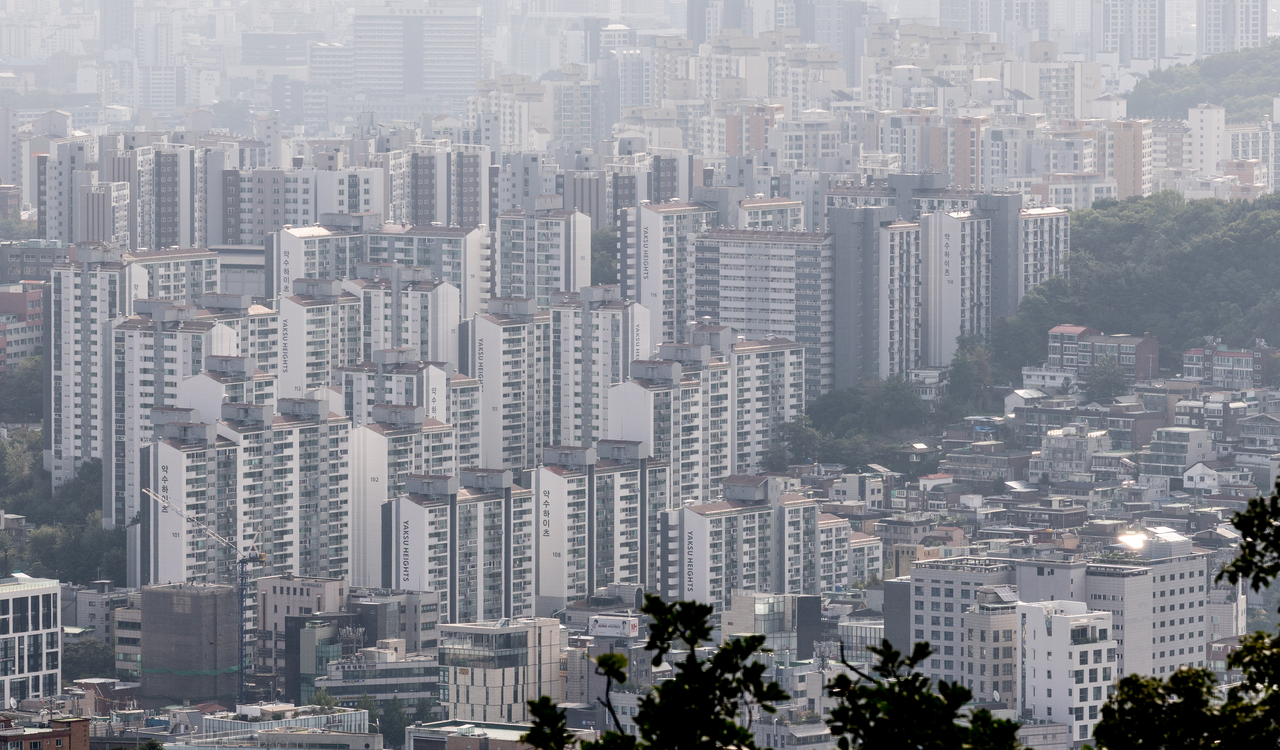
Suspected gap investment transactions involving Seoul apartments surged more than 50 percent in a single year, with people in their 30s accounting for nearly half of the nearly 7,000 flagged deals.
Data obtained by Moon Jin-seog, a Democratic Party of Korea lawmaker on the National Assembly's Finance and Economy Planning Committee, from the Ministry of Land, Infrastructure and Transport showed that the number of Seoul apartment transactions suspected of being gap investments totaled 6,680 between November 2024 and October 2025 — a 54.6 percent increase from 4,320 in the same period a year earlier.
A suspected gap investment transaction is defined as one in which the acquired property carries both a rental deposit and a financial institution loan, with the buyer's stated move-in plan listed as "rental."
By district, Seongdong-gu recorded the highest number at 728 cases, followed by Gangdong-gu with 656 and Mapo-gu with 630. Seongdong-gu also posted the largest year-on-year increase among all districts, with transactions rising by 362 cases, or 98.9 percent.
Other districts that saw significant increases included Dongjak-gu with 347 cases (up 142.8 percent), Mapo-gu with 345 cases (up 121.1 percent), Gangdong-gu with 330 cases (up 101.2 percent), Seongdong-gu with 362 cases (up 98.9 percent) and Yeongdeungpo-gu with 210 cases (up 94.6 percent).
Eleven of Seoul's 25 districts — 44 percent of the total — recorded increases of 90 percent or more, meaning suspected transactions in those areas roughly doubled within a year.
Only seven districts saw a decline in suspected gap investment transactions compared with a year earlier, including Seocho-gu with 379 cases, Songpa-gu with 337 and Gangnam-gu with 371.
By age group, those in their 30s led both in volume and growth rate. Suspected transactions by buyers in their 30s reached 3,095 cases, accounting for about 46.3 percent of the total — an increase of 1,272 cases, or 69.8 percent, from the previous year.
Buyers in their 40s accounted for 2,366 suspected cases, meaning those in their 30s and 40s together made up 81.7 percent of all suspected gap investment transactions. Other age groups broke down as follows: those in their 50s with 833 cases, those aged 60 and older with 224 cases and those in their 20s with 162 cases.
"Gap investment using jeonse is migrating toward specific districts and younger buyers," Moon said. "The government needs to strengthen real-time transaction monitoring and develop countermeasures."

shy@heraldcorp.com
quq@heraldcorp.com