
Apple's HELO location service trails domestic devices across all metrics
Response time, accuracy and compliance rate all below South Korean standard
Rescue authorities warn of 'golden time' risk; Apple pledges fix by early next year
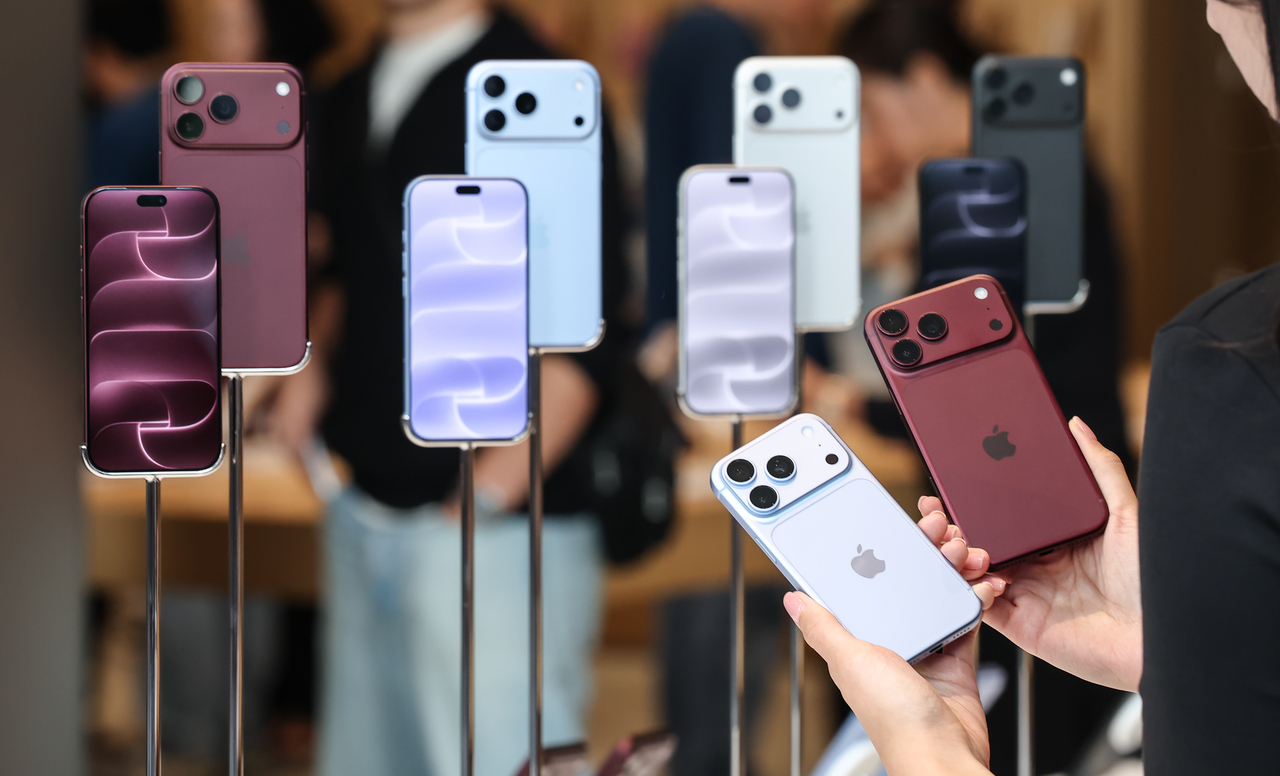
Apple's proprietary emergency location service, known as HELO, takes more than 15 seconds longer to deliver a caller's location than Samsung Galaxy and other domestic devices, according to newly obtained government data.
Rescue authorities say a 15-second gap can mean the difference between life and death at an accident scene. HELO also trailed domestic devices in location accuracy and compliance rates. With an estimated 10 million iPhone users in South Korea, lawmakers are calling on Apple to take responsibility and act.
The data, obtained Monday through the office of People Power Party lawmaker Kim Jang-gyeom from the "2025 Quality Measurement Results for Emergency Rescue Location Information from the Three Telecom Carriers," showed that domestic devices such as Samsung Galaxy delivered location response times of 1.9 seconds via cell tower, 2.4 seconds via GPS and 2.4 seconds via Wi-Fi.
Apple's HELO, by contrast, recorded a response time of 17.6 seconds — more than 15 seconds slower than the average for domestic devices. Location response time refers to how long it takes for a caller's position to be transmitted to the Korean National Police Agency, the National Fire Agency or other rescue services after a request is made.
Launched in 2015, HELO is a service that provides the location of users who dial emergency numbers. The Korean National Police Agency, the National Fire Agency and other rescue bodies have for years asked Apple to supply location data broken down by positioning method — cell tower, GPS and Wi-Fi — to speed up rescues at accident scenes. Apple has refused, insisting that HELO is sufficient.
The accuracy gap was equally stark. Domestic devices achieved location accuracy of 22 meters via cell tower, 12.3 meters via GPS and 17.1 meters via Wi-Fi, while Apple's HELO came in at 24.3 meters. The location standard compliance rate for domestic devices stood at 99.6 percent (cell tower), 99.2 percent (GPS) and 99.4 percent (Wi-Fi), compared with 97.5 percent for Apple.
The findings undercut Apple's own defense: at an earlier meeting, Trey Fogerty, Apple's head of emergency systems strategy, had argued that "HELO provides highly precise location information derived from multiple positioning technologies."
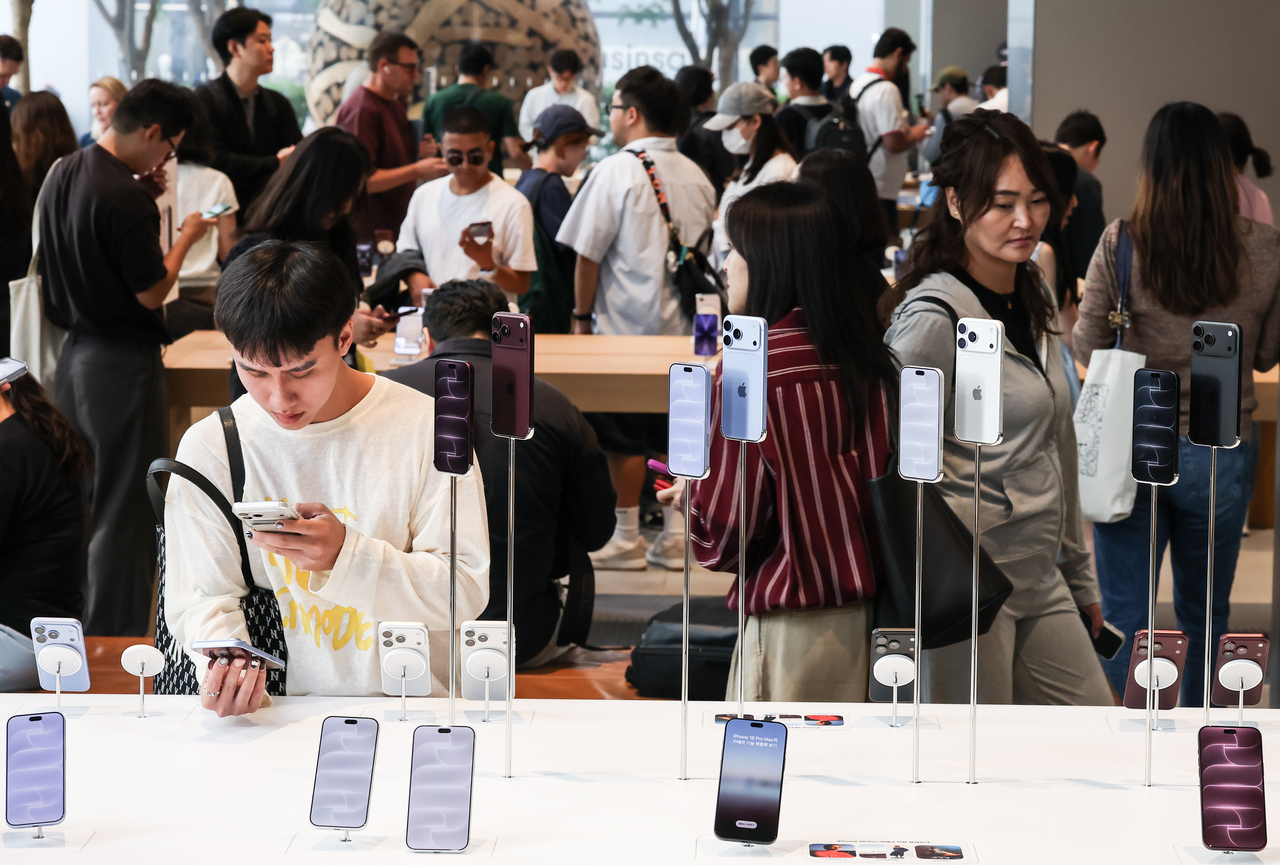
Rescue authorities, including the Korean National Police Agency and the National Fire Agency, said they were disappointed by the results.
In a fire, for instance, faster and more precise location data directly raises the odds of saving lives. The Korea Communications Commission noted separately that Xiaomi, another foreign smartphone maker, already provides two types of positioning data — cell tower and GPS.
"Even within the same building, a person's fate in an emergency can hinge on location response time and accuracy," a rescue authority official said. "That is exactly why we need location data that is as fast and precise as possible."
Apple has acknowledged the problem. At a meeting held in March, the company told the Korea Communications Commission — the ministry responsible for the matter — that it "plans to make improvements by early next year" in response to findings that its combined positioning quality fell below that of the three domestic carriers and that its response time stood at 17.6 seconds.
"Apple is sticking with a location-provision method that does not meet domestic standards and is less accurate than other manufacturers," lawmaker Kim said. "With an estimated 10 million iPhone users in South Korea, Apple must come forward with a responsible plan to protect the rescue golden time when many citizens find themselves in emergencies."
ko@heraldcorp.com




