Fourth regular survey runs through Oct. 16 — big data flags crisis households, welfare planners conduct field visits
Last year's six rounds covered 9,008 residents and connected 4,641 cases to services, including financial debtors and isolated households
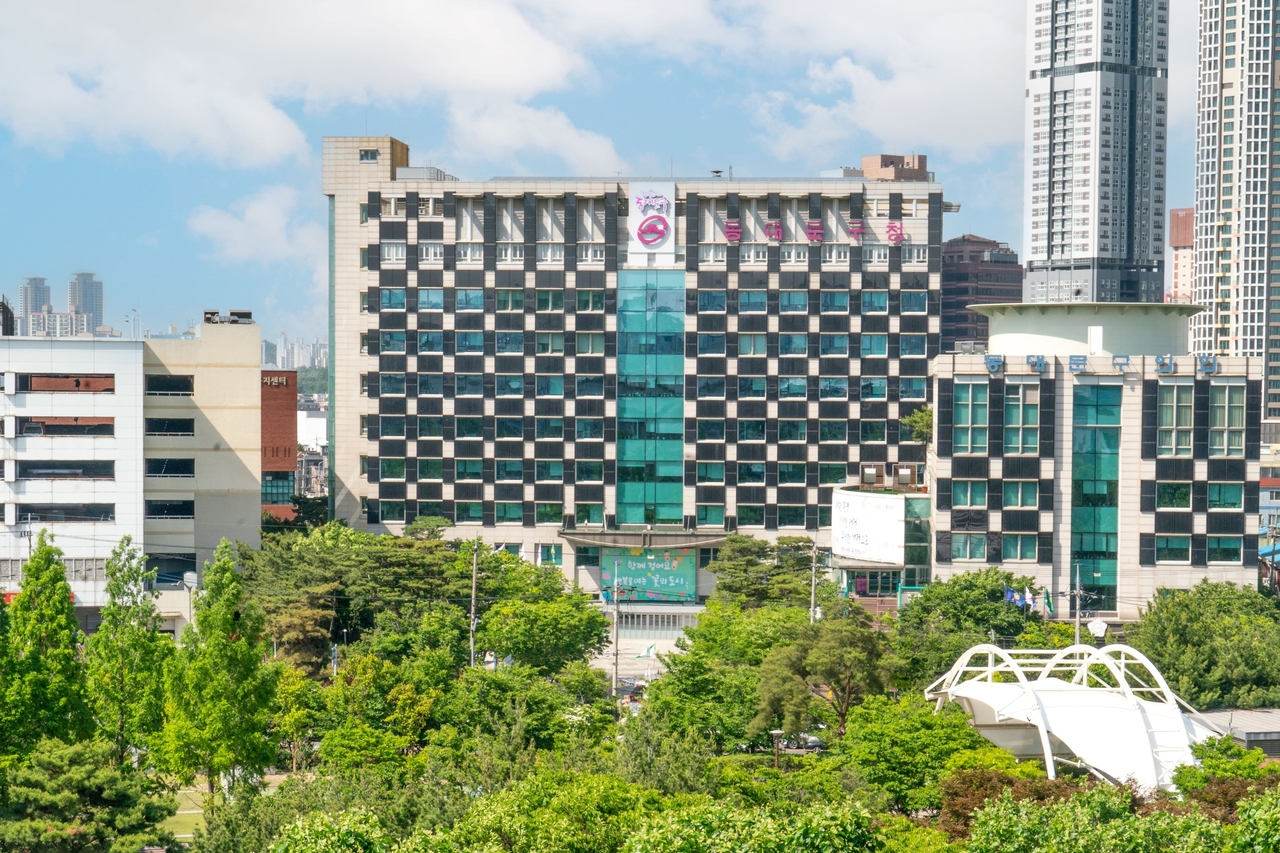
Seoul's Dongdaemun-gu is conducting its fourth regular welfare blind-spot survey of 2026, running through Oct. 16, to identify vulnerable households early and connect them with tailored social services.
The district carries out six such surveys a year to prevent cases where residents miss out on welfare support because their registered address differs from where they actually live.
Ahead of this fourth round, the district used its welfare blind-spot detection system to proactively identify 1,822 residents whose big data profiles showed warning signs, including utility shutoffs and unpaid public charges.
Welfare planners at each neighborhood community center will promptly visit the identified households to assess their living conditions, then map out each family's crisis situation and welfare needs before connecting them with appropriate services.
One recent case illustrates the system in action. A 53-year-old man identified only as Mr. A had cut off contact with the outside world after a business failure left him struggling with loan defaults and financial hardship. The welfare blind-spot detection system flagged him as a crisis household, prompting a welfare planner to visit his home immediately. The planner connected him with debt counseling and credit rehabilitation services through the Credit Counseling and Recovery Service, and continued regular check-ins to support his financial and psychological recovery.
Last year, the district conducted six rounds of regular surveys, using big data from the Haengbok e-eum welfare blind-spot detection system to intensively investigate 9,008 residents showing crisis indicators such as utility shutoffs. As a result, the district connected a total of 4,641 welfare service cases by drawing on both public and private resources.
"The smart big data system quickly picks up distress signals, and welfare planners on the ground respond immediately — together, we are building a welfare safety net that leaves not a single resident behind," Dongdaemun-gu District Mayor Choi Dong-min said. "We will continue to weave a tight welfare safety net that combines technology with on-the-ground action, making Dongdaemun-gu a place where no one falls through the cracks."
seouldream01@heraldcorp.com