As an extreme heat alert took effect across Seoul's northwestern districts, Seodaemun-gu activated its highest-level heat-wave response system to protect residents.
The district office, led by Mayor Park Un-gi, said it has mobilized every administrative resource available — including a heat-wave operations center running tiered emergency duty shifts, the nation's first air-dome playground "Haepiso," an array of heat-reduction facilities, cooling shelters, and an AI- and IoT-based care system — to minimize harm to residents.
Throughout the heat-wave response period, the district keeps its heat-wave operations center staffed around the clock to monitor weather conditions in real time. Emergency duty protocols are activated in line with the level of the heat advisory, with field-focused responses carried out in coordination with relevant departments.
To give residents a safe place to escape the heat, the district operates 140 designated cooling shelters at community centers, senior centers, welfare facilities and the district office building. An additional 153 shade structures and nine smart shelters are also in continuous operation.
When a heat advisory is in effect, the district increases both the number and frequency of road-washing vehicles to ease the urban heat-island effect, while broadcasting real-time heat safety guidelines through social media and digital signage.
Among the most notable facilities is Haepiso — the nation's first air-dome playground.
Built at the Singihan Playground in Hongje-dong, Haepiso features an air-dome structure with heating and cooling capability installed over a sand play area, along with a cooling-fog system, creating a new kind of public play space largely unaffected by season or weather. Designed so children can play safely even during peak summer heat, the facility has drawn an average of about 50 visitors a day since opening July 27, drawing a strong response from residents.
Protection for heat-vulnerable groups has also been stepped up.
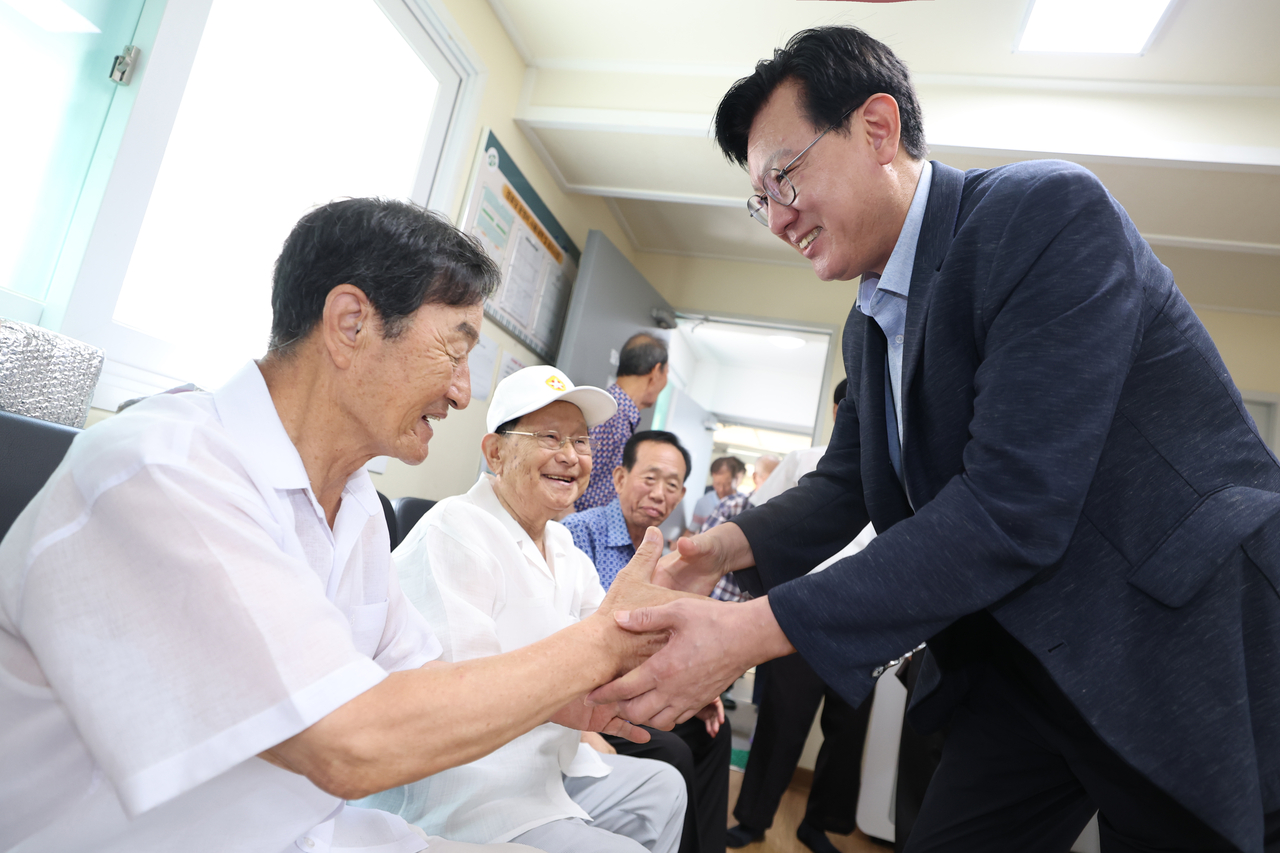
The district checks on 1,555 heat-vulnerable residents — including elderly people living alone — at least once a day through in-person visits or phone calls to confirm their health and safety. Disaster safety assistants drawn from social workers and daily-living support staff provide close-contact care, including guidance on heat safety measures.
AI care robots and an IoT-based safety management system monitor 538 elderly residents in real time for signs of distress. An emergency response network connects directly to 119 emergency services and medical institutions the moment a dangerous situation is detected, forming a tight smart-technology safety net.
Measures to protect people experiencing homelessness have also been reinforced.
Street patrols identify homeless individuals exposed to the heat early, providing bottled water and emergency relief supplies while actively connecting them with shelter facilities to prevent heat-related harm.
The district is also strengthening safety management for outdoor workers in parks and on roads — guaranteeing rest breaks and distributing cooling supplies to prevent heat illness — and maintaining a cross-departmental response framework to prevent heat-related accidents.
"Record-breaking heat waves are becoming the norm because of climate change, and our administration needs to stay one step ahead," Mayor Park said. "We will concentrate every administrative capability on combining proactive, field-centered responses with smart technology, so that heat-vulnerable groups — including children and the elderly — as well as all district residents can get through the summer safely."
seouldream01@heraldcorp.com