
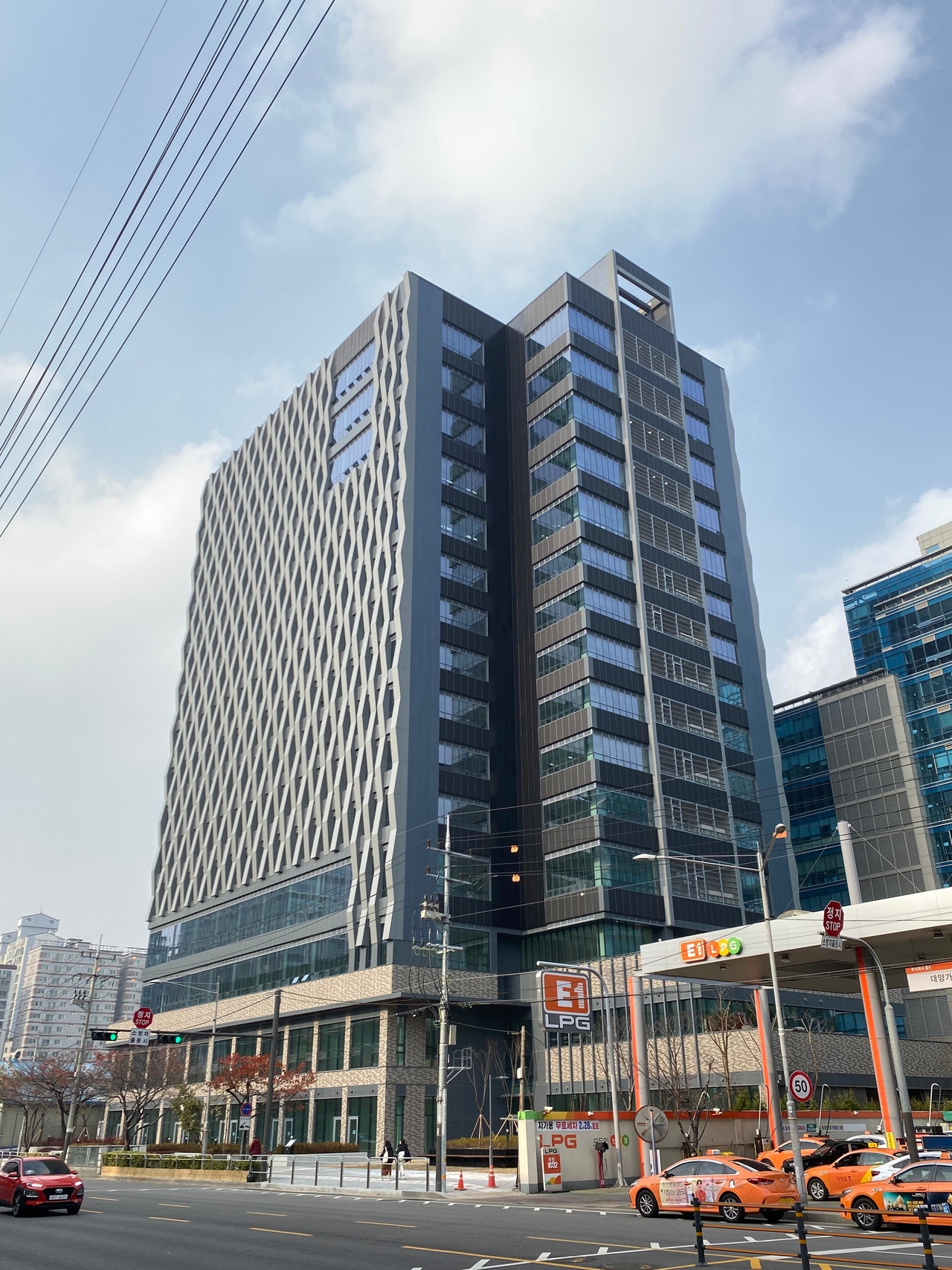
Seoul's Gangseo-gu has added 28 new business categories to the list of industries permitted to occupy knowledge industry centers, easing occupancy regulations with an official notice published and put into effect Friday.
The expansion is grounded in the Act on Industrial Cluster Development and Factory Establishment. The law allows local government heads to broaden the range of eligible tenants at knowledge industry centers outside designated industrial complexes when they determine it necessary for regional economic development.
The move comes amid growing concern over vacancy rates driven by an oversupply of knowledge industry centers. The district aims to attract new industries, reduce empty units and stimulate the local economy by significantly widening the pool of eligible tenants.
The 28 newly added categories span four sectors: MICE and business support, including banks and savings institutions, insurance companies, securities and futures brokerages, and customs clearance and travel agencies; aviation, logistics and ICT industries, including urban air mobility and air passenger and cargo transport; urban regeneration and construction, including general construction, electrical work, information and communications construction, and fire-suppression facility construction; and advanced manufacturing and urban-type future industries, including AI-based smart farms.
The notice is notable for directly reflecting feedback from the private sector. The district held a public-private network forum for knowledge industry centers in July, with participants including Woolim Blue Nine and NH Seoul Tower, and actively reviewed proposals from businesses — among them a request to allow financial and insurance service companies to move in.
Alongside this, the district plans to build a future-industry ecosystem and maximize economic spillover effects by closely linking the expansion to major local infrastructure projects, including the Magok MICE complex, the Gimpo Airport urban regeneration innovation district and the Gayang-dong development project.
Gangseo-gu currently has 18 knowledge industry centers with a combined 4,510 units and an average occupancy rate of 85.6 percent. The district's largest knowledge industry center — a 206,662-square-meter complex in the Gayang-dong 92-1 area — is set to open in 2029.
"This expansion of eligible industries will be an important turning point in transforming knowledge industry centers into hubs for advanced future industries through deregulation," district mayor Jin Kyo-hoon said. "We will continue to create a business-friendly environment, actively attract quality companies, and focus the district's resources on revitalizing the local economy and creating good jobs."
Further details are available on the Gangseo-gu website under official notices. Inquiries can be directed to the district's Regional Economy Division.
seouldream01@heraldcorp.com




