Many people routinely skip breakfast and start their day on an empty stomach — whether out of a busy schedule or simple reluctance. Skipping breakfast regularly can upset the body's daily nutritional balance and raise the risk of obesity, diabetes and cardiovascular disease.
For those who find a full morning meal too daunting, building a habit of consuming vegetables and fruit — rich in vitamins, minerals, dietary fiber and phytochemicals the body needs — can make a meaningful difference. A 100% cold-pressed juice made from fresh vegetables and fruit can serve as a practical alternative, making it easier to take in plant-based nutrients that are often lacking in the diet on a consistent basis.
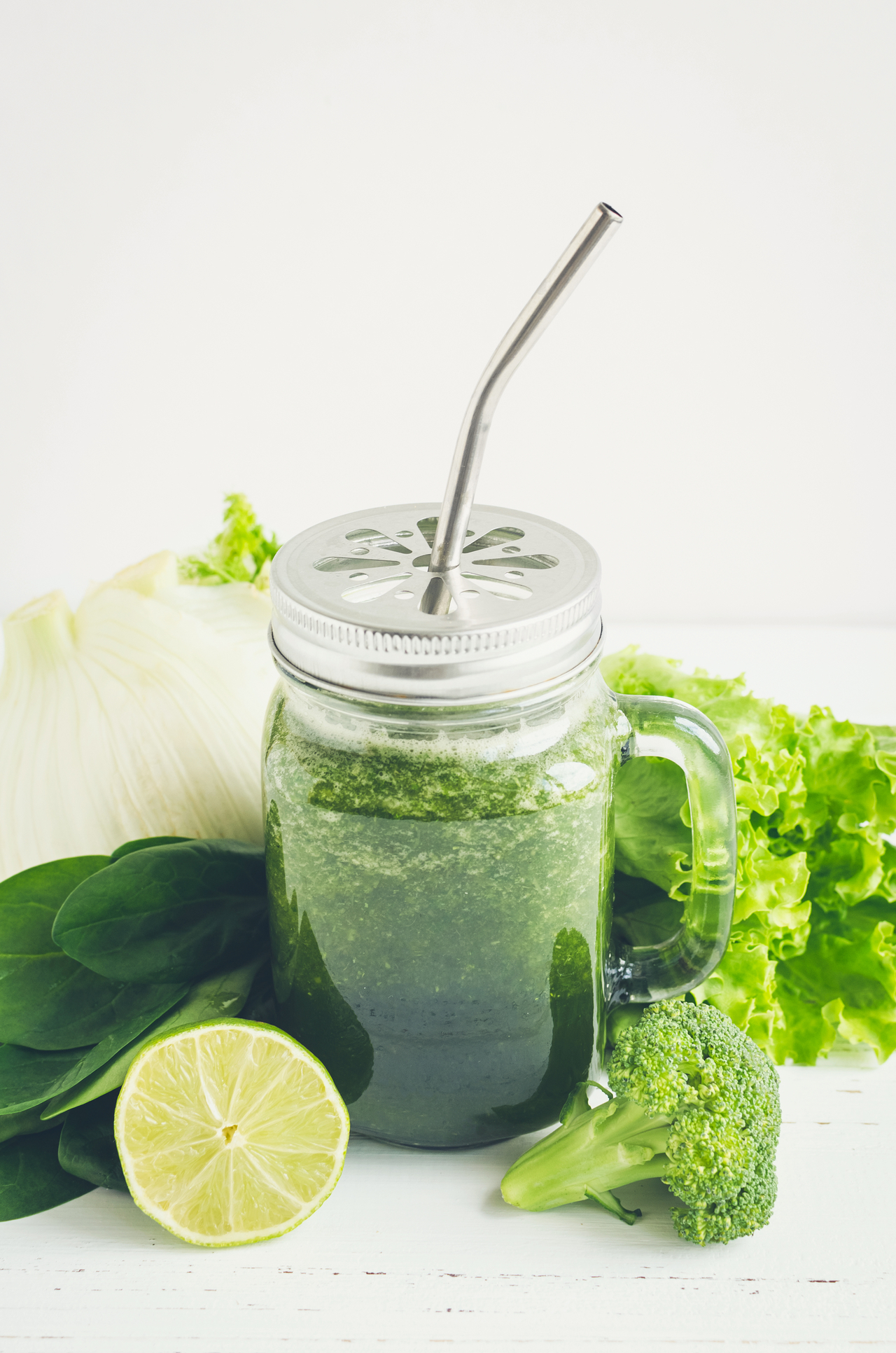
The Korea Food Communication Forum (KOFRUM) said Monday that the US health outlet Healthline recently published an article titled "8 Healthful Types of Juice," introducing representative vegetable and fruit juices that may benefit health along with their nutritional advantages.
Healthline said that using 100% juices with no added sugar makes it easier to consume a range of plant-based bioactive compounds — including vitamins, minerals and polyphenols. The first juice highlighted was cranberry juice, which has the largest body of research linked to urinary tract health. The proanthocyanidins in cranberries may help prevent bacteria from adhering to the lining of the urinary tract.
Beet juice is rich in nitrates, which the body converts into nitric oxide — a compound that helps relax blood vessels and improve blood flow. Some research has reported positive results for exercise performance and blood pressure management. Pomegranate juice is notable for its high concentration of antioxidant polyphenols, including anthocyanins and ellagitannins, which may help reduce oxidative stress and support vascular health.
Tomato juice is one of the best-known sources of lycopene, a carotenoid with potent antioxidant properties that researchers are studying for its potential benefits to cardiovascular health and cellular protection. However, commercially sold tomato juice can be high in sodium, so freshly pressed juice or low-sodium products are preferable.
Grapefruit juice is rich in vitamin C and antioxidants. However, it can interact with some blood pressure medications, cholesterol-lowering drugs and anticoagulants, so people taking such medications should consult a health professional before consuming it. Healthline also noted the distinct nutritional profiles of other juices: orange juice for vitamin C and folate, prune juice for dietary fiber, B vitamins and potassium — which helps regulate blood pressure — and apple juice for its polyphenol content. The outlet cautioned, however, that the health benefits of juice do not mean more is better, advising readers to choose 100% no-sugar-added products and drink them in moderation.
Cho Jin-a, a professor in the Department of Food and Nutrition at Chungnam National University, said the health value of juice depends on what ingredients are used, whether sugar has been added and how it is consumed. "Rather than buying commercially made juices loaded with sugar, making a habit of lightly drinking fresh cold-pressed juice in the morning — with a higher proportion of vegetables such as kale, celery and apple — can be a realistic way to increase your intake of the plant-based nutrients your body needs and to start the day with a proper breakfast," she said.
kty@heraldcorp.com