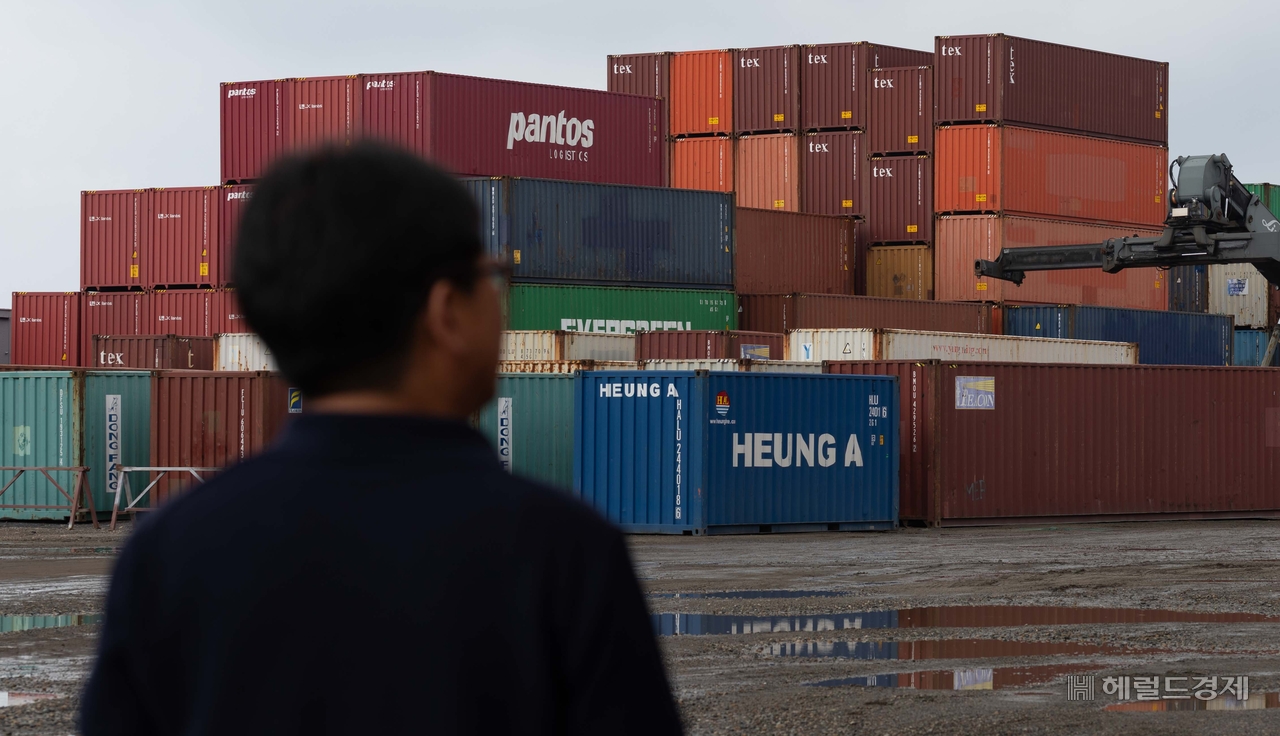
As the United States' 10% global tariff expired, a 12.5% rate took its place for general Korean exports — and with a separate Section 301 overproduction probe targeting South Korea still underway, analysts say Korean businesses must prepare for further tariff increases.
A report released Friday by the Korea International Trade Association's (KITA) Institute for International Trade said the Office of the United States Trade Representative (USTR) imposed Section 301 tariffs on 60 countries and economic blocs, including South Korea, on Thursday (local time), citing inadequate systems to ban imports of goods made with forced labor.
South Korea, along with Japan and Switzerland, will have its combined most-favored-nation (MFN) tariff and Section 301 tariff capped at 12.5%. Products whose existing MFN tariff already equals or exceeds 12.5% will not face an additional Section 301 charge.
The measure took effect Friday, replacing the 10% global tariff imposed under Section 122 of the Trade Act, which had been in place since February and expired Friday. As a result, the baseline tariff burden on general Korean products rose 2.5 percentage points from the previous rate.
However, the new rate is still 2.5 percentage points below the 15% tariff ceiling established under last year's Korea-US trade agreement.
Products already subject to separate sector-specific tariffs under Section 232 of the Trade Expansion Act — including steel, aluminum, copper, automobiles and auto parts — are excluded from the forced-labor tariff.
The South Korean government said it has reconfirmed that the US will honor the 15% total tariff ceiling agreed under the Korea-US deal, even if forced-labor and overproduction tariffs are combined in the future.
Uncertainty has not been fully resolved, however. In March, the USTR launched a separate Section 301 investigation into manufacturing overcapacity in 16 countries and economic blocs — including South Korea, China, the EU and Japan — distinct from the forced-labor probe.
Since the forced-labor investigation led to actual tariff imposition in roughly four months, the overproduction probe could also conclude faster than expected. Depending on the outcome, additional tariffs could be imposed or overlap with existing sector-specific tariffs.
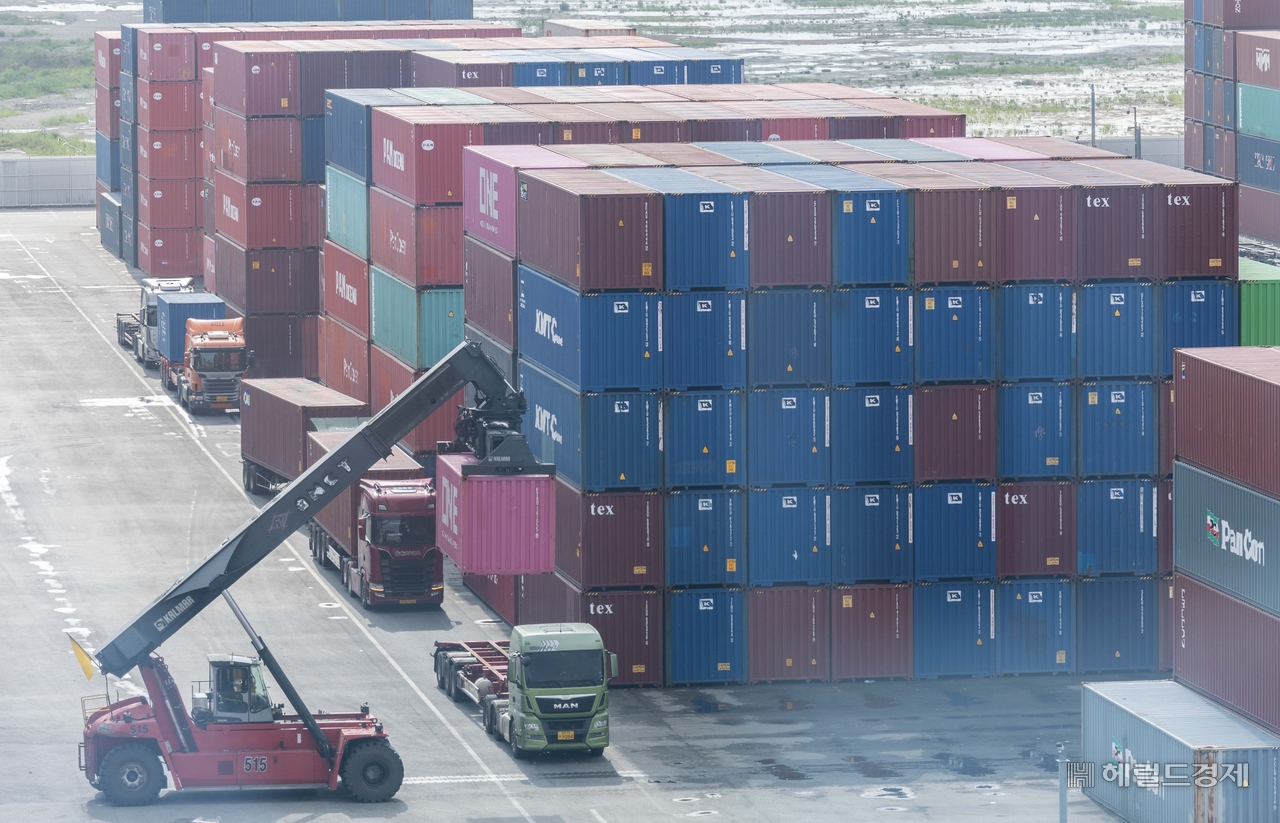
KITA said South Korea should continue communicating to the US the results of its commitments under the Korea-US trade agreement — including investment in the United States and Korea-US shipbuilding cooperation — and use that track record as leverage in negotiations to secure preferential treatment or product exemptions under future Section 301 and Section 232 measures.
KITA also flagged the possibility that US tariff policy may not be temporary. After a court struck down the IEEPA tariffs, the US introduced a temporary Section 122 tariff; when that measure expired, it shifted to a Section 301 framework.
"Companies need to treat US tariffs as a constant rather than a variable when building their export and business strategies," KITA said, adding that Section 232 of the Trade Expansion Act — applied by product category — and Section 301 of the Trade Act — applied at differentiated rates by country — are expected to serve as the two pillars of US tariff policy going forward.
kwater@heraldcorp.com