Korea Customs Service data analysis and Ministry of Food and Drug Safety field inspections combine to block duty-free goods smuggled under the guise of personal use
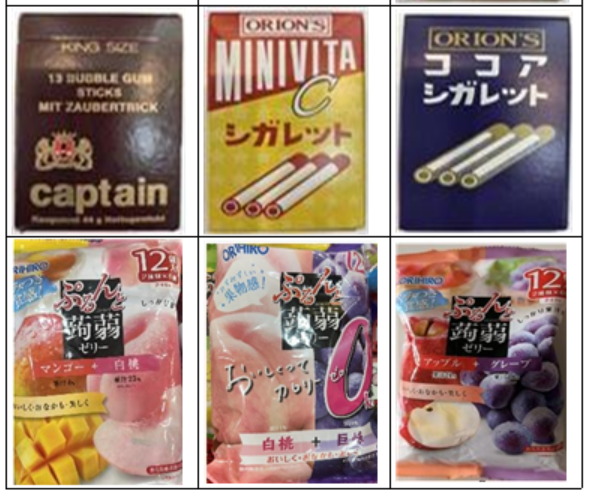
Authorities have uncovered a number of illegal food imports disguised as personal overseas purchases, following a joint operation by the Korea Customs Service and the Ministry of Food and Drug Safety.
The Korea Customs Service said Tuesday it had conducted a targeted inspection of imported snack discount stores suspected of distributing illegally imported food domestically under the guise of personal-use overseas purchases, identifying eight stores that had displayed and sold undeclared imported snacks and other goods.
The customs service analyzed overseas purchase import data to identify businesses suspected of selling goods commercially under the cover of personal use, then shared that information with the Ministry of Food and Drug Safety for on-site checks. Officials described it as a pan-government collaboration linking the customs clearance stage with domestic retail distribution to effectively block illegal imported food from reaching consumers.
A total of 15 stores were inspected — eight imported snack discount stores where specific individuals had records of unusually high volumes of overseas purchases, along with seven nearby stores. Of those, eight were found to have violated food-related laws by displaying and selling snacks and other items without completing import declarations.
Among the eight stores caught, four had been displaying and selling food purchased through overseas direct-buy channels from Japan, Germany and the United States for commercial purposes without registering as importers of food products. The remaining four nearby stores were found selling imported food that carried no hangul labeling.
The Ministry of Food and Drug Safety said food brought into the country for personal use through overseas direct purchases cannot be sold to others or used for commercial purposes. It also said that anyone seeking to import food for sale must, under applicable law, register as an importer of food products, file a formal import declaration, and sell only products that have passed the required safety inspection process.
The ministry also urged consumers to check that hangul labeling is attached to the outer packaging before buying imported food. It asked the public to report any illegally imported food without hangul labels, or any other illegal activity involving food, by calling 1399.
kwonhl@heraldcorp.com