
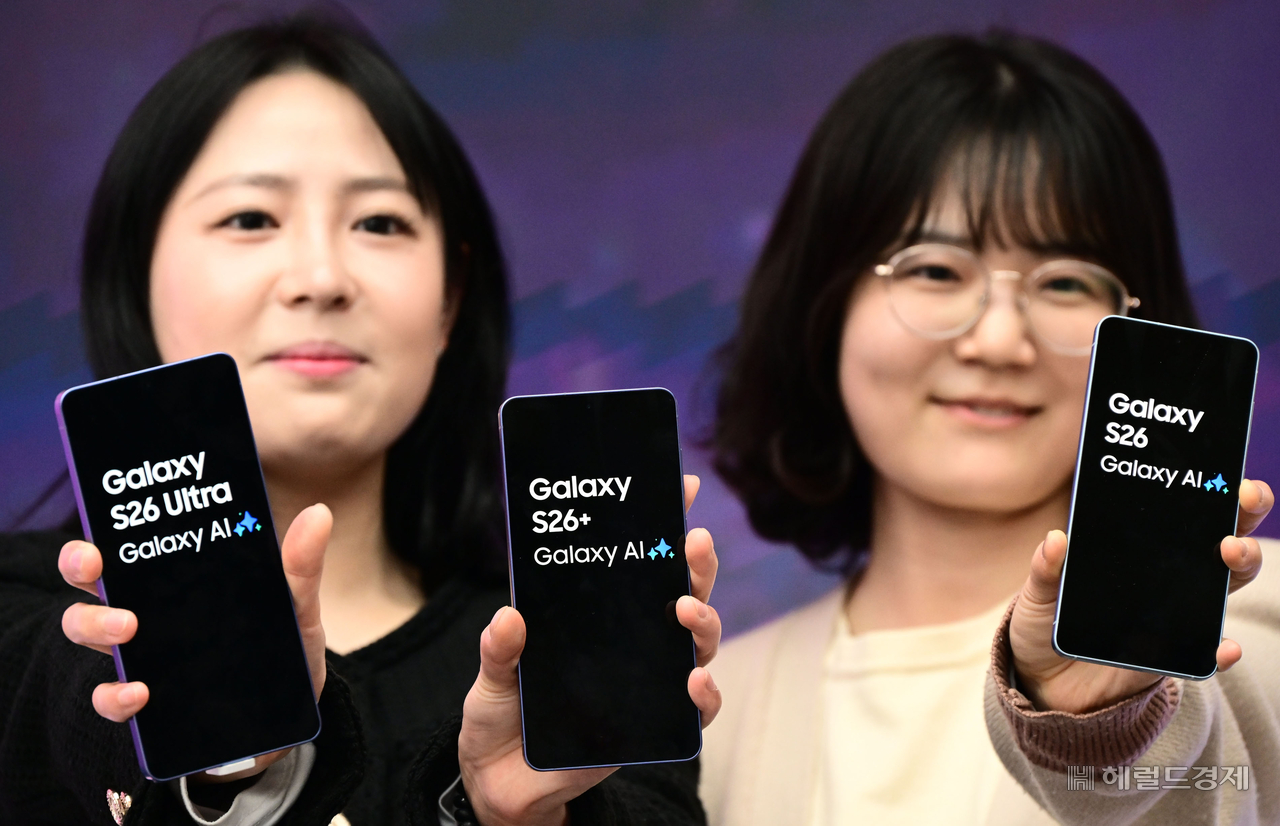
"While Apple Intelligence rolls out slowly through incremental updates, Samsung has already built a highly polished AI ecosystem and is reaping the benefits of first-mover advantage," CNET said.
Samsung Electronics' Galaxy has pulled ahead of Apple's iPhone in the smartphone AI feature race, a new survey shows. While awareness of Galaxy AI and Apple Intelligence was roughly equal, Galaxy AI led in every category when it came to users' perception that their device carries AI features — and in real-world usage rates. AI capabilities are also emerging as a new factor in smartphone purchase decisions.
According to the "First-Half 2026 Mobile Telecommunications Survey" released Wednesday by Consumer Insight, a mobile industry research firm, Galaxy AI recorded higher monthly usage rates than Apple Intelligence across all categories — including information search, photo and video editing, document creation, and interpretation and calling features.
The widest gap was in "summarization, transcription and writing assistance," which covers tasks such as drafting emails, summarizing long texts and recording voice memos. Galaxy AI's usage rate stood at 50 percent, 21 percentage points higher than Apple Intelligence. Galaxy AI also led by 20 percentage points each in information search and notification assistance, and in photo and video editing.
In real-time interpretation and call-support features, Galaxy AI's usage rate reached 43 percent, outpacing Apple Intelligence's 30 percent. Samsung's early integration of AI into core smartphone functions — search, photo editing and calling — gave it a head start in building actual user experience.
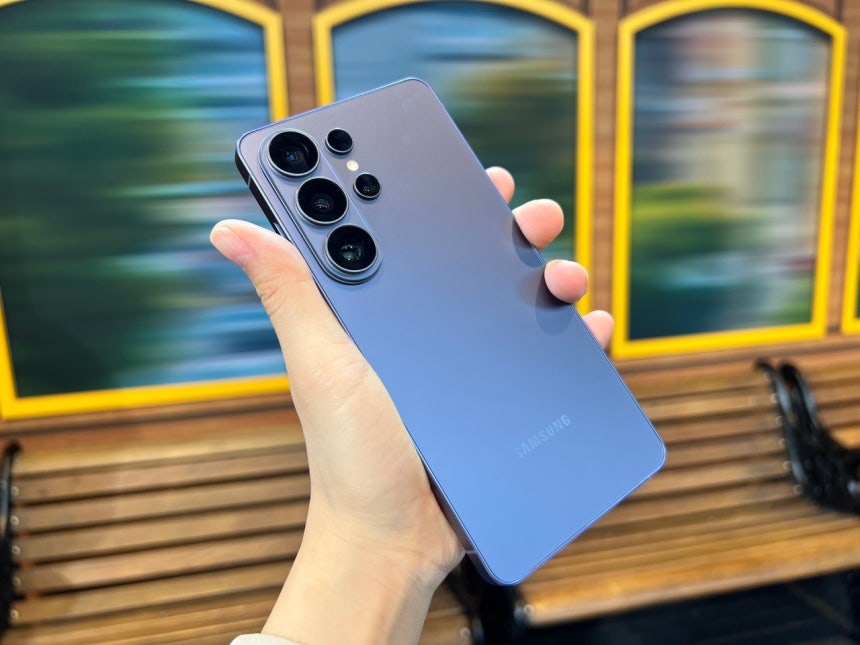
Galaxy also led in users' awareness that their own device carries AI features. Familiarity with Galaxy AI and Apple Intelligence was similar — 39 percent and 37 percent, respectively — but the share of respondents who said their current device has the feature installed was 29 percent for Galaxy AI versus 21 percent for Apple Intelligence.
While brand-name recognition was nearly on par, Galaxy held an 8-percentage-point edge in users perceiving the AI as a feature they can actually use on their own phone.
That advantage in user experience could work in Galaxy's favor in future smartphone sales competition. According to Counterpoint Research, generative AI-capable smartphones are forecast to account for 45 percent of global smartphone shipments in 2026, up 9 percentage points from 36 percent in 2025. The share is expected to expand to 52 percent in 2027, surpassing half of all shipments.
Consumer attitudes are shifting as well. Thirty-eight percent of respondents said on-device AI features would influence their next smartphone purchase, compared with 22 percent who said it would not, while 40 percent were neutral. AI has yet to become an outright must-have in smartphone selection, analysts note, but it is emerging as a new comparison point alongside price, camera and battery as the market grows.
rim@heraldcorp.com




