
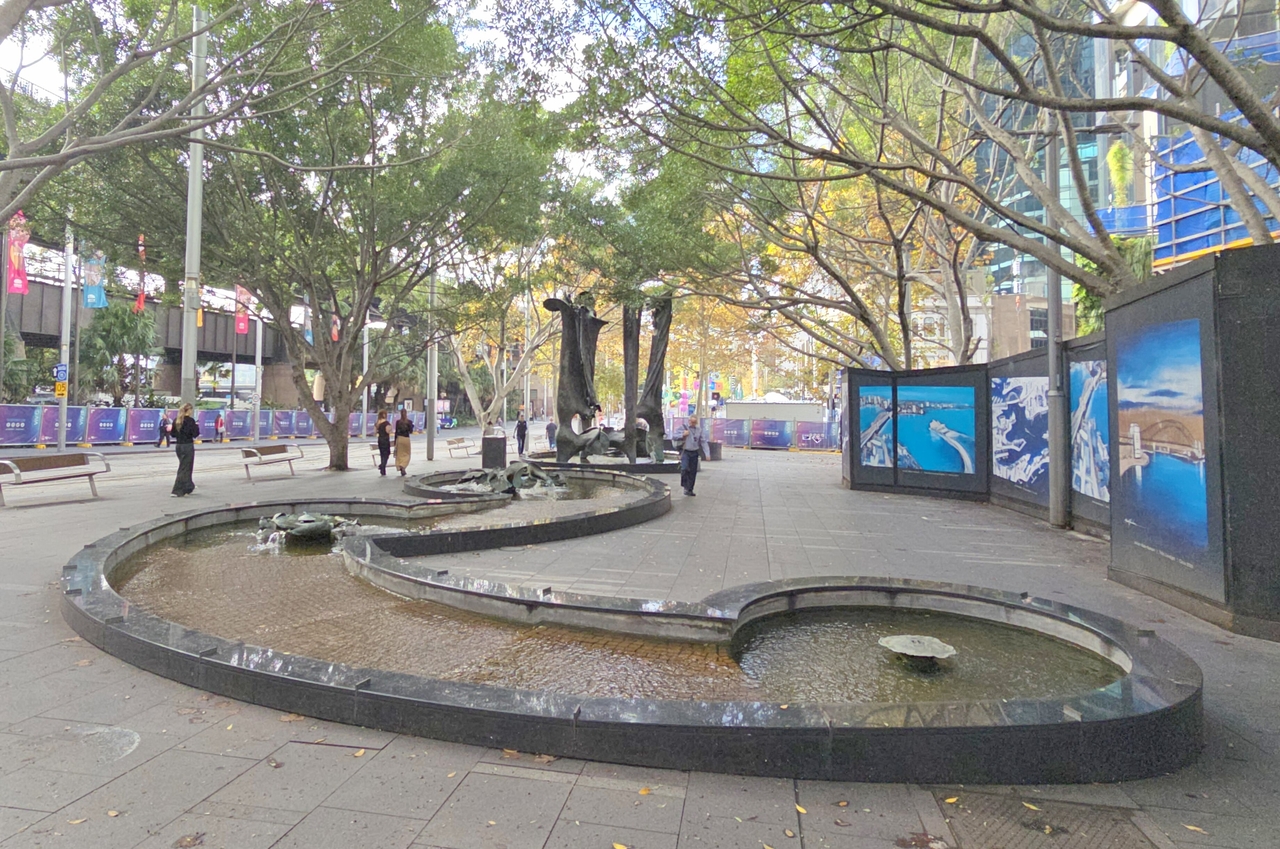
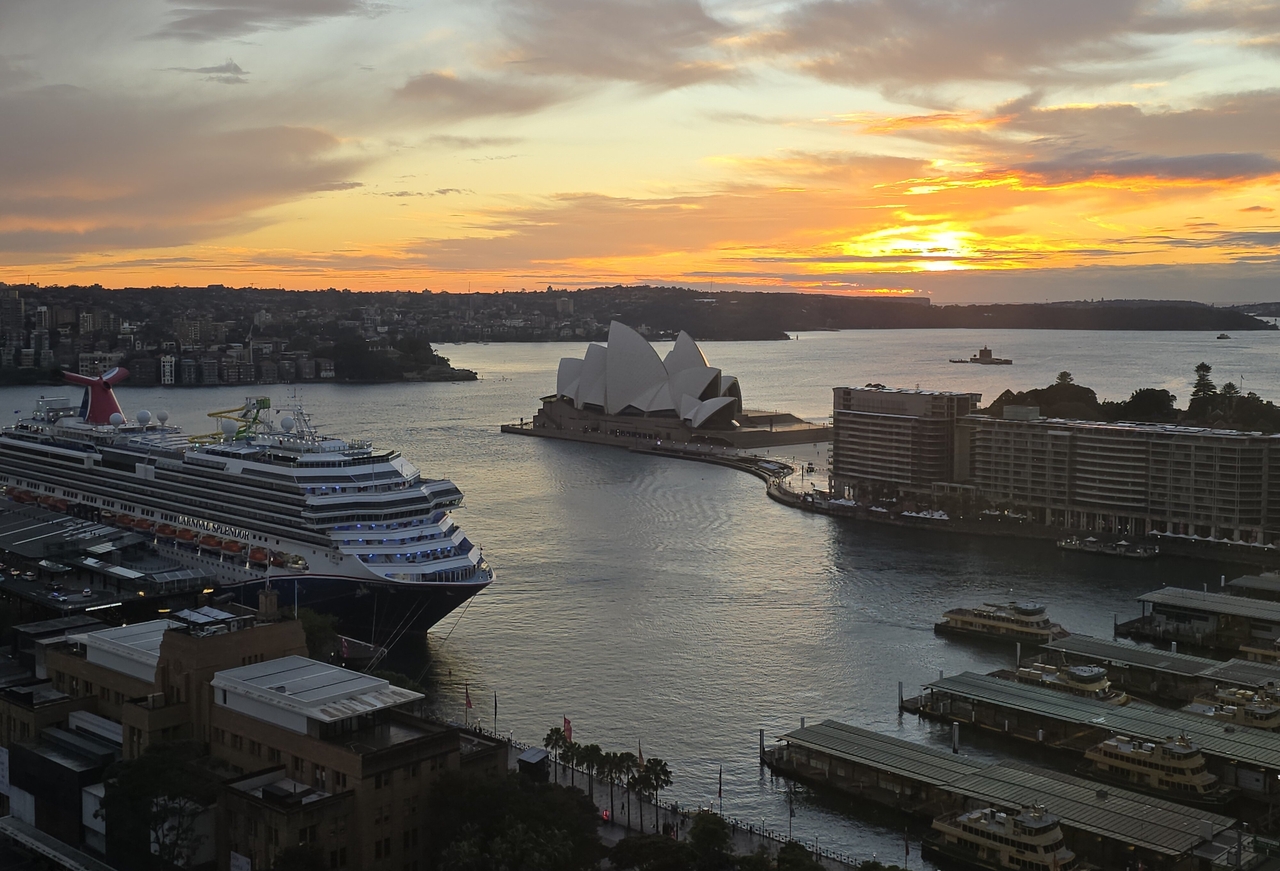
A red dawn breaks from the northeast as morning light pours over Sydney Harbour. Standing at the window of the Four Seasons Sydney — with the Harbour Bridge, the Opera House, and joggers and travelers all visible at once — one can see Herald Square directly across the street to the east.
The square sits near Circular Quay, where passenger ferries dock. Tucked into a corner where the romantic back lanes of the Rocks district meet the intersection of George Street and Alfred Street, it is a small, intimate plaza for art and rest.
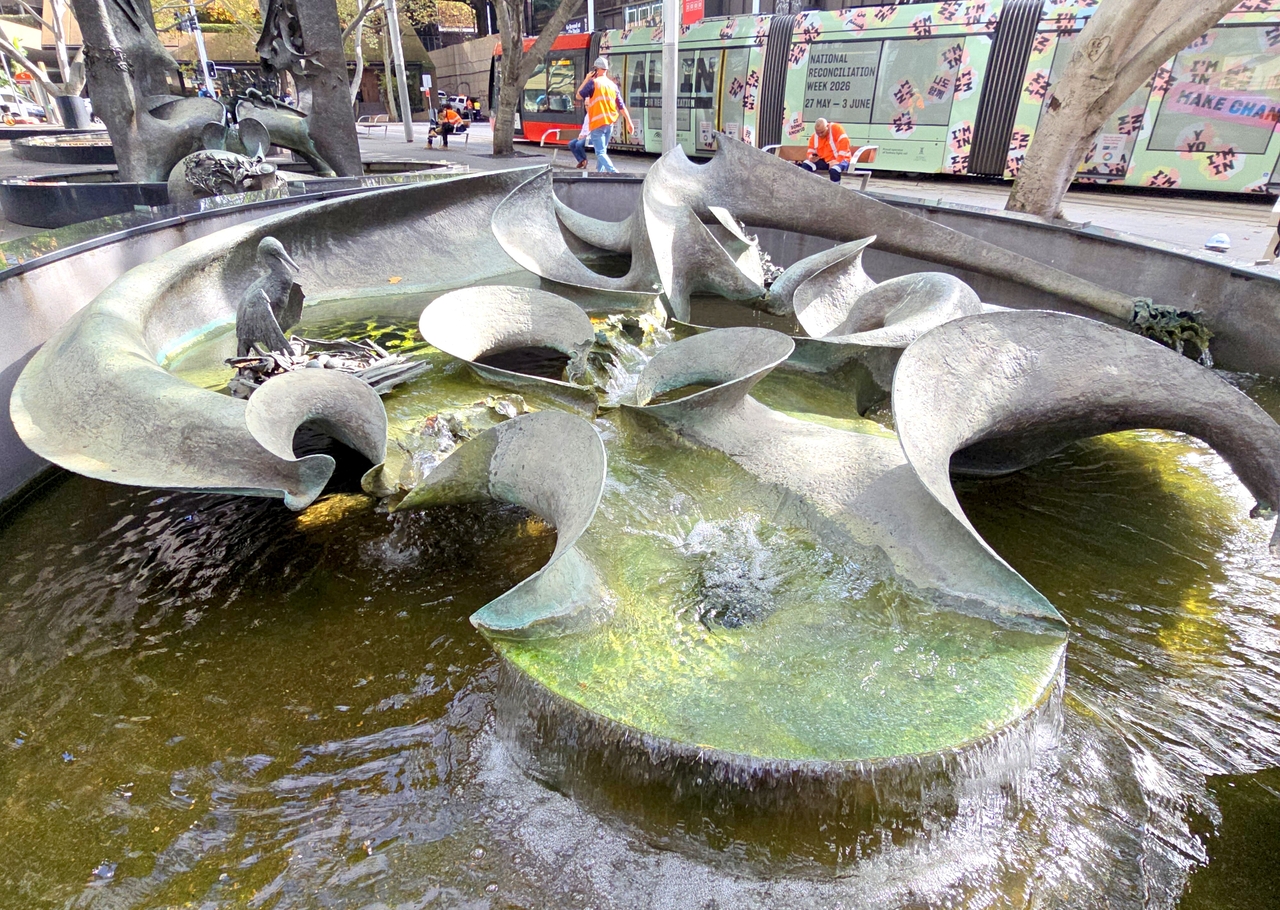
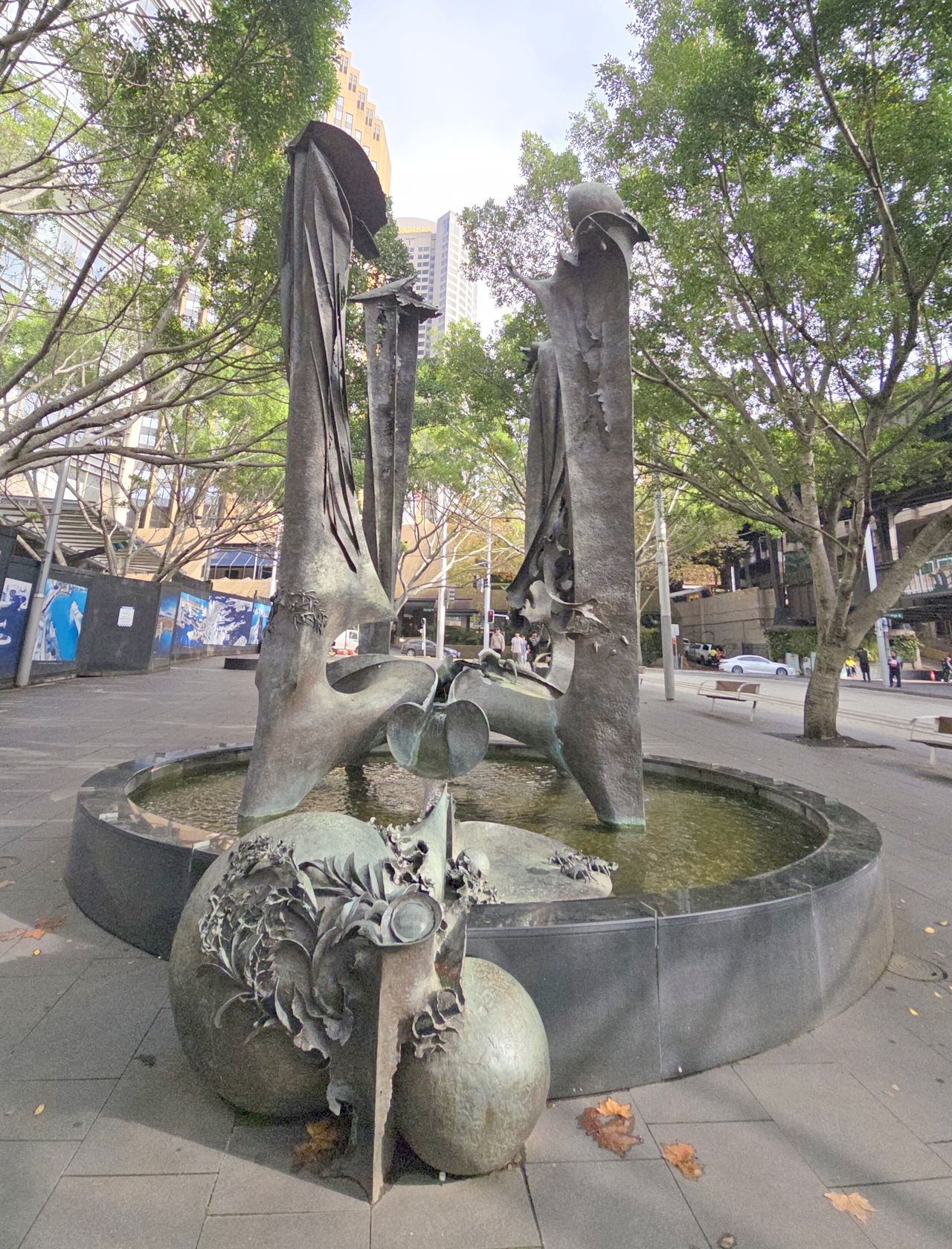
The square's centerpiece sculpture depicts clear spring water swirling around bronze figures of Australian animals and guardian spirits that recall the role of Korea's traditional jangseung totem poles. The work is a public bronze installation known as the Tank Stream Fountain.
Created by sculptor Stephen Walker and dedicated in 1981, the installation was donated by John Fairfax & Sons, owners of The Sydney Morning Herald, to mark the newspaper's 150th anniversary.
The Fairfax name appears at several locations in and around Sydney, including Harbour National Park — a testament to a media organization devoted to journalism while also serving the public good.
Around the flowing fountain stand bronze sculptures of native Australian creatures: a frilled-neck lizard, a monitor lizard, an echidna, frogs and turtles.
The site served as a rare freshwater source right beside the sea from 1788 onward, effectively functioning as Sydney's first public water supply and quenching the thirst of its earliest residents.
The Korea Herald and The Herald Business, founded in the year the Korean War truce was signed and now 73 years old, are among more than 20 flagship publications worldwide that carry the "Herald" name — among them The Sydney Morning Herald, the International Herald Tribune, the Boston Herald, The Herald Scotland, The Herald (Zimbabwe), the Newcastle Herald, the Yale Herald, El Nuevo Herald (Latin America), The New Britain Herald, the Catholic Herald, the Lethbridge Herald (Canada), the Yakima Herald and the Potch Herald (South Africa). All pursue a range of public-interest activities under that shared name, and The Sydney Morning Herald stands out as one of the most active.
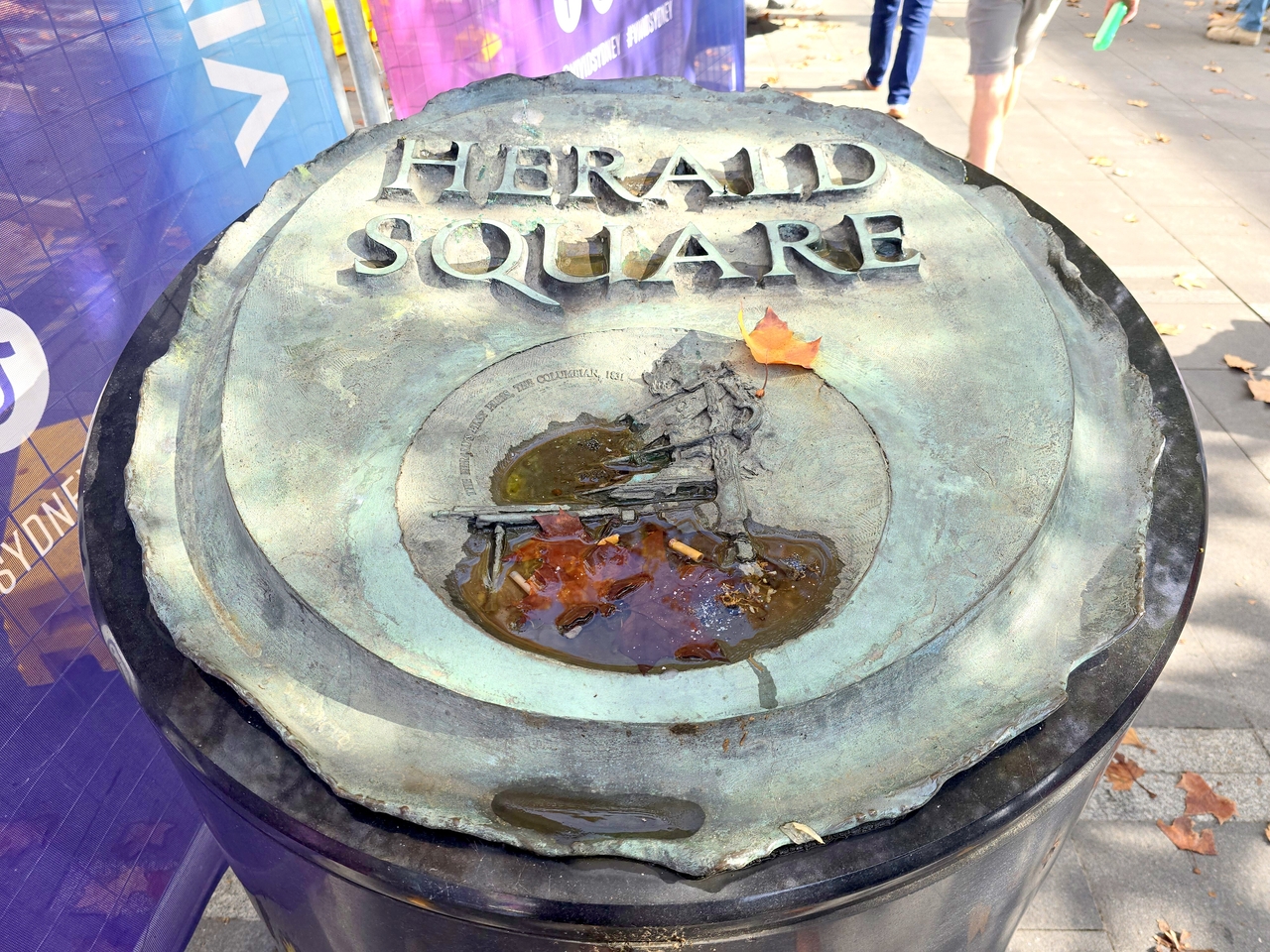
As the site of the first settlers' water source, Herald Square shares with Sydney residents and visitors alike a humanistic message — that life-giving water flows here, embodied in the bronze animals and guardian-spirit figures — while offering a moment of catharsis through art.
Today, the word "herald" carries meanings such as "to announce," "to proclaim," "to foreshadow," "an omen" and "a lord's messenger."
In the Middle Ages, a herald served as both the interpreter of governing philosophy and the spirit of the age, and as a judge and arbiter. Officials performing this role existed in 14th-century England and France, and the title has since become synonymous with the press.
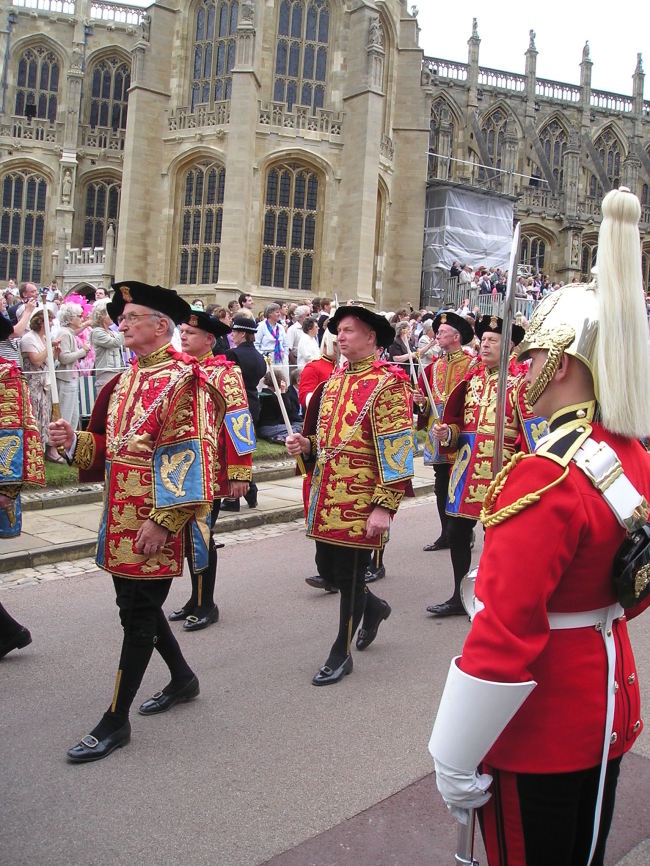
Some 600 years ago, as the Battle of Agincourt between England and France dragged into a war of attrition and devastated the livelihoods of both nations, the heralds of the two sides stepped forward to prevent further escalation. Weighing the state of the conflict up to that point, the two heralds agreed on a verdict of roughly 60-40 in England's favor. England may have held the upper hand militarily, but its wounds were no less severe than France's. Everyone privately knew the war was one nobody wanted, yet no one had dared say so — until the two heralds made their declaration, at which point the people rejoiced and the kings and soldiers of both sides raised no objection. A similar gentlemen's agreement aimed at reducing casualties emerged during the Anglo-French wars in North America.
The medieval herald also served as a policy adviser on a lord's most important decisions, acted as the lord's messenger, and presided as judge at knightly tournaments.
Because a lord respected the herald's judgment and authorized him to proclaim it publicly, the herald occupied a position of considerable importance.
Visitors to Sydney are encouraged to stop by Herald Square and reflect on what the herald represents — a force that helps resolve the conflicts of its readers.
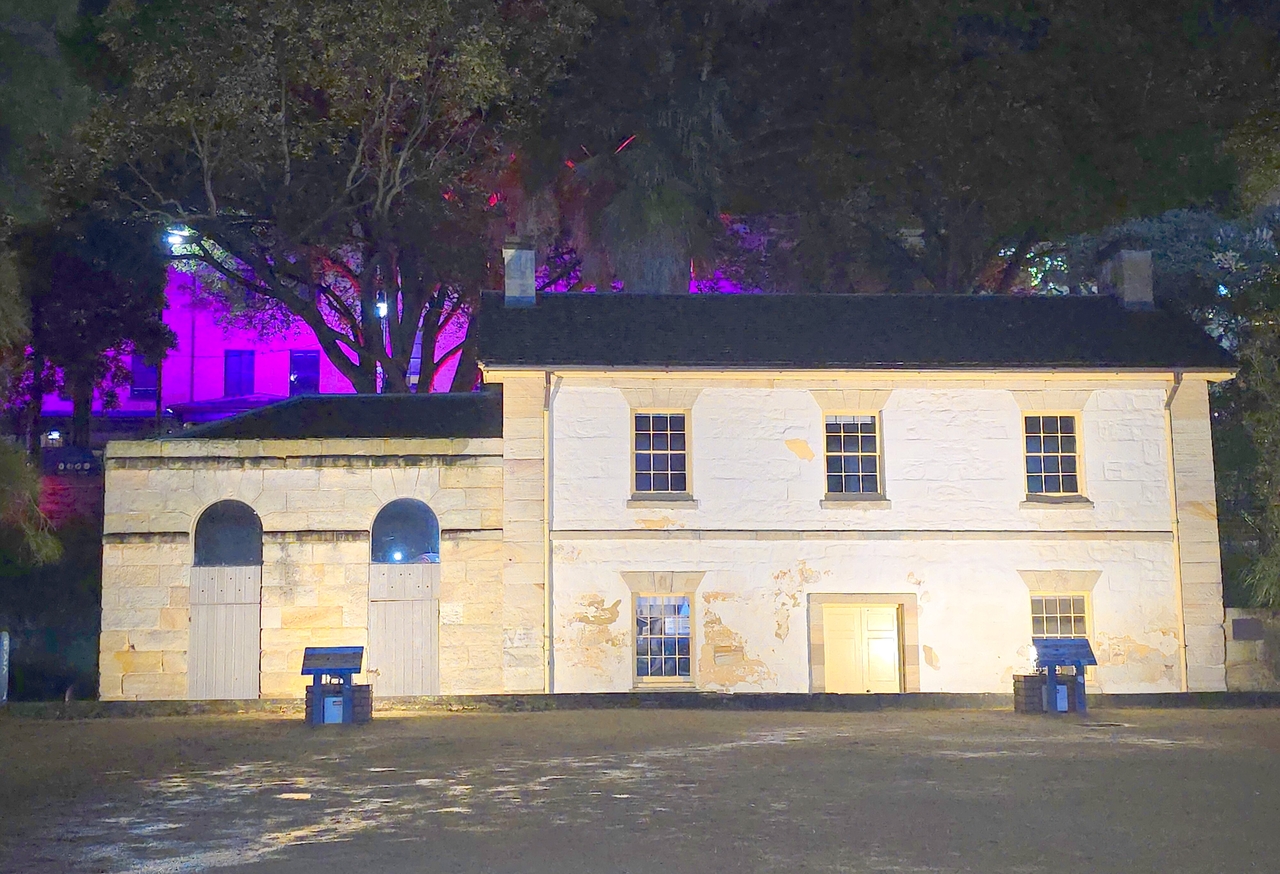
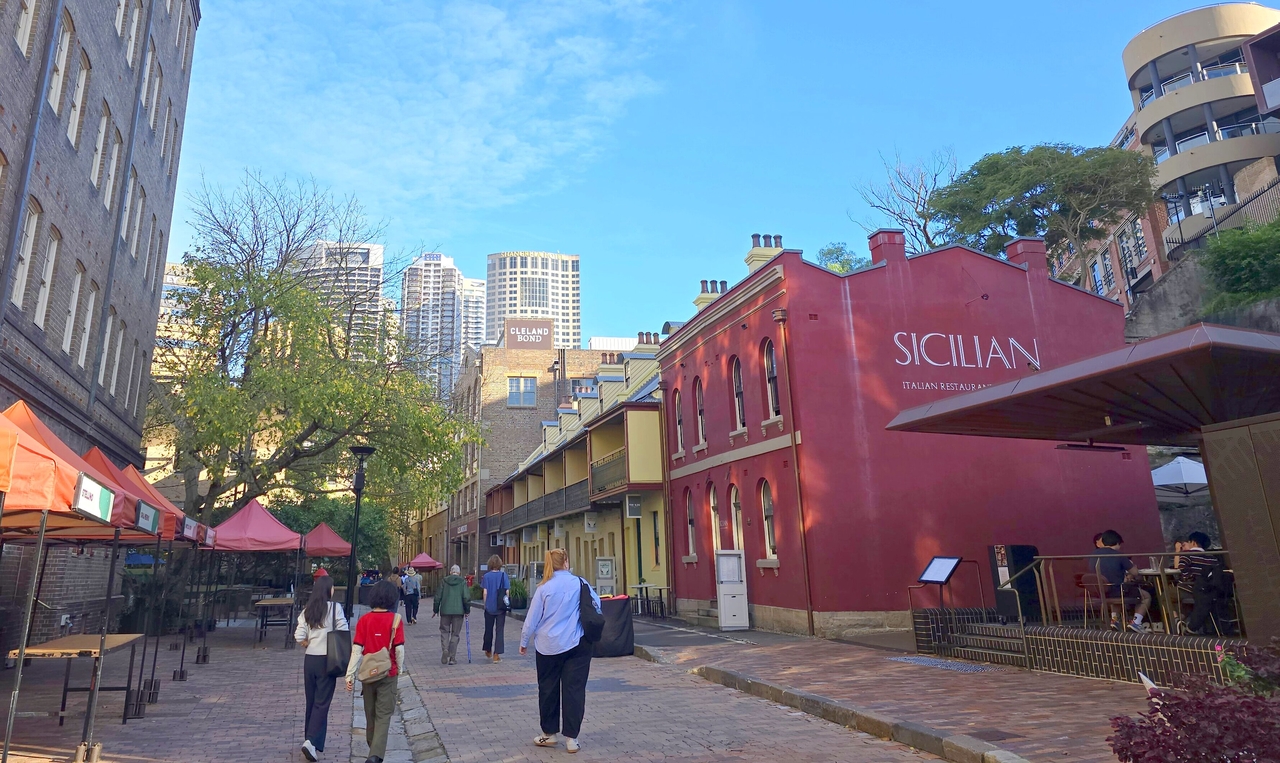
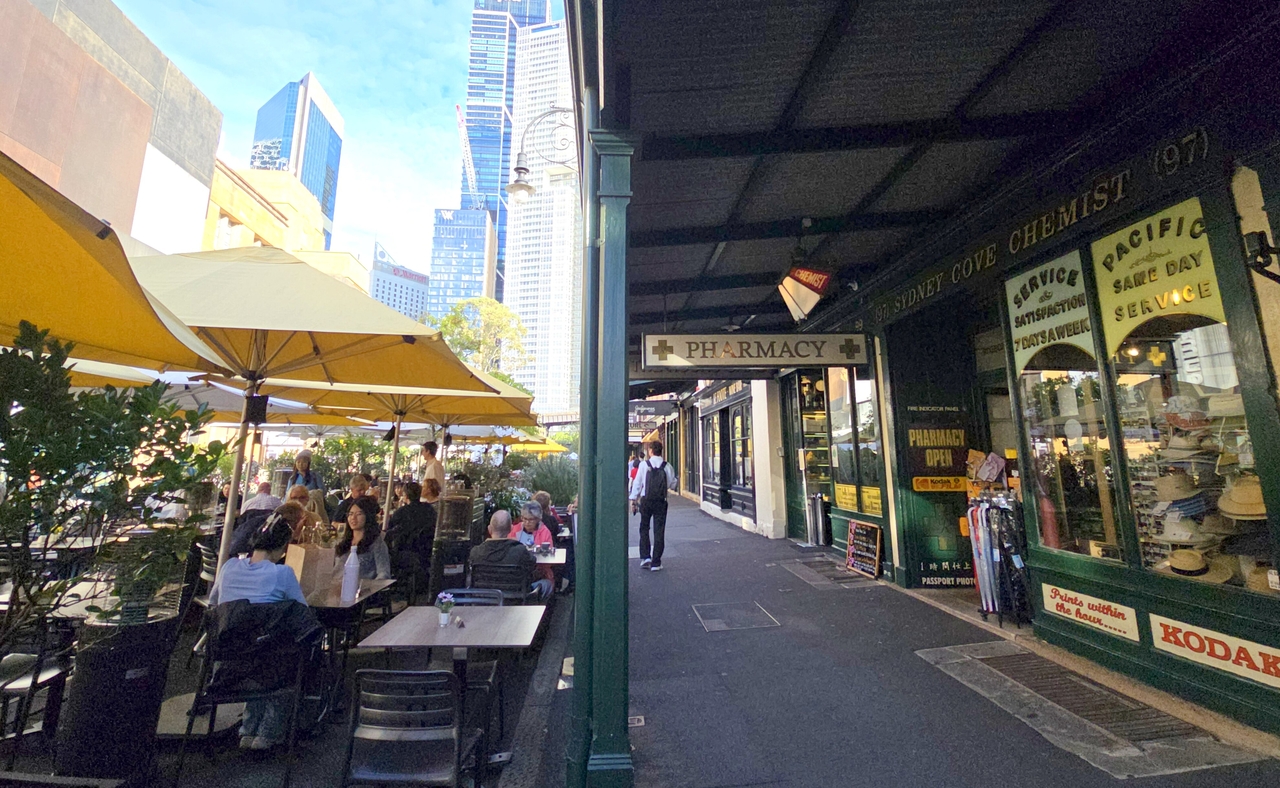
Nearby George Street is Sydney's answer to the Ikseon-dong alley district near Jongno 3-ga in Seoul. A quiet back road running north to south through the Rocks, it stretches from beneath the Harbour Bridge to the Four Seasons Hotel and is one of the hidden gems tucked behind Sydney Harbour.
It marks the edge of the earliest European settler encampments and the old fort, and today it is a cultural and arts street where pubs and rock cafes welcome travelers.
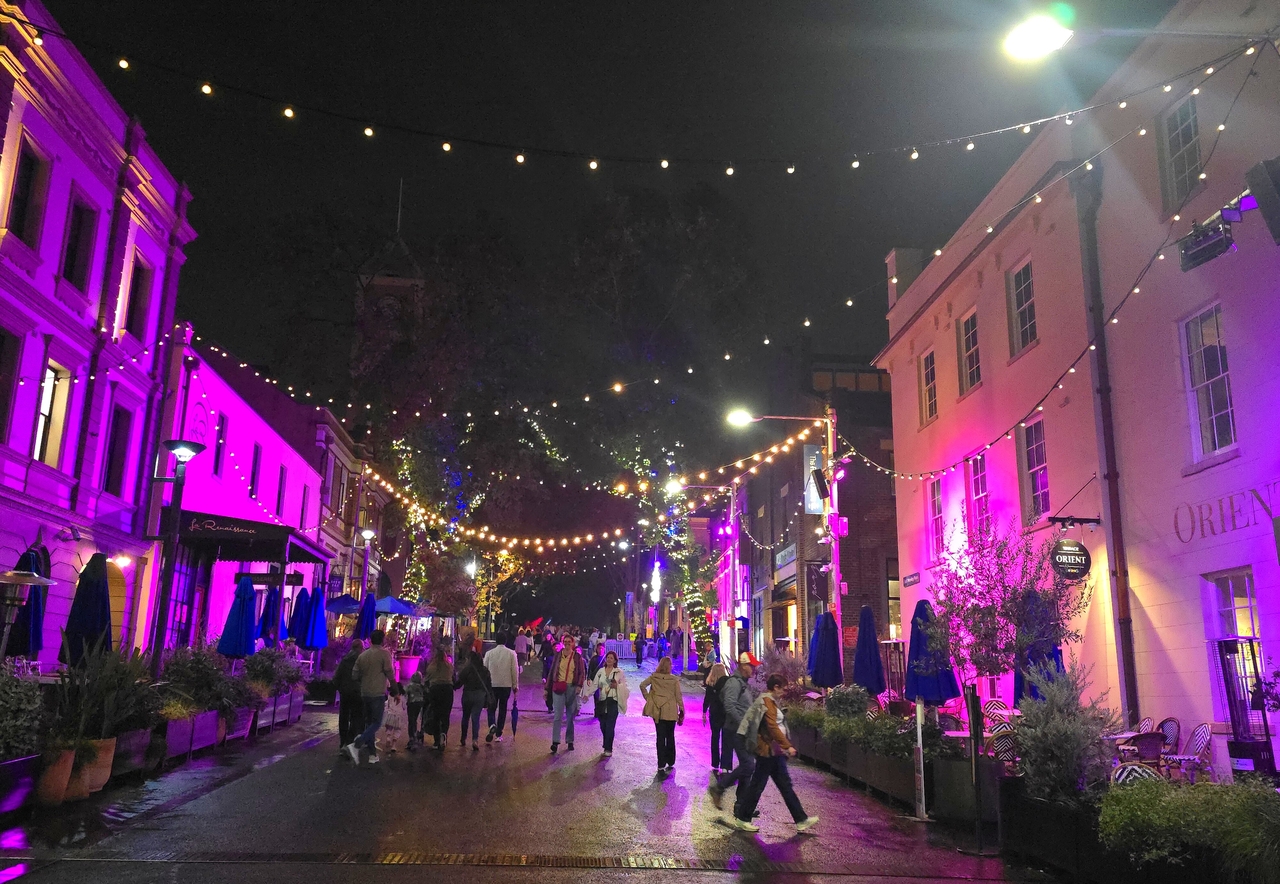
Past the underside of the Harbour Bridge, cafes, pubs and craft shops line the street, facing the back of a ballet school and a contemporary art museum.
The original workers' cottages — once the subject of heated debate over whether to demolish them — were ultimately preserved by heritage agreement and still stand today. George Street is the perfect place to stop for a drink after dinner and a stroll along Sydney Harbour.
abc@heraldcorp.com



