SBA Backs Seoul's Startup Growth Through Global Expansion and Open Innovation Initiatives; Companies in AI, Healthcare, Fintech and Robotics Lead the Charge
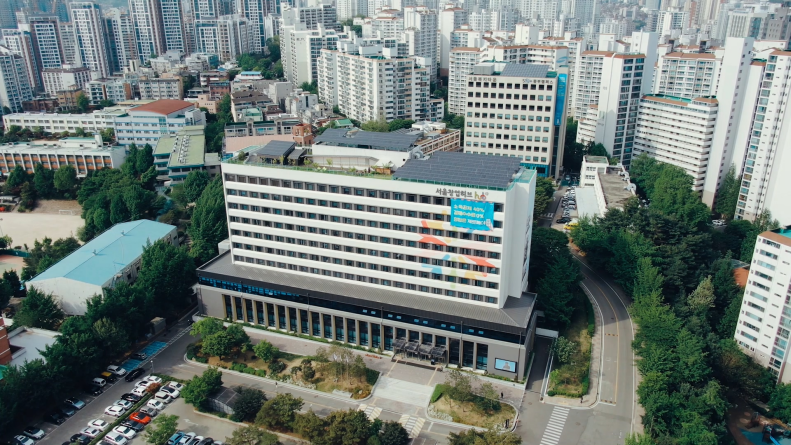
The Seoul Business Agency (SBA), led by CEO Kim Hyun-woo, says Seoul's startup ecosystem has established itself as a global innovation hub on the strength of sustained growth and job creation.
According to research by Startup Genome, a global startup ecosystem assessment organization, the combined value of startup investment and exit valuations in Seoul's ecosystem grew by more than $100 billion between 2018 and 2025, generating more than 50,000 high-value jobs in the process. Indirect employment is estimated at roughly four times that figure.
The rapid expansion of Seoul's startup ecosystem stems from competitive advantages unique to the city: talent, infrastructure and high-density concentration of innovation resources.
Seoul's strengths lie in the concentration within a single city of top-tier engineering talent, world-class broadband, mobile and payments infrastructure, strong corporate R&D capabilities, and a market with high technology adoption. Such a dense clustering of diverse innovation drivers within one city is rare anywhere in the world.
Startup Genome identified AI and big data, life sciences, advanced manufacturing and robotics, and fintech as Seoul's core strength sectors, highlighting companies that have delivered tangible results in global markets — among them Furiosa AI (AI semiconductors), Lunit (medical AI), Vuno (medical AI), Toss (fintech) and Seoul Robotics (robotic mobility).
Seoul's rise also reflects the long-term policy commitment of the Seoul Metropolitan Government and SBA, which have consistently supported the ecosystem under a sustained strategic vision.
From 2019 to 2022, the Seoul Metropolitan Government mobilized 3.6 trillion won (approximately $2.35 billion) through its Future Innovation Growth Fund, investing in 1,651 Seoul-based startups. From 2023, it has been channeling an additional 4.1 trillion won through the Seoul Vision 2030 Fund through 2026, with a further target of 4 trillion won over the four years from 2027 — injecting public capital into the ecosystem as seed funding.
SBA has put startup policy into practice on the ground through startup facility operations, growth support programs, global expansion initiatives and open innovation projects.
A robust startup ecosystem strengthens the long-term resilience of Seoul's urban economy, opens new possibilities for future generations and serves as a magnet for global investment and talent. As the AI era takes hold, Seoul is proving its capacity to reinvent itself within a rapidly reshaping global economy.
In Startup Genome's 2026 rankings, Seoul placed ninth globally, maintaining its standing among the world's top 10 startup ecosystems. The city climbed from 54th in 2018 to eighth in 2025 — a rapid ascent over seven years that has put it on par with the world's leading innovation cities.
"The strengthening of Seoul's startup ecosystem on the global stage is the result of Seoul's infrastructure, capital and talent being validated in world markets," SBA CEO Kim said. "We will spare no effort to support the sustainable growth of Seoul's startup ecosystem."
seouldream01@heraldcorp.com