
Gangnam-gu's average loan index stood at 29.44 in May
Level now lower than during Moon-era ban on mortgages above 1.5 billion won
Analysts say buyers need 1 billion to 2 billion won in cash just to enter the market
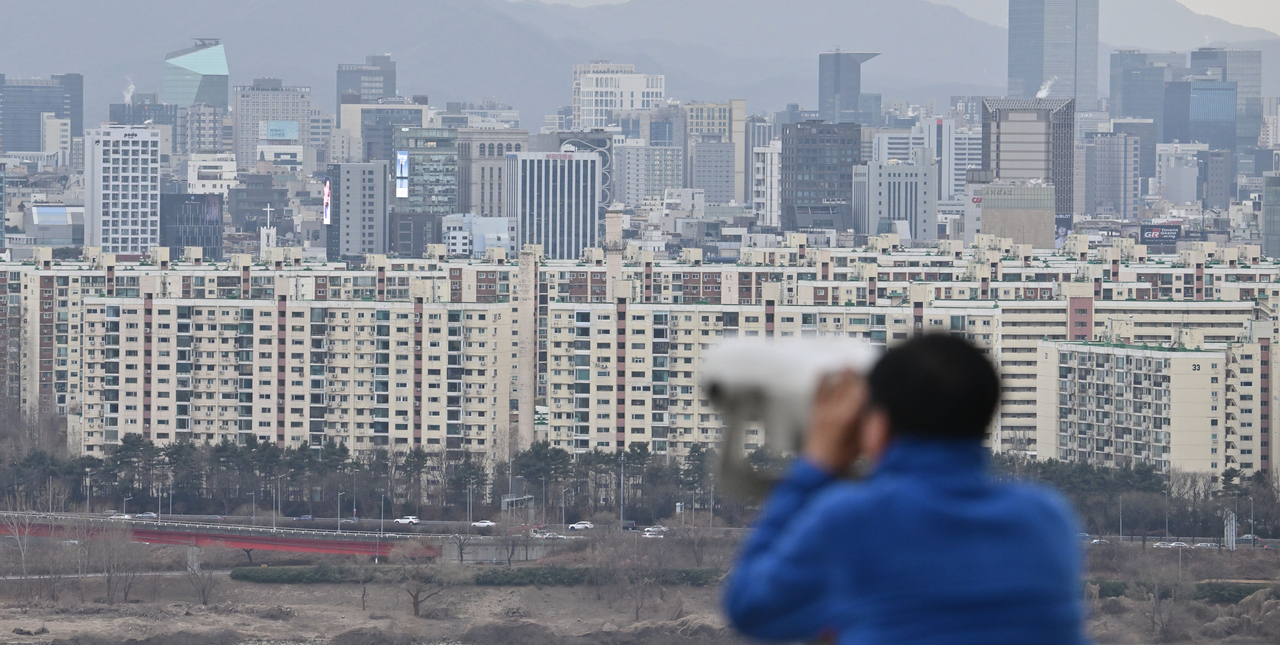
Amid tightening mortgage regulations that cap home loans on properties priced at 2.5 billion won (about $1,640,000) or more at 200 million won, the share of loan-financed purchases in Gangnam has fallen below 30%, data show. As home prices have surged while total borrowing remains constrained, analysts say the Gangnam market has effectively become the domain of cash-rich buyers.
According to the Court Registry Information Plaza, the average loan index for collective buildings — including apartments, officetels and commercial properties — in Gangnam-gu stood at 29.44 in May. The loan index measures the ratio of collateral mortgage registration to transaction price; a reading below 30 means buyers are financing less than 30 percent of the purchase price through loans.
Gangnam-gu is the only one of Seoul's 25 autonomous districts where the loan index has fallen below 30. The district's average had hovered near 40 as recently as October last year, when it stood at 39.39, before gradually declining following the Oct. 15 tightening measures — falling to 37.94 in November, 39.39 in December and 33.43 in January.
<style ref="s0">This month's reading marks an all-time low for Gangnam-gu — lower even than during the Moon Jae-in administration, when mortgages on apartments above 1.5 billion won were banned outright under the Dec. 16, 2019 measures.</style> Even with that blanket prohibition in place, Gangnam-gu's average loan index held at 43.75 in January 2020, 41.15 in February and 51.75 in March.
At the time, a significant number of properties in Gangnam were still priced below the 1.5 billion won threshold, and the debt service ratio had not yet been fully implemented. For homes under that ceiling, buyers could borrow up to the full 40 percent loan-to-value ratio regardless of income level, which kept the loan index at a relatively elevated level, experts said.
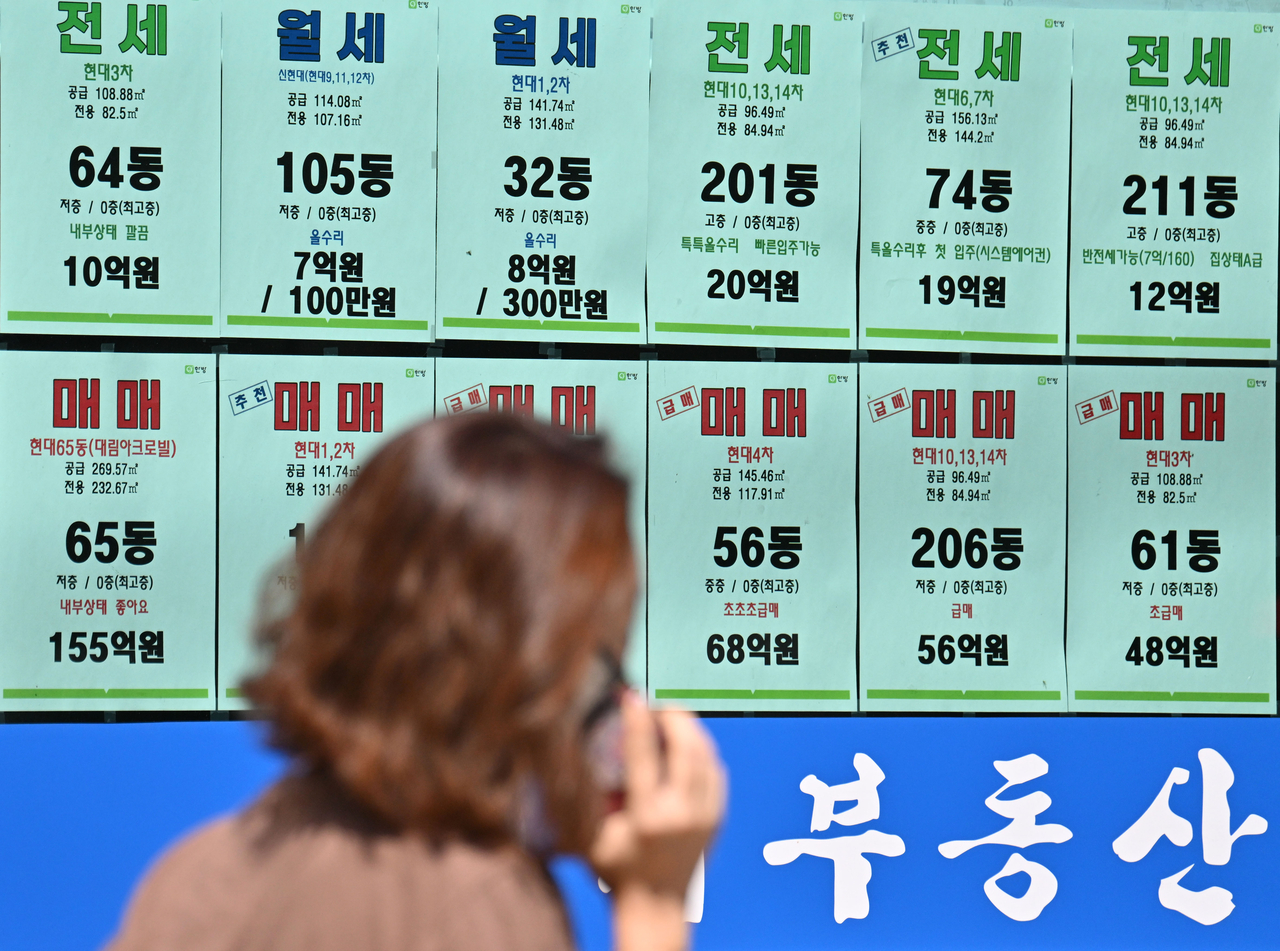
This year, however, the dynamic has reversed. Analysts say the sharp drop in Gangnam's loan share reflects the combined effect of soaring home prices and tightening lending rules. The average home price in Gangnam-gu already exceeds 3 billion won for the standard 84-square-meter exclusive use area.
According to KB Real Estate's May monthly time-series data, <style ref="s0">the average price per pyeong (1 pyeong equals 3.3 square meters) in Gangnam-gu reached 122.71 million won, putting the average price of an 84-square-meter unit at approximately 3.12 billion won. That represents a 13.9 percent increase from a year earlier, when the average stood at 2.74 billion won, and a 39.3 percent surge from two years ago, when it was 2.24 billion won.</style>
With prices rising so rapidly, nearly every property in Gangnam has been pulled into the regulatory net, with mortgage lending capped at 200 million won. On top of that, debt service ratio rules remain in force while home price growth has far outpaced wage growth, making it increasingly difficult even for high earners to buy through borrowing.
Analysts say Gangnam is becoming a market where entry is all but impossible without 1 billion to 2 billion won in cash on hand. "Home prices have risen so far while individual incomes and debt service ratio limits remain fixed, so the proportion of buyers relying overwhelmingly on cash has surged," one wealth management expert said. "The market price itself has become the barrier to entry."
hss@heraldcorp.com



